
International
France Braces for Nationwide Protests as Macron Moves to Prevent Repeat of October Riots

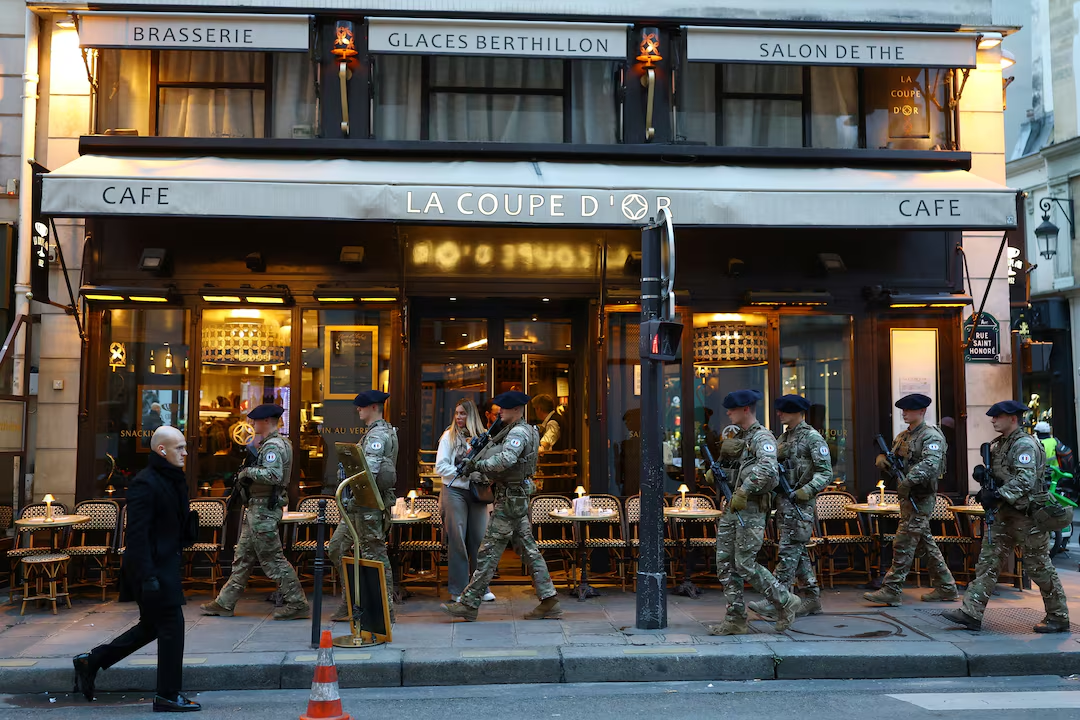
France is bracing for another major round of protests and strike action on Thursday, November 5, as trade unions, students and public-sector workers prepare to take to the streets over rising living costs, education conditions and concerns about the state of public services.
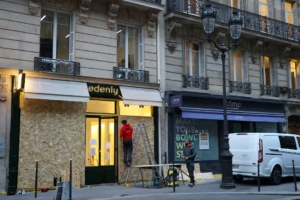
President Emmanuel Macron has convened senior security officials as his government seeks to prevent a repeat of the October 17 riots and looting, which caused widespread damage to shops and public buildings and exposed shortcomings in the country’s security response.

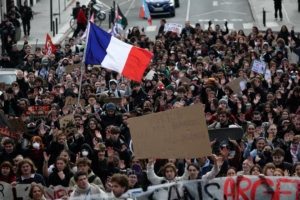
The mobilisation, called by trade unions including the General Confederation of Labour (CGT) and backed by student groups, is expected to draw hundreds of thousands of demonstrators across the country. France’s domestic intelligence service reportedly estimates that between 500,000 and 700,000 people could participate in protests outside Paris.
Authorities are preparing a nationwide deployment of approximately 70,000 police officers, while the government has warned that it will respond firmly to violence and attempts to disrupt public order.
“We are extremely vigilant because it is out of the question to relive October 17,” government spokeswoman Maud Bregeon said after a cabinet meeting on Wednesday, underscoring the administration’s concern about a repeat of the earlier unrest.
The protests have been fuelled by a range of grievances, including rising living costs, pressure on household incomes, deteriorating public services and concerns about education. Students have also raised complaints about overcrowded classrooms, inadequate school facilities, staffing shortages and uncertainty about their future opportunities.

The movement, which initially gained momentum among high school students, has widened to include trade unions and workers in several sectors. Public transport, rail services, schools and parts of the energy industry are expected to experience disruptions as workers join the strike.
France’s Education Ministry estimated that 17.5 per cent of public primary school teachers would participate in Thursday’s action, while unions warned that transport services could also be affected.
The latest mobilisation follows demonstrations on October 31, which were largely peaceful during the day but ended with isolated clashes in Paris, Lyon, Toulouse and Marseille. Police used tear gas and other crowd-control measures in some locations as officers confronted groups involved in disturbances.
Those demonstrations came two weeks after the October 17 unrest, when rioting and looting caught security forces off guard and left businesses and public buildings damaged in several cities. The scale of the violence intensified criticism of the government’s handling of the growing social discontent.

The government has defended its security measures and said allegations of police misconduct will be investigated. However, restrictions on demonstrations and the heavy deployment of security personnel have drawn criticism from trade unions and civil liberties groups, which argue that peaceful protest must remain protected.
The unrest is also unfolding against a difficult political and economic backdrop. France is approaching its 2027 presidential election, while the government faces pressure to control public spending amid mounting debt and disagreement over its proposed budget. Opposition parties have sought to turn public frustration into a political challenge for Macron’s administration.
Although demonstrations in recent weeks have often remained peaceful, the government is concerned that the combination of widespread anger, strike action and the possibility of clashes could further destabilise the country.
Thursday’s protests are therefore expected to serve as another major test of Macron’s ability to contain the unrest while addressing the economic and social concerns driving the movement.