
World News
Pete Hegseth Signals Calmer US Messaging on China, Stresses Pacific Deterrence

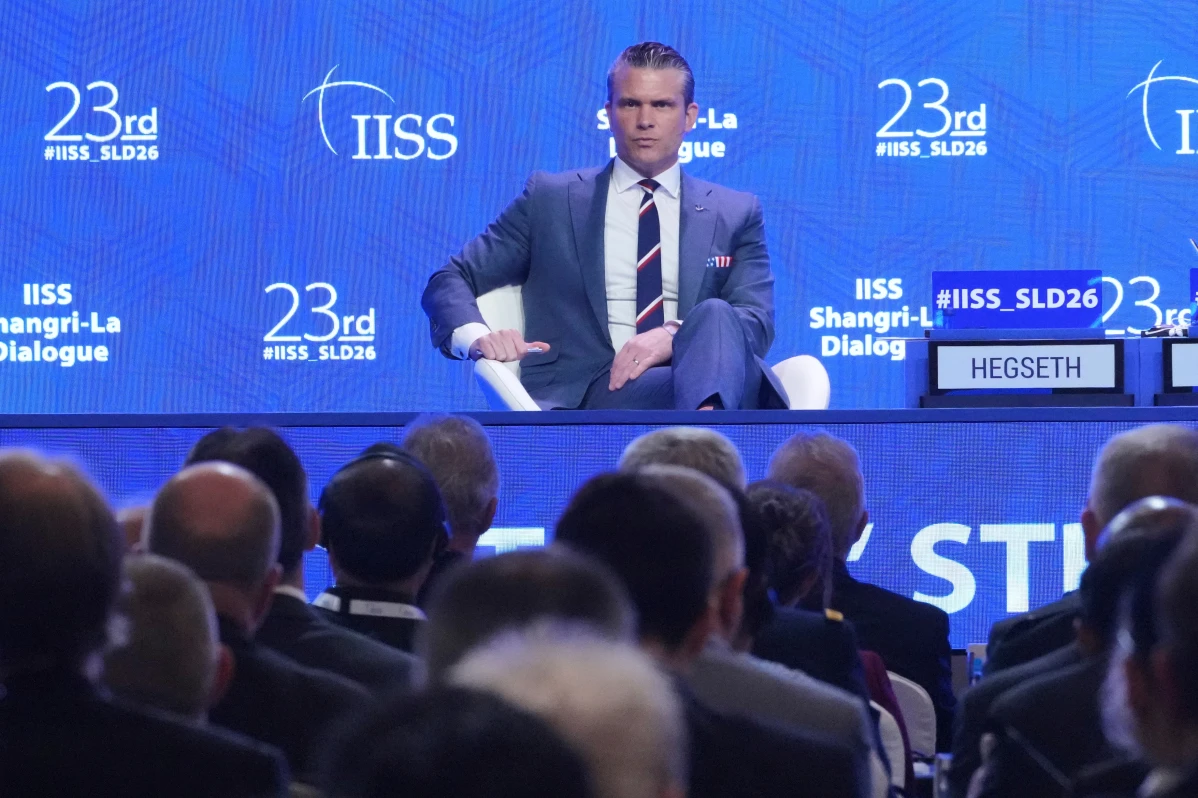
The United States has slightly toned down recent warnings regarding China’s growing military posture, while still maintaining that its long-term commitment to security in the Indo-Pacific region remains unchanged.


Speaking at a security forum and in subsequent media remarks, U.S. defense commentator and political figure Pete Hegseth emphasized that Washington is not seeking confrontation, but will continue to prioritize “deterrence, readiness, and strategic balance” in the Pacific.
His comments come amid heightened global attention on U.S.–China relations, particularly over Taiwan, South China Sea military activity, and expanding Chinese naval presence in contested waters.
According to discussions across U.S. defense and policy circles, recent messaging reflects a more calibrated approach, moving away from strongly worded warnings while still underscoring military preparedness.
Officials say the adjustment in tone is intended to reduce diplomatic tension, especially as backchannel communications between Washington and Beijing continue on trade, security, and regional stability concerns.
However, analysts note that the underlying policy remains consistent: the United States continues to view the Indo-Pacific as a critical strategic theatre and intends to maintain a strong military presence through alliances with regional partners.

U.S. officials reiterated that commitments to allies such as Japan, South Korea, the Philippines, and Australia remain firm. Joint military exercises, intelligence sharing, and naval patrols are expected to continue as part of broader deterrence efforts.
Defense observers say the recalibrated messaging is aimed at striking a balance between deterrence and diplomacy, avoiding escalation while still signaling capability and readiness.

Beijing has consistently criticized increased U.S. military activity in the region, describing it as destabilizing. In contrast, Washington and its allies argue that their presence is necessary to maintain freedom of navigation and regional stability.
Despite the softened rhetoric, security analysts caution that strategic competition between both powers remains a defining feature of global geopolitics, particularly in the Indo-Pacific.