
World News
Sources Claim IRGC Created Hidden Cells in Iraq to Pressure Gulf Neighbors

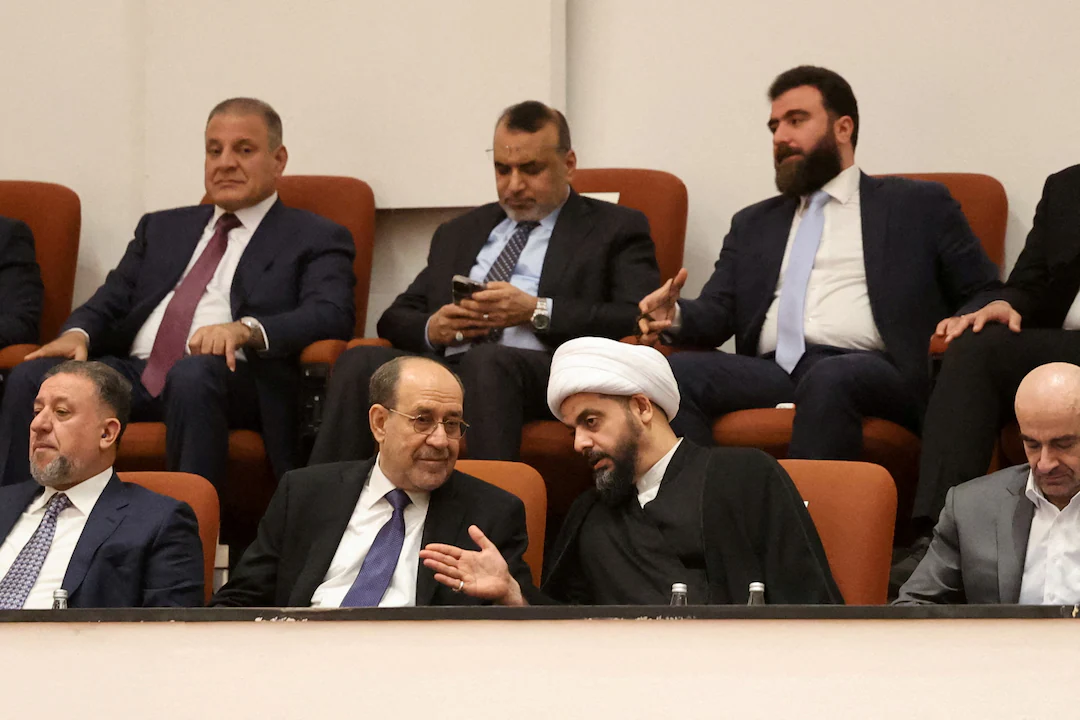
Iran’s Islamic Revolutionary Guard Corps (IRGC) has allegedly established covert operational cells inside Iraq designed to be activated in the event of escalating tensions with Gulf Arab states, according to security and intelligence sources cited in international reports.
The claims suggest that the network was built over time through allied militias and local intermediaries, allowing Iran to maintain a discreet operational presence close to strategic Gulf targets. The alleged objective, according to the sources, is to provide Tehran with rapid-response capabilities should regional conflict intensify.


The report further indicates that these cells are not officially acknowledged structures but are instead embedded within existing paramilitary groups operating in Iraq. These groups are widely believed to have varying degrees of alignment with Iran, particularly in the post-2014 security landscape that followed the rise of ISIS.
Iraq, which remains a key arena for competing regional and international interests, has long hosted a complex network of armed groups, some of which maintain political influence alongside their military roles. Analysts say this environment has made it difficult to fully separate state authority from militia activity.
The allegations come amid continued tensions between Iran and several Gulf countries, including concerns over missile activity, maritime security in the Gulf waters, and proxy conflicts across the region.
Iran has consistently denied accusations that it directs or orchestrates militant operations in neighbouring countries, arguing instead that its regional allies act independently in response to local security threats and political conditions.
Neither Iranian officials nor Iraqi authorities have publicly confirmed the existence of such covert cells, and the claims have not been independently verified. However, regional observers say the report reflects broader fears among Gulf states about Iran’s strategic depth in neighbouring Iraq and Syria.
Security analysts note that if such networks exist, they would significantly enhance Iran’s ability to project influence across the Gulf region without direct military engagement, further complicating already fragile geopolitical dynamics.
The development adds to ongoing concerns about escalation risks in the Middle East, where multiple conflicts and proxy confrontations continue to overlap, drawing in state and non-state actors alike.
Further independent verification of the claims is still pending, and officials across the region have not issued formal responses at the time of reporting.