
World News
U.S. Pushes New Ceasefire Plan to Reduce Israel-Lebanon Tensions

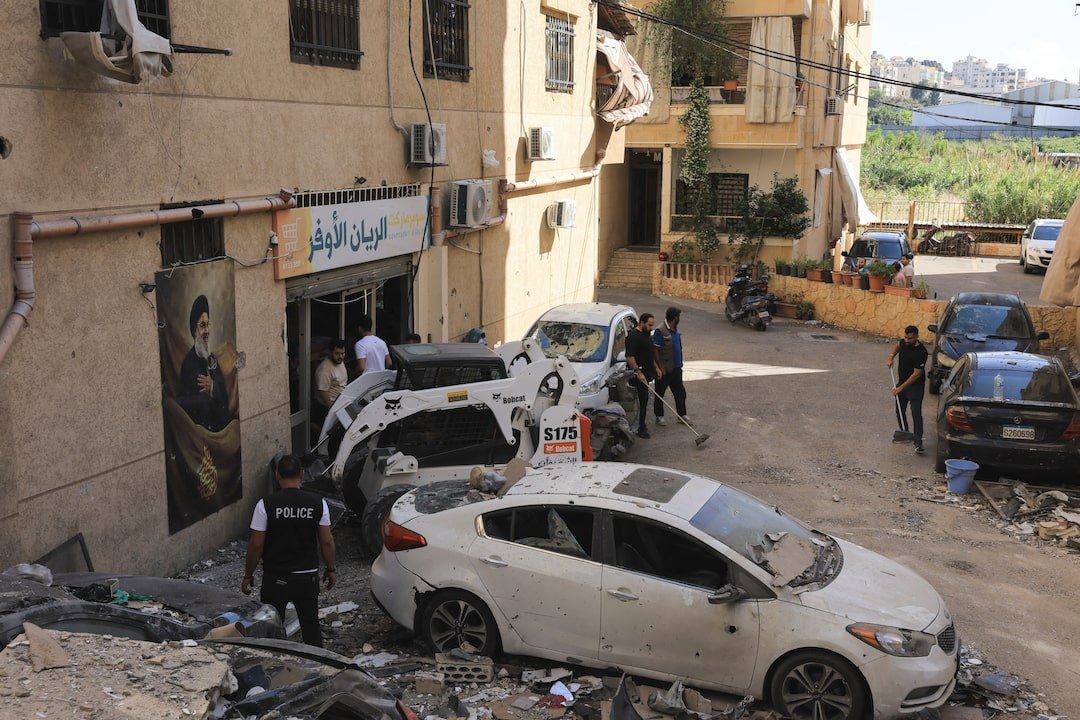
The United States has proposed a new diplomatic plan aimed at easing tensions between Israel and Lebanon as fighting between Israeli forces and the Iran-backed Hezbollah group continues to escalate.


According to U.S. officials, Secretary of State Marco Rubio held discussions with Lebanese President Joseph Aoun and Israeli Prime Minister Benjamin Netanyahu as part of efforts to revive ceasefire negotiations and prevent a broader regional conflict.
Under the proposed framework, Hezbollah would halt all attacks on Israel, while Israel would agree not to expand military operations into Beirut. U.S. officials said the arrangement is intended to create space for a “gradual de-escalation” and eventually lead to a broader cessation of hostilities.
Lebanese President Aoun reportedly backed the proposal and sought to advance negotiations. However, Lebanese Parliament Speaker Nabih Berri insisted that any ceasefire would require Israel to stop launching attacks first, reflecting the challenges facing ongoing diplomatic efforts.
The proposal comes as Israel continues its military operations in southern Lebanon. Israeli forces recently captured the historic Beaufort Castle and nearby strategic positions following one of the heaviest rounds of Hezbollah rocket fire into northern Israel since the April ceasefire agreement. The fighting has led to school closures, evacuation orders and growing fears of a wider conflict.
Israeli Prime Minister Netanyahu has ordered troops to move deeper into Lebanese territory despite the ceasefire announced more than six weeks ago. Israeli officials argue that military operations are necessary to prevent further attacks from Hezbollah and secure northern communities.
Meanwhile, international concern continues to grow. European leaders, including French President Emmanuel Macron, have criticized the latest escalation and called for an immediate halt to the violence. France has also pushed for emergency diplomatic discussions at the United Nations over the worsening situation.
Analysts say the success of the U.S. proposal will depend largely on whether both Israel and Hezbollah are willing to make concessions. With military operations continuing on both sides of the border, diplomats warn that the window for a negotiated settlement may be narrowing.
The conflict has already displaced hundreds of thousands of people and raised concerns that renewed fighting between Israel and Hezbollah could further destabilize the Middle East at a time when tensions involving Iran and regional powers remain high.