
World News
Oil Prices Jump as Hostilities Flare in Iran War and Peace Talks Remain Deadlocked

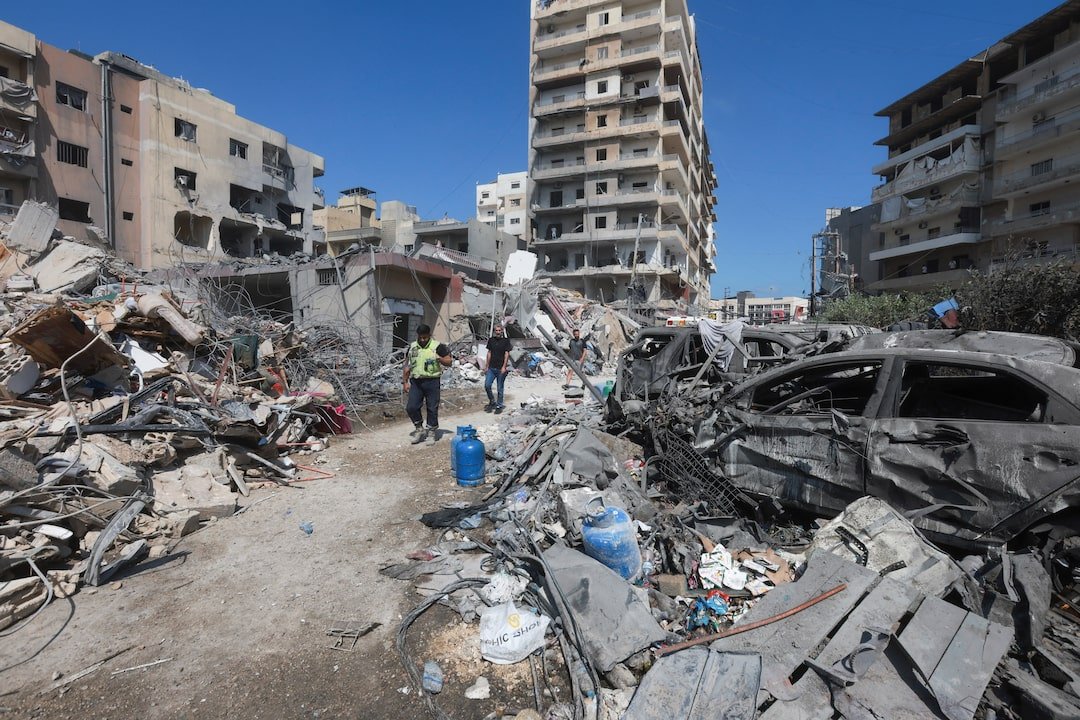
Oil prices climbed on Wednesday as renewed military exchanges between Iran and the United States heightened concerns over energy supplies from the Middle East, while diplomatic efforts to end the conflict appeared to have stalled. Brent crude and U.S. West Texas Intermediate (WTI) both rose by more than 1%, extending gains recorded earlier in the week.
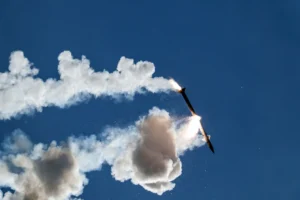
The latest escalation followed reports that Iran launched missile and drone attacks targeting Bahrain, Kuwait and other Gulf locations hosting U.S. military assets. According to U.S. Central Command, several missiles either failed in flight or were intercepted, while American forces also downed drones aimed at civilian vessels and military facilities.
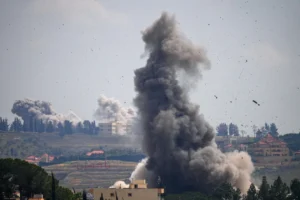
In response, U.S. forces carried out strikes on Iranian targets near Qeshm Island, a strategic location close to the Strait of Hormuz. Iranian state media said the attacks were retaliation for earlier U.S. military actions in the region, while Washington described its operations as defensive measures.
The renewed fighting comes despite ongoing efforts to negotiate a formal agreement to halt the conflict, which has been raging for more than three months. Although both sides previously indicated that a tentative framework for peace had been reached, negotiations have since made little progress, with reports suggesting direct communications between Tehran and Washington have largely ceased.
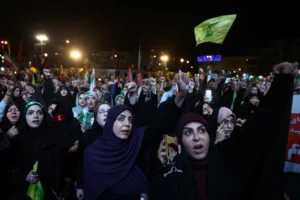
President Donald Trump has maintained that discussions are continuing and that a deal remains possible. However, Iranian media have reported growing frustration over sanctions, regional security issues and the continued closure of key shipping routes.
Energy markets reacted swiftly to the latest developments. Analysts said traders remain concerned about the security of the Strait of Hormuz, one of the world’s most important oil transit routes. Continued disruptions in the waterway and uncertainty over future negotiations have added a geopolitical risk premium to crude prices.
The conflict has already had significant economic consequences, affecting global supply chains, energy markets and business confidence. International agencies and economists have warned that a prolonged war could fuel inflation, weaken economic growth and further strain global trade.
With both military activity and diplomatic tensions intensifying, investors are closely watching developments in the Gulf region, where any further escalation could have far-reaching implications for global energy supplies and financial markets.