
Africa
East Africa Seeks to Reduce Okrika Imports Amid Economic Concerns

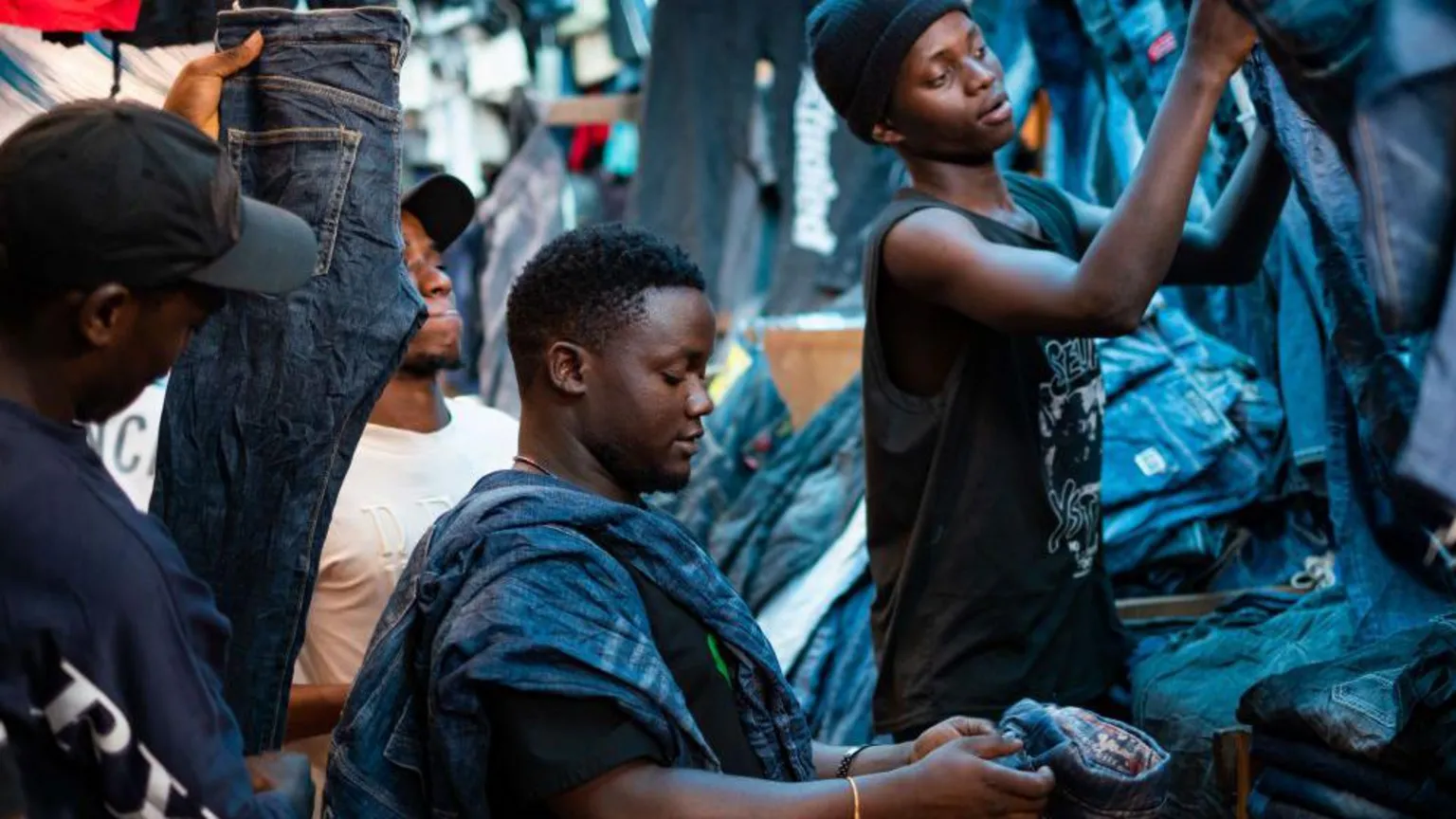
Several East African countries are intensifying efforts to reduce the importation of second-hand clothes, commonly known across Africa as “okrika” or “mitumba,” in a move aimed at reviving local textile and garment industries. However, analysts say the plan faces significant economic and practical challenges.
Countries within the East African Community (EAC) have for years debated restrictions on used clothing imports, arguing that the massive influx of cheaper second-hand garments has weakened domestic manufacturing and reduced opportunities for local producers.
Supporters of the policy believe limiting imports could boost local factories, create jobs, and strengthen Africa’s fashion and textile sector. Nations like Rwanda have already taken steps to discourage second-hand clothing imports as part of broader industrialisation efforts.
Despite the ambitions, experts warn that banning or heavily restricting used clothing may not immediately revive local industries. Research and trade analysts argue that East African consumers largely depend on affordable second-hand garments due to high poverty levels and the rising cost of living.
Analysts also note that local textile industries in many African countries currently struggle with high production costs, inadequate infrastructure, inconsistent electricity supply, and competition from cheaper imported new clothing, especially from Asia.
Some reports further suggest that previous attempts to ban used clothing in parts of Africa led to increased smuggling and informal trade rather than a complete end to imports.
The debate continues to divide policymakers, traders, manufacturers, and consumers across the region, as governments attempt to balance industrial growth with affordability for ordinary citizens.