
General News
NATIONAL SECURITY ARCHITECTURE REVIEW TAKES CENTER STAGE AS TINUBU, LAWMAKERS PUSH FOR REFORMS

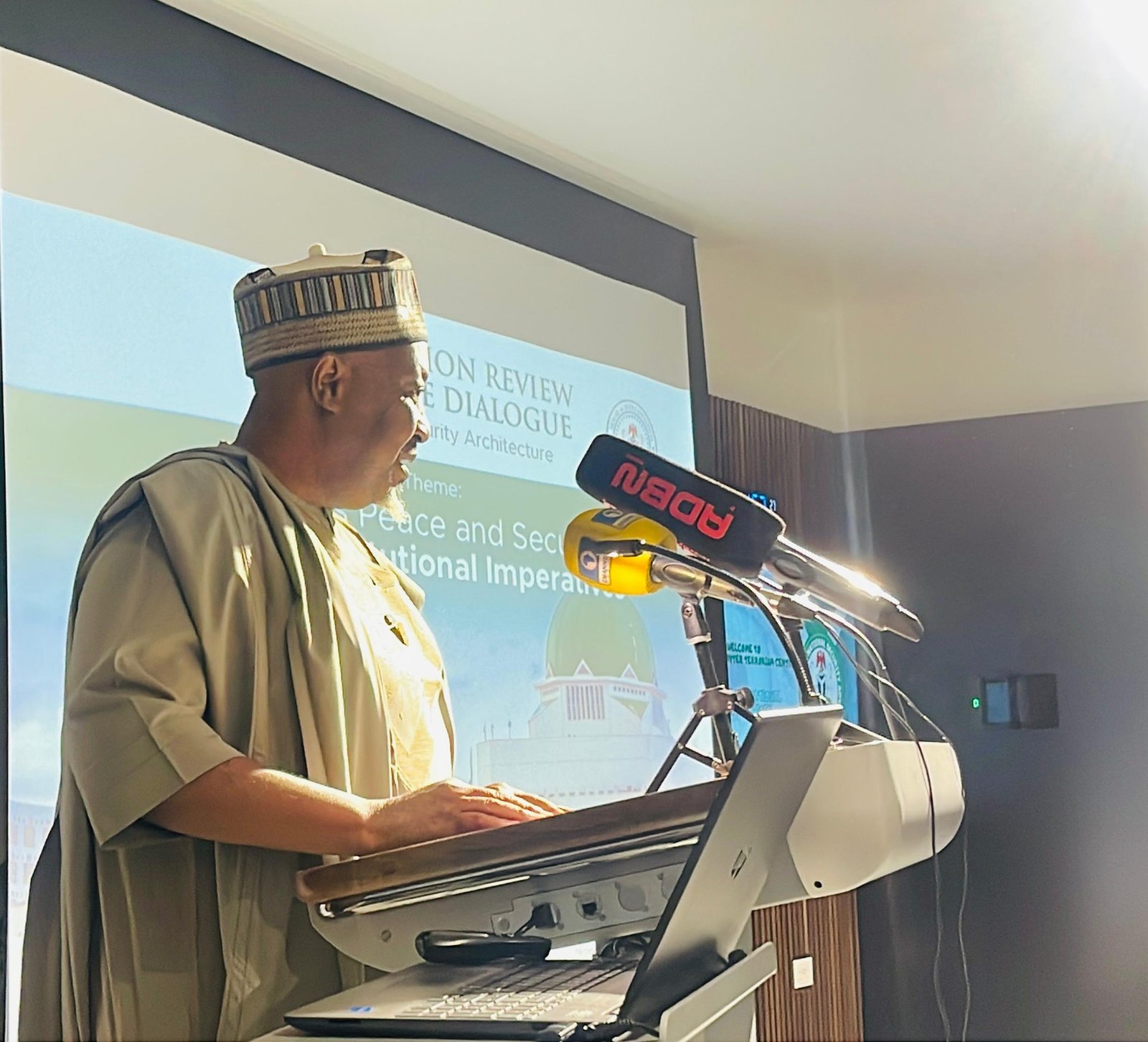
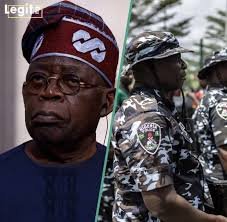
President Bola Ahmed Tinubu has called for a sweeping overhaul of Nigeria’s national security architecture, emphasizing the need for a robust legal framework to enhance collaboration and intelligence sharing among security agencies. Represented by Minister of Defence, Mohammed Badaru Abubakar, Tinubu made the remarks during the Constitution Review Legislative Dialogue on National Security Architecture in Abuja.
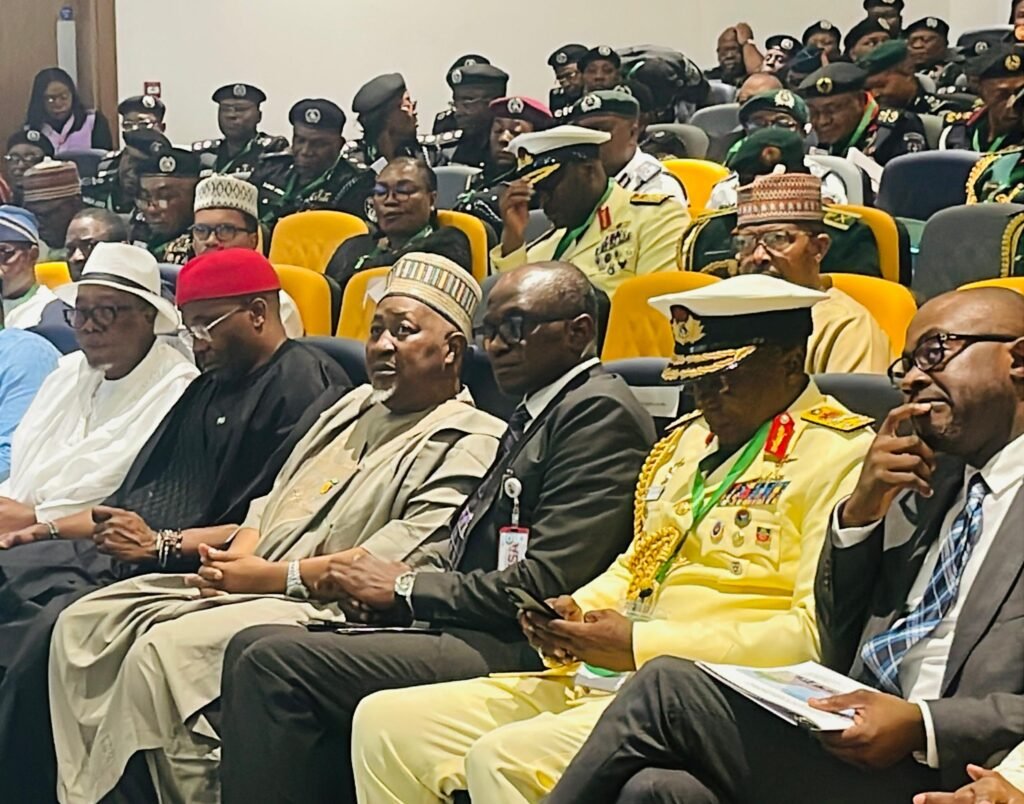
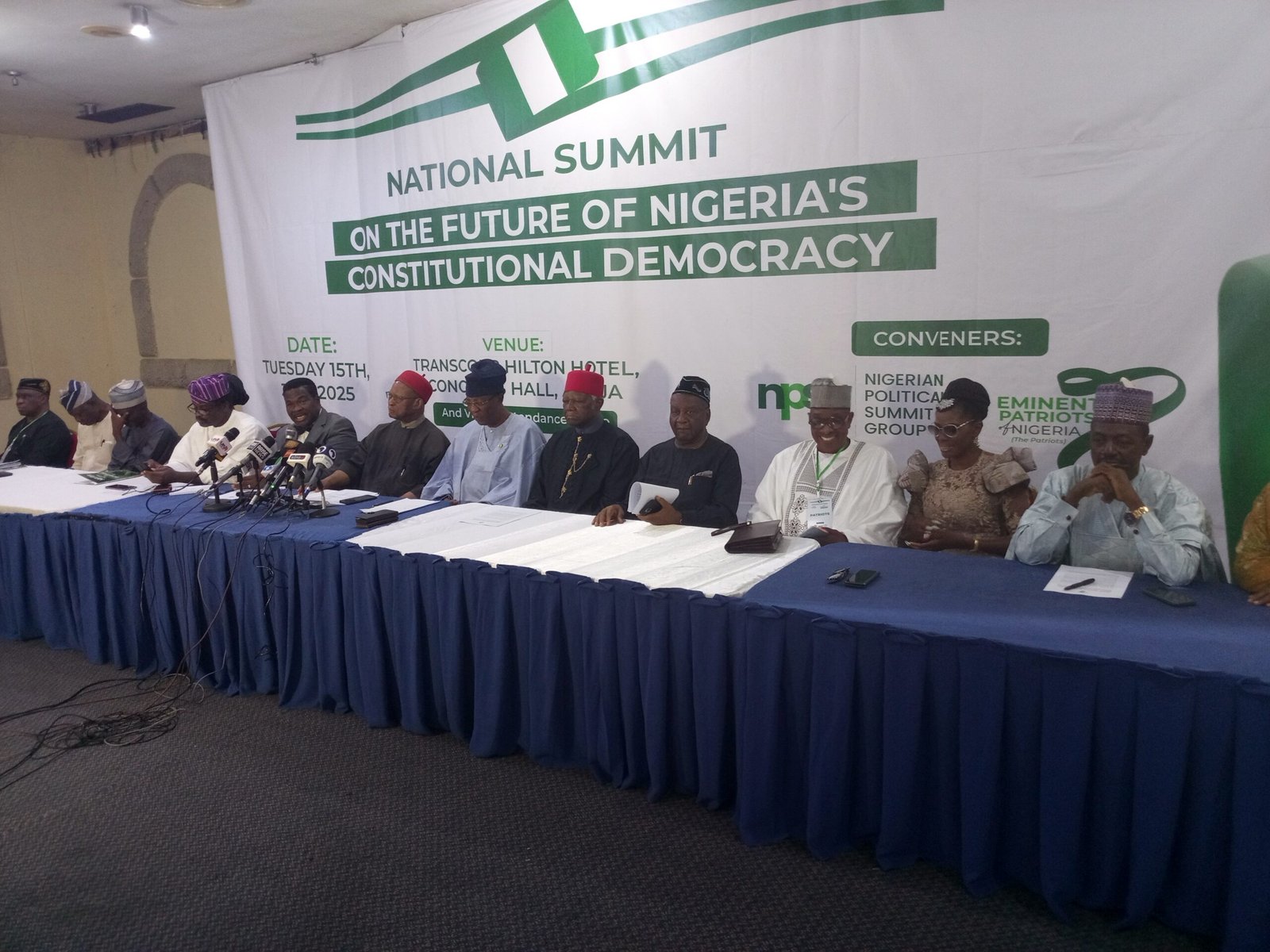
The high-level dialogue, themed “Nigeria’s Peace and Security: The Constitutional Imperatives,” brought together top security officials, legal and policy experts, and lawmakers to discuss constitutional reforms. Tinubu noted that the nation’s constitution has served as the bedrock of democracy, but the pace of changes in technology and security threats has outstripped the capacity of some constitutional provisions.
“The time has come to align Nigeria’s security and structure with present-day realities,” Tinubu said. “Our national experience has shown that neither centralisation nor fragmentation alone can secure the vast and diverse nation.” He highlighted various threats, including terrorism, banditry, farmer-herder clashes, and separatist agitations, which transcend the capacity of any single agency.
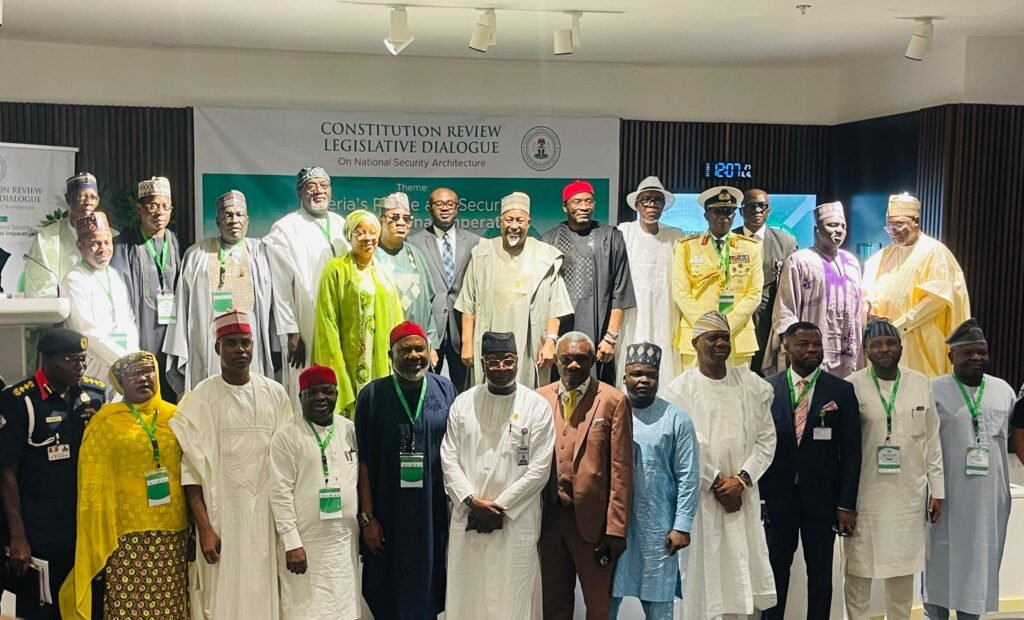
The National Security Adviser, Mallam Nuhu Ribadu, emphasized that security and constitutional order are inseparable, and a resilient, inclusive, and forward-looking constitution is essential for fostering national unity and addressing the root causes of insecurity. “Security is not just about boots on the ground or advanced systems,” Ribadu said. “It’s about the strength of our laws, the clarity it brings, the power it confers, and the protection it guarantees.”
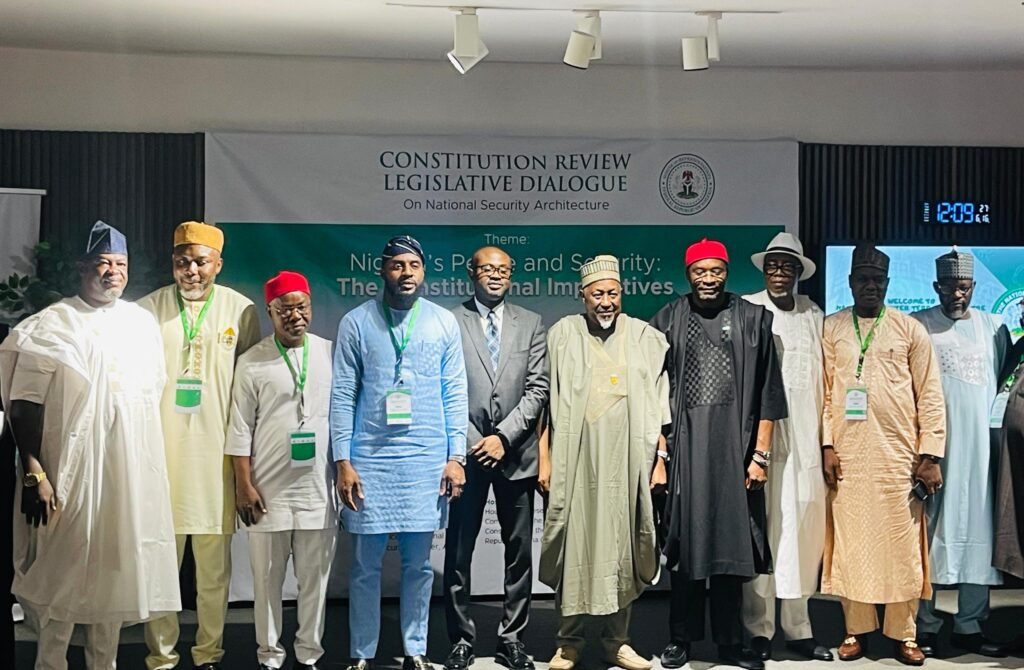
Chief of Defence Staff Gen. Christopher Musa and Inspector-General of Police Kayode Egbetokun also advocated for urgent legal and constitutional reforms to address emerging threats. Musa proposed key reforms, including amending the Armed Forces Act and relevant constitutional provisions, establishing field and standing courts-martial, and empowering the military to investigate and detain suspects during internal operations.
However, Egbetokun and the Conference of Speakers of State Houses of Assembly expressed divergent views on the creation of state police. While Egbetokun argued that the Nigerian Police Force should be strengthened and better funded instead of creating state police structures, the Conference of Speakers’ Chairman, Debo Ogundoyin, called for a multi-layered policing model, including state police to enhance local security responsiveness.





The Economic Community of West African States (ECOWAS) has introduced an urgent, coordinated strategy to safeguard food security across West Africa and the Sahel, as global economic disruptions and rising oil prices continue to threaten agricultural production.
The decision followed an extraordinary virtual meeting of ECOWAS Ministers of Agriculture held on March 23, 2026, where regional leaders assessed the growing risks to food systems.
The high-level meeting, convened by the ECOWAS Commission through its Department of Economic Affairs and Agriculture under Commissioner Kalilou Sylla, brought together key regional institutions, development partners, and financial stakeholders.
Participants—including representatives from the West African Economic and Monetary Union and the Permanent Inter-State Committee for Drought Control in the Sahel—reviewed the impact of rising fertiliser costs, driven by global market volatility and increasing energy prices, on agricultural productivity across the region.
Deliberations resulted in the adoption of a medium- to long-term operational framework aimed at strengthening food sovereignty and building resilience within regional food systems.
Key measures outlined in the plan include the immediate establishment of regional agreements to secure strategic fertiliser supplies, as well as the creation of emergency reserves to cushion the effects of future price shocks.
The ministers also approved the introduction of liquidity swap mechanisms through central banks to address foreign exchange constraints faced by importers—an intervention expected to improve access to critical agricultural inputs.
“Our collective response underscores the urgency of safeguarding food security in the face of external shocks,” Sylla said, noting that enhanced regional coordination and targeted interventions would help sustain agricultural production and protect vulnerable populations.
The initiative highlights ECOWAS’ commitment to deepening regional cooperation and implementing sustainable solutions to emerging threats to food security across West Africa and the Sahel.
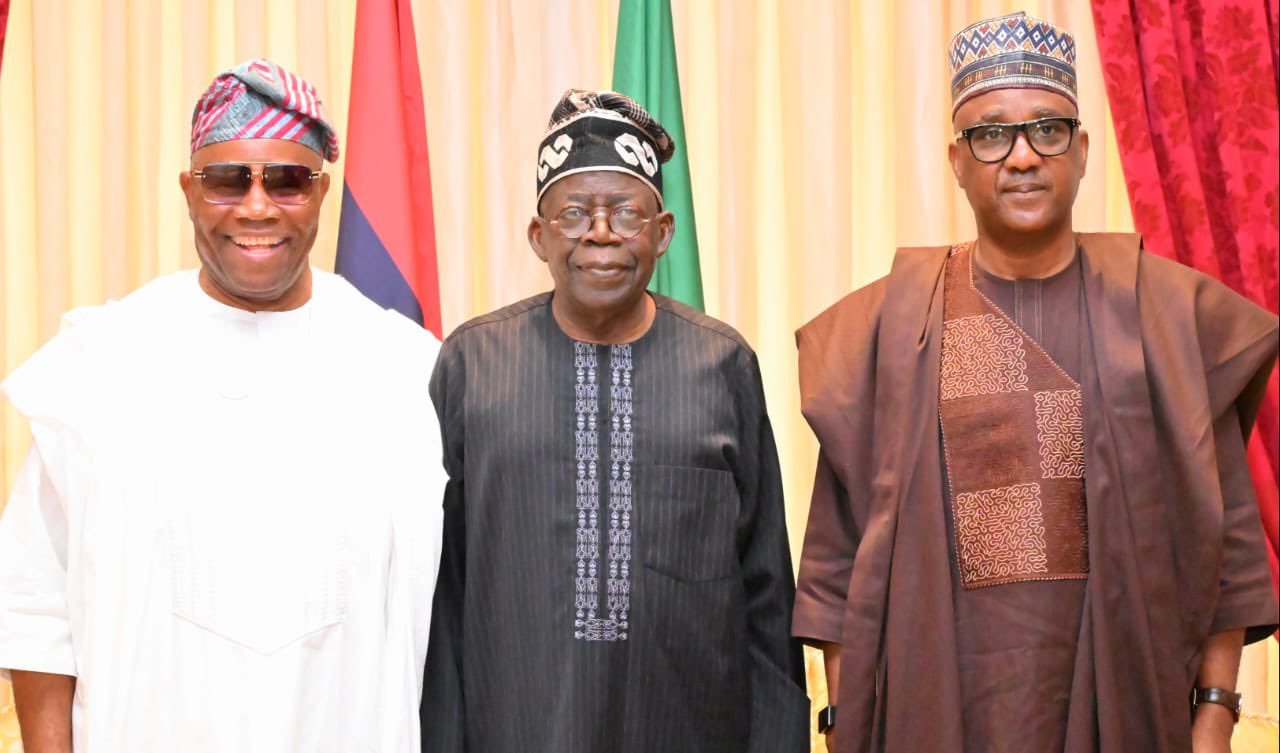
President of the Senate, Godswill Akpabio, and Speaker of the House of Representatives, Tajudeen Abbas, on Monday paid a Sallah homage to President Bola Ahmed Tinubu in Lagos.
The visit formed part of activities marking the Sallah celebrations, as top government officials and political leaders paid courtesy calls to the President.
During the meeting, President Tinubu also received members of the Lagos State Governor’s Advisory Council, a key political body in Lagos State.
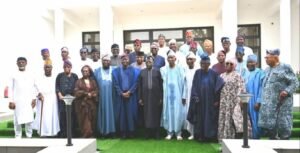
Lagos State Governor’s Advisory Council
The engagements provided an opportunity for discussions on national issues and strengthened ties between the executive and legislative arms of government.
The Sallah homage is a long-standing tradition in Nigeria, where political leaders and stakeholders visit the President and other top officials during major Islamic festivities.

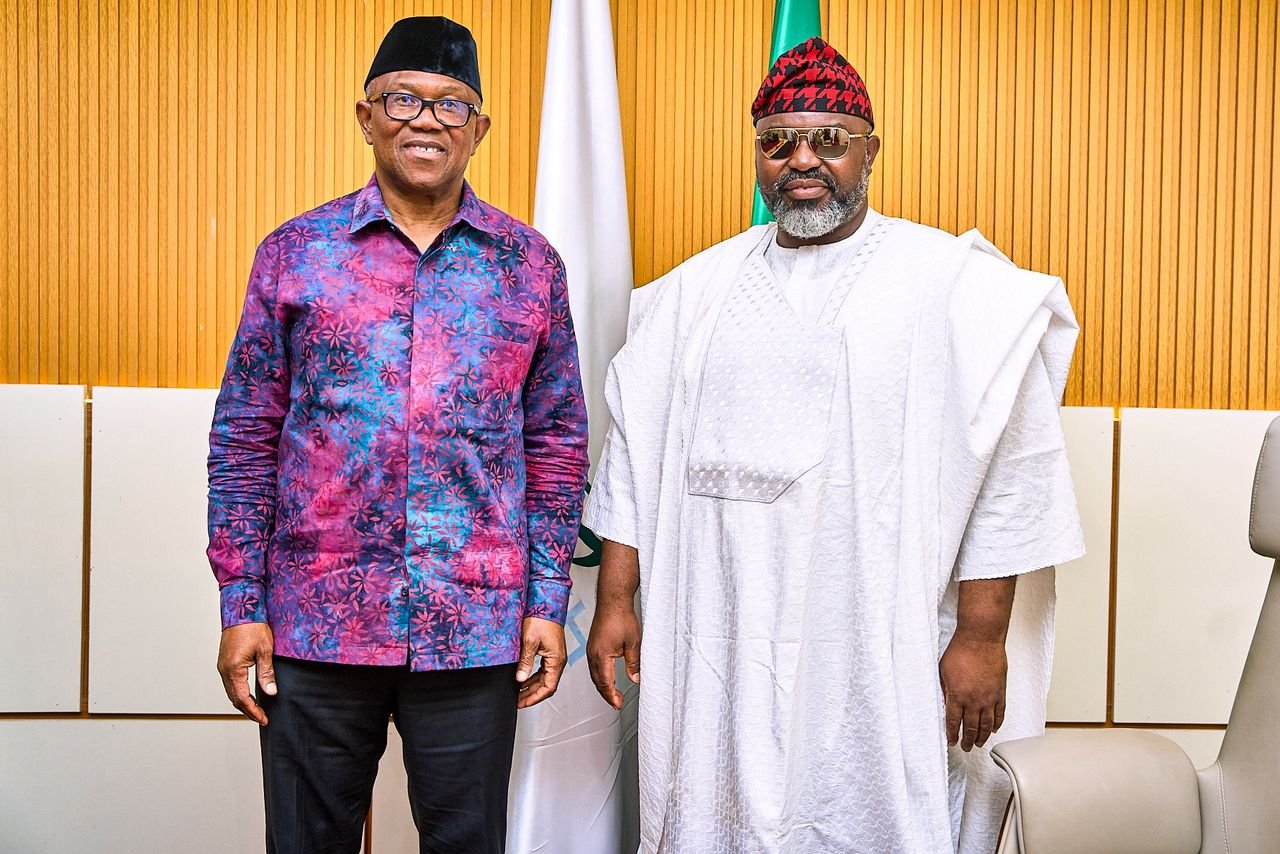
Former presidential candidate Peter Obi has expressed concern over the reported arrest of a Kaduna-based Islamic cleric, Sheikh Ahmad Tijjani Umar, describing the development as a threat to Nigeria’s democratic principles.
In a statement issued on Monday, Obi said he was informed that the cleric was arrested by authorities shortly after hosting him in Kaduna on Sunday. He described the situation as “deeply troubling,” warning that it reflects a growing pattern of intimidation and suppression of dissenting voices in the country.
Obi noted that such actions, if confirmed, undermine fundamental rights, including freedom of speech and movement, which he said are essential pillars of any democratic society.
He further stressed that harassment or persecution of citizens based on perceived political affiliations must not be tolerated, urging the government to uphold the rule of law in its dealings with Nigerians.
“This country must defend freedom and free speech, which are the hallmarks of every democratic society,” Obi stated, adding that suppression and intimidation of dissent have no place in a functioning democracy.
The former Anambra State governor called on authorities and all relevant actors to refrain from actions capable of weakening the nation’s already fragile democratic system.
As of the time of filing this report, there has been no official confirmation from security agencies regarding the alleged arrest.