
Society
WIKE DENIES BEING IGBO, SAYS IKWERRE PEOPLE ARE DISTINCT FROM IGBOS

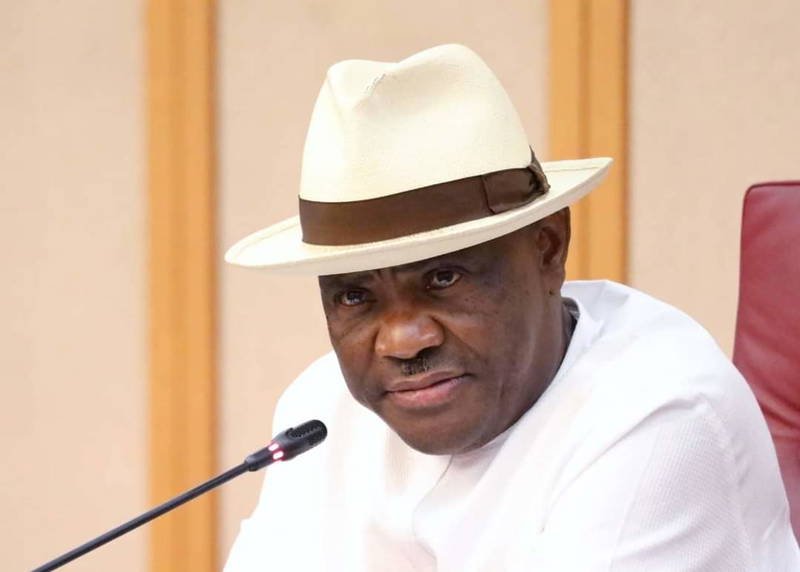
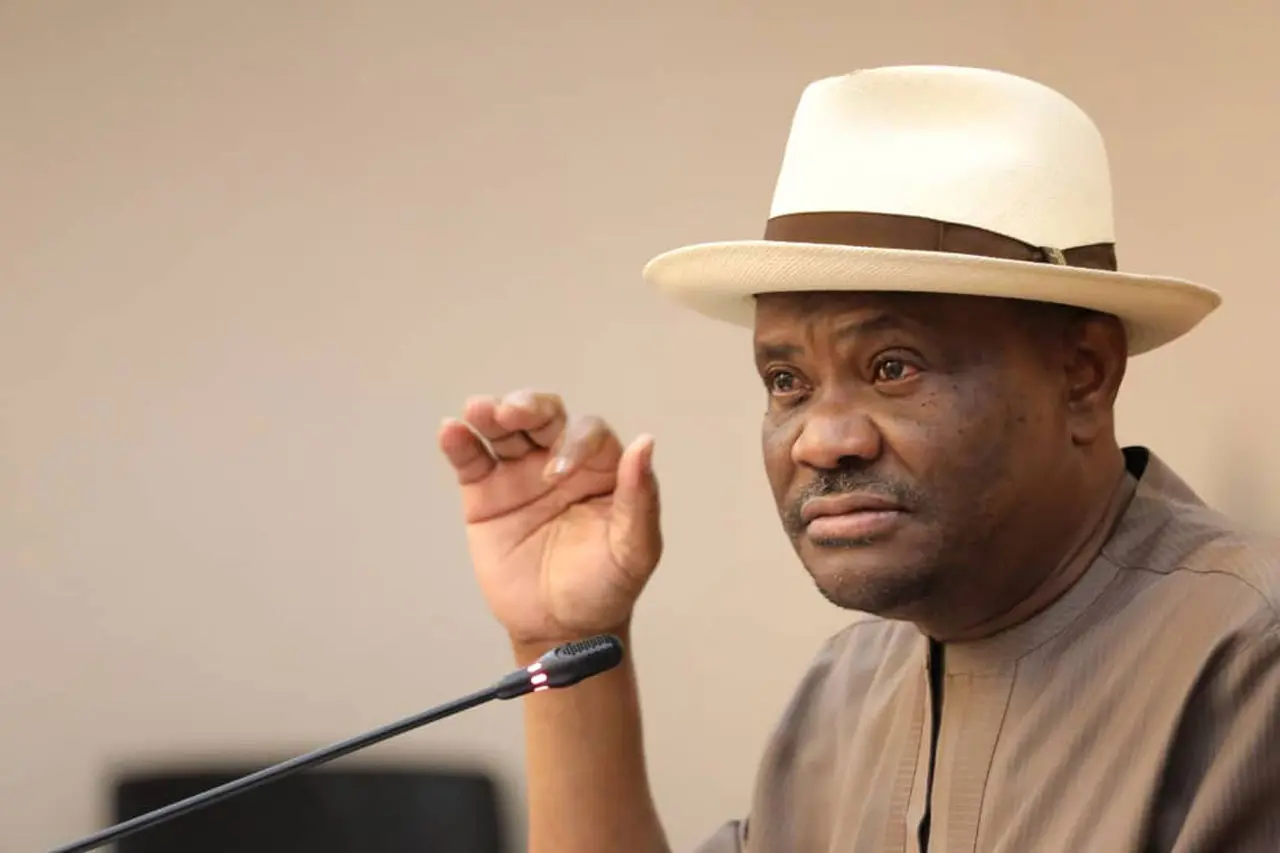
Minister of the Federal Capital Territory (FCT), Nyesom Wike, has rejected suggestions that he is an Igbo man. This comes after his kinsman, ex-Senator John Azuta Mbata, an Ikwerre man, was elected President-General of Ohanaeze Ndigbo on January 10. Despite the Ikwerres sharing significant linguistic and cultural similarities with the Igbos, Wike maintains that they are distinct from the Igbo ethnic group.

During a live media chat, Wike stated that Mbata has the right to associate with any group he chooses, but his emergence as Ohanaeze Ndigbo President-General does not make the Ikwerre people part of the Igbo ethnic group. Wike drew an analogy, saying “just the way every northerner cannot be described as Hausa, the Ikwerres who live in the same region as the Igbos, should not also be called Igbos.” This statement underscores Wike’s assertion that the Ikwerre people maintain a distinct identity separate from the Igbos.
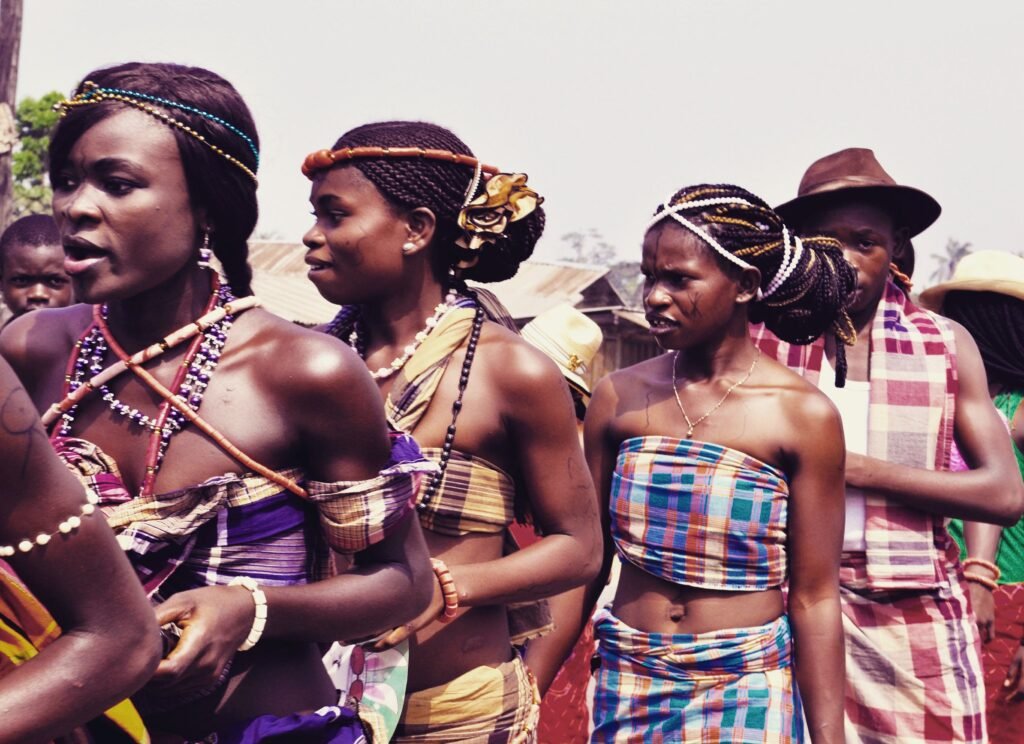
The Ikwerre people, also known as Iwhuruọnha, are an ethnic group native to Rivers State, Nigeria. They inhabit the upland region of the state, sharing borders with Imo State to the north, Emohua to the west, Etche to the east, and Obio-Akpor to the south. The Ikwerre language, part of the Igbo language cluster, distinguishes vowels by quality, nasalization, and tongue root.
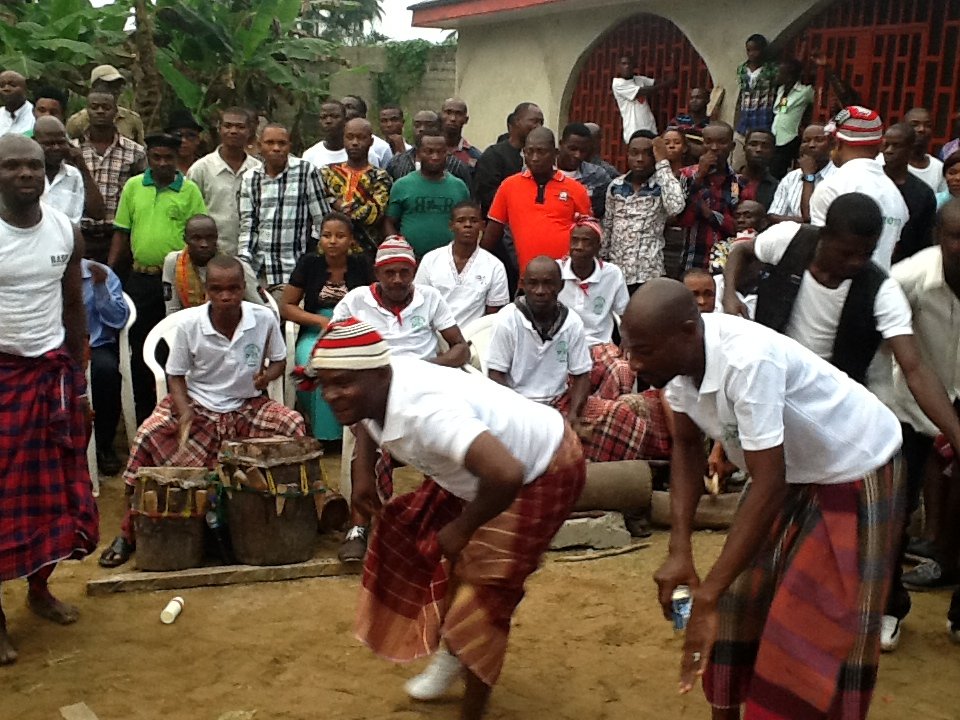
Historically, the Ikwerre declared themselves an ethnic nationality distinct from the Ibos and Ijos in 1965. They made efforts to revert to their original names for villages, communities, and landmarks. Culturally, the Ikwerre are mainly farmers and small-scale fishermen, with cordial relationships with their neighbors and established trade relationships with their coastal neighbors. The Ikwerre founded the Ogkabor Ikwerre Convention in 1963, a socio-cultural organization that promotes their unique identity and heritage.




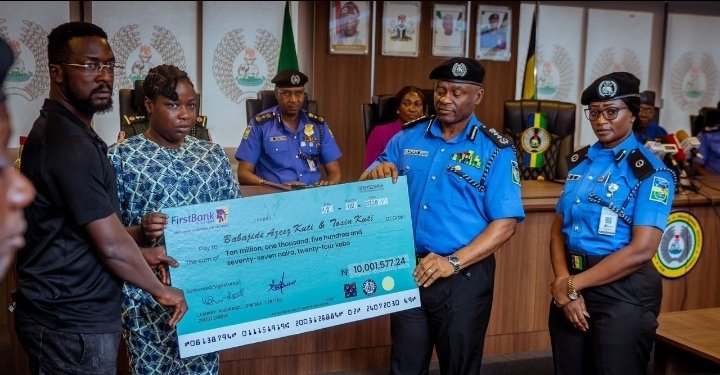
In a demonstration of commitment to the welfare of officers and their families, the Inspector-General of Police, IGP Olatunji Rilwan Disu, has presented cheques totaling over ₦2.4 billion to 1,075 beneficiaries and next-of-kin of deceased officers.
The disbursement, held at the Force Headquarters in Abuja, spans multiple policy years from 2018 to 2026 under the Group Life Assurance and IGP Family Welfare Schemes, including longstanding insurance claims that had previously remained unsettled.
Force Insurance Officer, ACP Lydia Ameh, described the move as a decisive step to clear inherited backlogs and restore confidence in the system. She emphasized that the payments reflect renewed efforts for accountability, transparency, and prompt settlement of officers’ entitlements.
For IGP Disu, the ceremony went beyond routine administrative duties. He described it as a solemn tribute to officers who gave their lives in service to the nation and reiterated that personnel welfare remains central to his leadership.
IGP Disu also assured that the Force would continue implementing reforms aimed at strengthening welfare structures, reducing bureaucratic delays, and leveraging technology to ensure faster and more transparent claims processing.
The Nigeria Police Force highlighted that this initiative underscores its enduring responsibility to support the families of fallen heroes, whose sacrifices continue to safeguard the nation’s peace and security.
Society
PERMANENT SECRETARY PLEDGES MINISTRY’S SUPPORT TO ARMY IN STRENGTHENING CIVIL-MILITARY SYNERGY
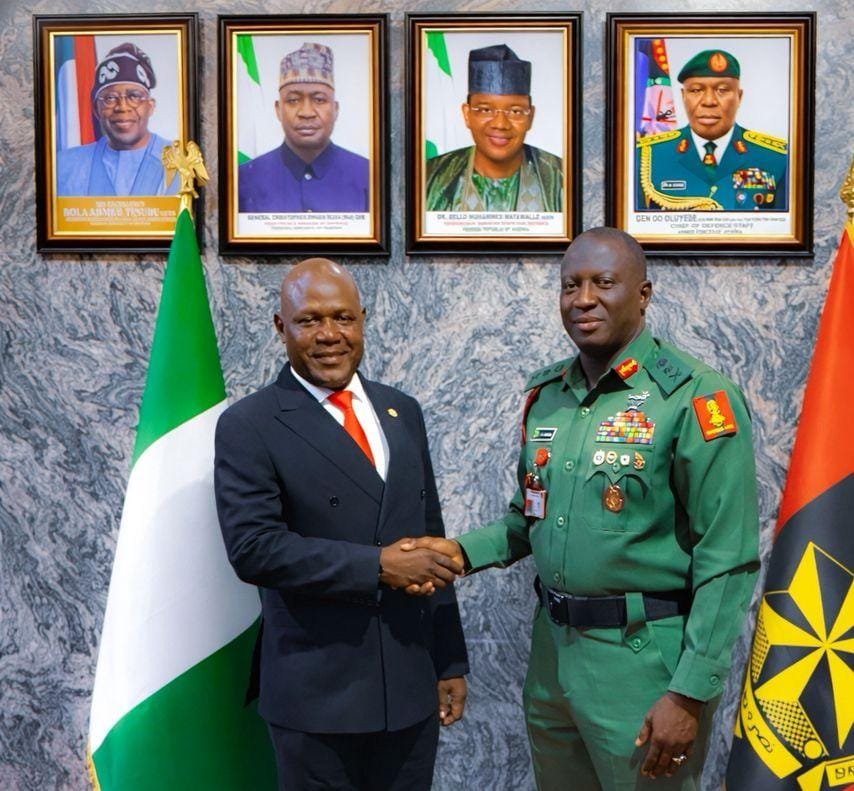
The Permanent Secretary of the Ministry of Defence, Mr Richard Pheelangwa, has paid a strategic familiarisation visit to the Chief of Army Staff, Lieutenant General Waidi Shaibu, at the Army Headquarters in Abuja on Thursday, 26th February, 2026. The visit was aimed at reinforcing the institutional bond and collaboration between the Ministry and the Nigerian Army.
In a statement, the Director of Information and Public Relations through the Deputy Director of Information and Public Relations, Enderline Chukwu, said the Permanent Secretary informed that the visit was to strengthen institutional engagements with the Army. Mr Pheelangwa reiterated the Ministry’s determination to resolving administrative bottlenecks, ensuring budgetary performance and execution, timely delivery of services, as well as transparent procurement processes.
Pheelangwa further stated that the Ministry is committed towards supporting the Military to achieve its national goals of protecting the lives of citizens in the most effective and efficient manner. He also emphasised the importance of welfare and human capital development, highlighting the Ministry’s ongoing engagement with the Defence Industries Corporation of Nigeria (DICON) to achieve more positive outcomes.
In his response, the Chief of Army Staff, Lieutenant General W. Shaibu, underscored the urgent need for the expansion of the Aviation wing of the military to facilitate timely response to security challenges. He described it as one of the key enablers for military operations. Lt. Gen. Shaibu also called for an increase in the number of armed drones, timely releases of the capital budget, adequate accommodation facilities for newly recruited troops, and the provision of permanent teaching staff in defence schools. He noted that these areas require urgent attention to enhance the Military’s combat efficiency and overall effectiveness. The Army Chief however assured the Ministry of the Army’s full cooperation in the attainment of the desired national goals.
Present at the event from the Ministry were the Director of Press and Public Relations, the Director of Army Affairs, and Principal Staff Officers of the Army Headquarters.

The National Executive Council of the Okpe Union has restated its unwavering commitment to the recognition of the Okpe people as a distinct ethnic nationality. This follows a recent public declaration by the Orodje of Okpe Kingdom, which the union states could create misunderstanding about Okpe origins.
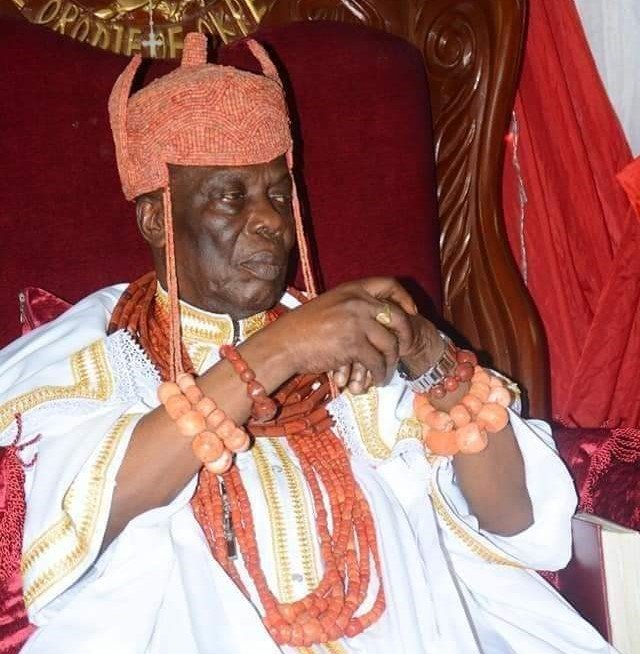
In a statement signed by its leadership, the union reviewed the monarch’s comments and presented historical references supporting an independent Okpe identity. The NEC noted that its position is based on long-standing records and research emphasizing Okpe’s unique history, language, and cultural heritage.
The union expressed concern over the recent statement but also recounted the Orodje’s earlier role as an advocate for Okpe identity. It referenced instances where His Royal Majesty encouraged initiatives promoting Okpe culture and language, including participation in major conferences and approving resolutions championing Okpe self-identification. Speeches delivered by the Orodje between 2006 and 2007 were cited, in which he described Okpe as a “unique ethnic nationality” with deep historical ties to the Benin Kingdom but distinct in language, customs, and traditions.
The statement reiterated that several historical studies, including those commissioned during the Orodje’s reign, describe Okpe as an autonomous group. These studies maintain a lineage tracing back to Okpe, the progenitor whose four sons—Orhue, Orhoro, Evbreke, and Esezi—founded the present kingdom, affirming Okpe autonomy.
The union recalled documented migratory waves from the Benin Kingdom into the Delta Central Senatorial District, emphasizing that Okpe migration occurred later than earlier settlements commonly associated with Urhobo groups. This, they argue, strengthens the claim of separate origins and independent development.
Colonial administrative decisions that grouped different ethnic nationalities under broader labels were also addressed. The union argued this contributed to long-term misconceptions, noting similar historical classifications of other groups like the Isoko, who later reclaimed distinct recognition.
Affirming the uniqueness of the Okpe Nation, the statement explained that its people share a common ancestry, language, culture, and traditions, aligning with established characteristics of ethnic nationalities. It emphasized that the Okpe Kingdom possesses a defined territory, a functioning traditional institution, and a cohesive population historically tied to its founding families.
Calling for unity, the Union urged all Okpe people worldwide to remain committed to the ongoing advocacy for formal recognition. It stressed the importance of preserving cultural and historical values handed down by the founding ancestors and maintaining the role of the Okpe monarchy as a symbol of collective unity and heritage.
The statement was signed by Prof. O. Igho Natufe, President General; Barrister Kingsley Ehensiri Akpederin, General Secretary; and Barrister Victor Oruno, National Publicity Secretary of the Okpe Union.