
Disaster/Tragedy
Three Firefighters Killed in Colorado as Wildfires Fueled by Heat and Wind Rage Across the West

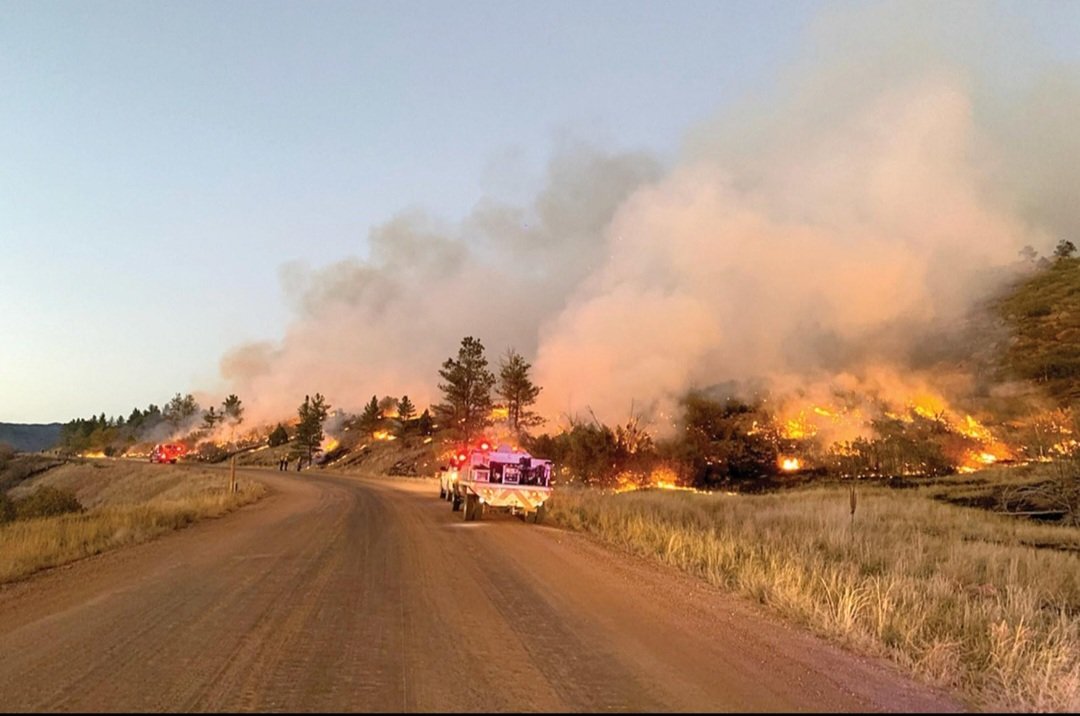
Three firefighters have been killed and two others injured while battling rapidly spreading wildfires near the Colorado–Utah border, as scorching temperatures, strong winds and critically dry conditions continue to fuel dangerous blazes across the western United States. The deaths mark one of the deadliest incidents for U.S. firefighters this wildfire season.
According to the U.S. Wildland Fire Service, the firefighters were responding to the Knowles and Gore fires, which later merged into the larger Snyder Fire. Officials said the victims were caught while working to contain the fast-moving flames. Two additional firefighters were injured and transported to hospital, though authorities have not released details about the severity of their injuries.
The agency expressed its condolences to the families of the fallen firefighters, describing their deaths as a devastating loss for the firefighting community. Investigators are examining the circumstances surrounding the tragedy.
The fatalities come as multiple large wildfires burn across Utah, Colorado, Arizona and New Mexico, driven by extreme heat, low humidity and powerful winds.
The Cottonwood Fire in Utah has become the largest active wildfire in the United States, scorching more than 144 square miles (about 373 square kilometres) with little or no containment. Meanwhile, the Snyder Fire near the Colorado border has continued to expand, threatening nearby communities and forcing evacuation orders.
Fire officials warned that erratic winds have caused flames to spread rapidly across rugged terrain, making containment efforts extremely difficult and placing firefighters in constant danger. Aircraft, bulldozers and hundreds of ground crews have been deployed to slow the advancing fires.
In response to the worsening crisis, Colorado Governor Jared Polis declared a state of emergency and activated the Colorado National Guard to support firefighting operations. In neighboring Utah, Governor Spencer Cox also declared an emergency and announced restrictions on fireworks ahead of the Independence Day holiday to reduce the risk of additional fires.
Officials have urged residents in vulnerable areas to remain prepared for evacuation as weather conditions continue to favor rapid fire growth.
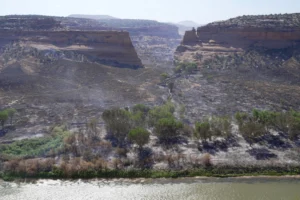
Meteorologists say the current fire outbreak is being fueled by a combination of record-breaking heat, gusty winds, drought and exceptionally dry vegetation.
The U.S. National Weather Service has issued Red Flag Warnings across several western states, cautioning that even small sparks could ignite fast-moving wildfires. Experts warn that the seasonal North American monsoon; which often brings moisture to the Southwest, has yet to arrive, leaving forests and grasslands extremely vulnerable.
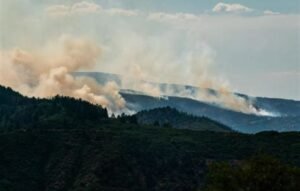
The National Interagency Coordination Center reported dozens of large, uncontained wildfires burning across the western United States, with hundreds of thousands of acres already affected this season.
Emergency crews continue working around the clock to protect homes, critical infrastructure and natural resources. However, officials caution that continued hot, windy weather could lead to additional fire growth and create new threats for communities across the region.
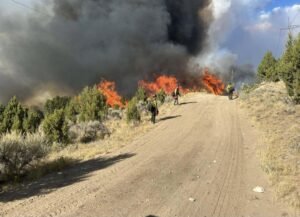
Tributes have begun pouring in for the three firefighters who lost their lives while protecting communities from the advancing flames.
Their deaths serve as a stark reminder of the risks faced by emergency responders during increasingly intense wildfire seasons. As investigations continue, authorities have pledged support for the victims’ families while renewing calls for the public to heed evacuation orders and fire safety warnings.
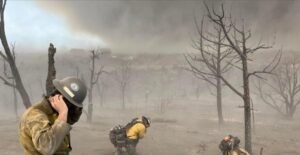
With no significant rainfall forecast in the coming days, firefighters across the American West remain on high alert as they battle one of the most dangerous wildfire outbreaks of the year.