
International
Deb Haaland Makes History as First Native American Woman Elected US Governor

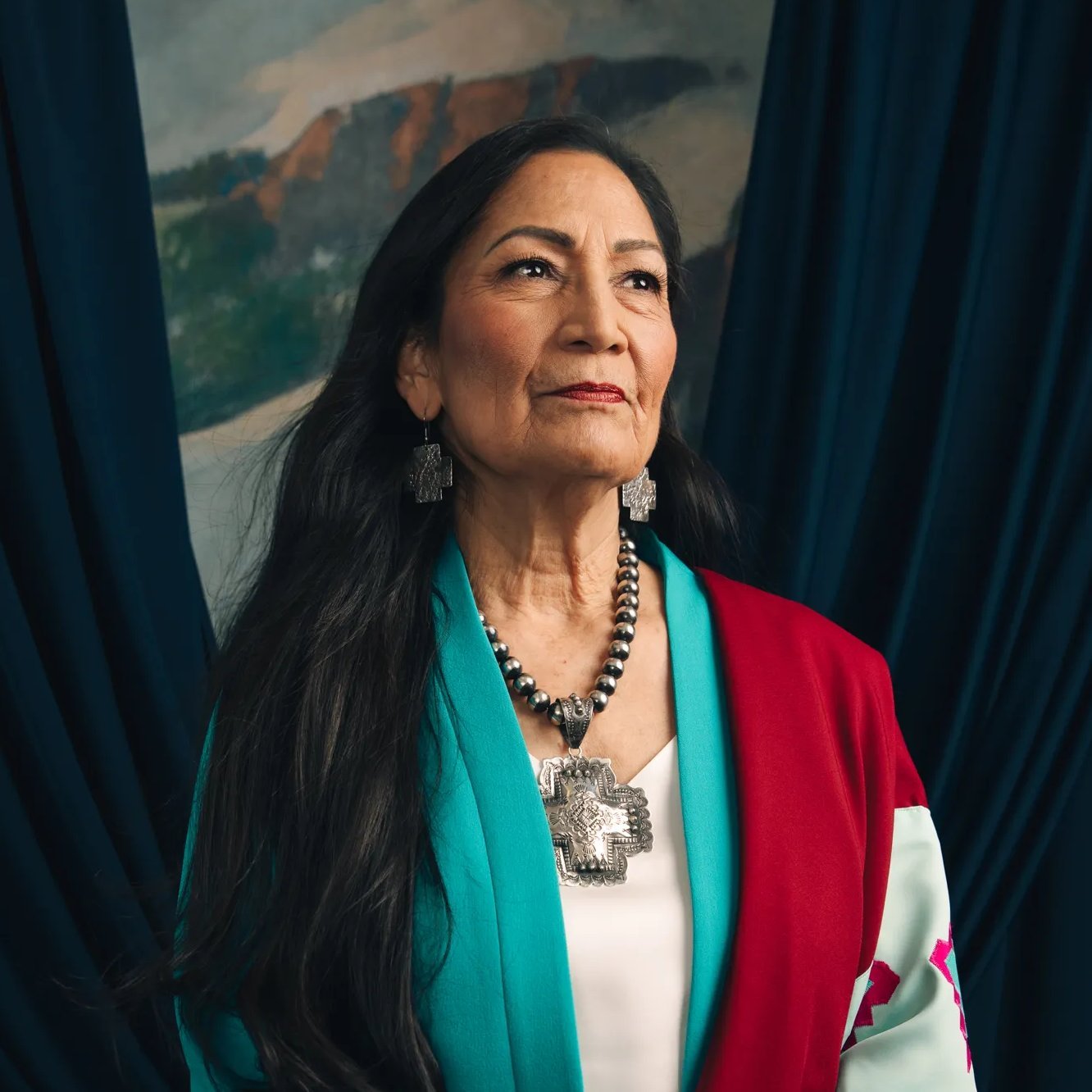
Democrat Deb Haaland has defeated Republican Greggory Hull in New Mexico’s gubernatorial election, becoming the first Native American woman elected governor of a US state.
The Associated Press declared Haaland the winner on Tuesday night, November 3, following the 2026 US midterm elections, marking a historic breakthrough for Indigenous representation in American politics.
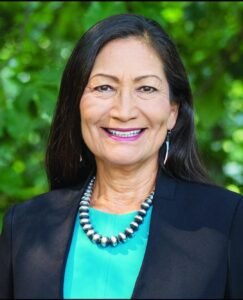
Haaland, a member of the Laguna Pueblo tribe and former US Interior Secretary under President Joe Biden, will become New Mexico’s 33rd governor when she takes office in January 2027.
According to reported election results, Haaland secured 57.2 per cent of the vote, compared with 42.8 per cent for Hull, the former three-term mayor of Rio Rancho.
Her victory carries significance beyond New Mexico, as Native American women have historically faced considerable barriers to representation in American political leadership.
Haaland previously made history in 2018 when she and Democrat Sharice Davids became the first Native American women elected to the US House of Representatives.
Three years later, she broke another barrier after being confirmed as the first Native American to serve as a US Cabinet secretary when Biden appointed her to lead the Department of the Interior in 2021.
The department oversees federal lands, national parks, natural resources and relations between the federal government and Indigenous communities.

During her time in office, Haaland focused on tribal relations, the protection of culturally significant sites and addressing historical injustices against Native American communities.
Her gubernatorial campaign drew heavily on her personal experiences, including raising a daughter as a single mother and overcoming financial difficulties before building a career in public service.
She campaigned on improving affordability, strengthening healthcare access, supporting working families and protecting New Mexico’s natural resources.
Her Republican opponent, Hull, centred his campaign on economic development, public safety and attracting major employers to the state. He also criticised the outgoing Democratic administration, arguing that years of Democratic leadership had failed to adequately address poverty, crime and economic challenges.

However, Haaland entered the election with a substantial fundraising advantage and strong support from the Democratic establishment.
The contest was to replace outgoing Democratic Governor Michelle Lujan Grisham, who was barred by term limits from seeking another consecutive term.
Haaland’s victory represents a significant milestone for Native American communities, particularly Indigenous women seeking greater participation in political leadership.
Her election comes amid broader efforts to increase Indigenous representation across American political institutions.
Native Americans have historically encountered barriers to voting and political participation. Although Indigenous people have made considerable electoral gains in recent decades, their representation in senior elected offices remains limited.
Haaland’s journey from grassroots political organising to Congress, a presidential Cabinet position and now the governorship highlights the growing influence of Indigenous leaders in American public life.
Her victory also adds to a series of historic electoral breakthroughs recorded by Democrats during the 2026 midterm elections.
As she prepares to assume office, Haaland faces significant challenges, including poverty, public safety concerns, struggling schools and the need to improve economic opportunities across New Mexico.
Her administration will also be expected to address questions surrounding healthcare, natural resource management and the protection of tribal interests.
While her election has already secured a place in American political history, the effectiveness of her leadership will ultimately be measured by how successfully she translates her campaign promises into improvements in the lives of New Mexico residents.