
Disaster/Tragedy
Older Buildings and Poor Construction Left Venezuela Exposed to Deadly Quakes

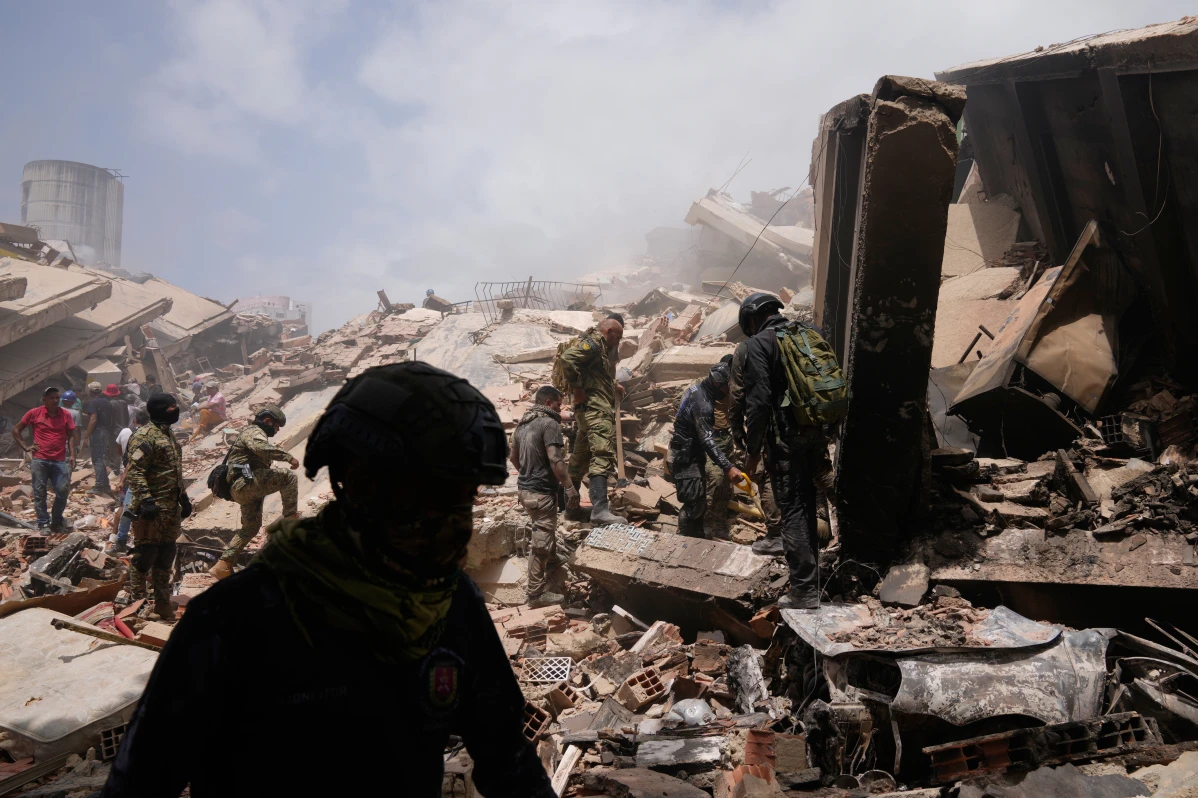
As Venezuela begins the long process of recovery following one of the most destructive seismic disasters in its recent history, engineers, urban planners, and disaster experts are increasingly pointing to a critical factor behind the scale of devastation: the vulnerability of the country’s aging buildings and inconsistent construction standards.
While earthquakes are natural events that cannot be prevented, experts say the extent of destruction witnessed across parts of Venezuela was significantly amplified by decades of infrastructure deterioration, insufficient building maintenance, rapid urban expansion, and the presence of thousands of structures that were never designed to withstand powerful seismic activity.
The disaster has reignited concerns about building safety across the South American nation, where many residential and commercial structures date back several decades and were built before modern earthquake-resistant standards became common practice.
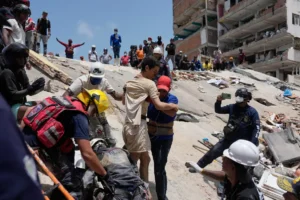
The powerful earthquakes that struck Venezuela sent shockwaves across multiple states, causing widespread damage to homes, apartment buildings, schools, hospitals, and public infrastructure.
Although modern engineering allows many buildings in earthquake-prone regions to survive strong shaking, structural experts say older Venezuelan buildings were particularly susceptible because many lacked seismic reinforcements that are now standard in newer construction.
According to engineers interviewed by multiple international media outlets, many buildings that suffered severe damage were constructed during periods when earthquake-resistant regulations were either limited or poorly enforced.
As the ground shook, these structures struggled to absorb the intense forces generated by the earthquakes, leading to partial or complete collapses in several affected communities.
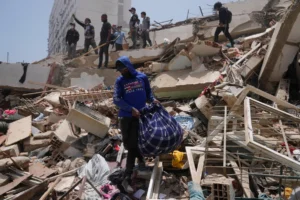
One of the most significant challenges facing Venezuela is the age of much of its urban infrastructure.
In cities such as Caracas, Maracay, Valencia, and La Guaira, large numbers of residential buildings were erected decades ago during periods of rapid urban development. While many of these structures have remained occupied, years of economic difficulties have limited maintenance and rehabilitation efforts.
Experts note that aging concrete, corroded steel reinforcement bars, water damage, and structural wear can weaken buildings over time, making them more vulnerable when earthquakes occur.
Several damaged buildings inspected after the disaster reportedly showed signs of long-term deterioration before the earthquake struck, raising questions about whether earlier interventions could have reduced the extent of the destruction.
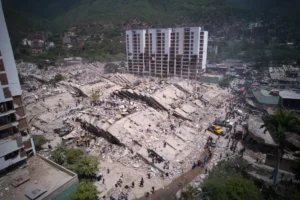
Beyond the issue of age, specialists are also examining the role of construction quality.
In some areas, investigators believe substandard building materials, inadequate engineering oversight, and deviations from approved construction plans may have contributed to structural failures.
Disaster analysts explain that even when building regulations exist, weak enforcement can result in structures that fail to meet safety requirements.
Several collapsed residential buildings are now being examined by engineers seeking to determine whether construction defects played a role in their failure.
Authorities have not yet released final findings, but early assessments suggest that some structures may have lacked sufficient reinforcement to withstand strong seismic movements.
The destruction was also influenced by the geological characteristics of affected regions.
Certain neighborhoods were built on soft soils, reclaimed land, or sediment-filled basins that can amplify earthquake vibrations. When seismic waves pass through these types of ground conditions, shaking can become significantly stronger than in nearby areas built on solid rock.
This phenomenon, known as site amplification, has contributed to severe earthquake damage in major disasters around the world, including Mexico City, Turkey, and parts of Japan.
Experts say similar conditions likely intensified shaking in some Venezuelan communities, increasing stress on already vulnerable structures.
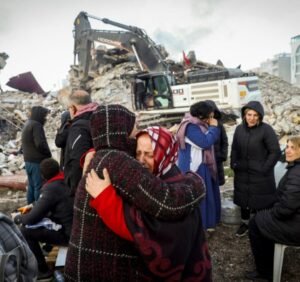
Emergency crews have continued search-and-rescue operations in heavily affected areas, working around the clock to locate survivors and recover victims trapped beneath collapsed buildings.
Authorities have established temporary shelters for displaced families while humanitarian organizations provide food, water, medical assistance, and emergency supplies.
Hospitals in several regions remain overwhelmed as doctors treat injuries ranging from fractures and crush wounds to severe trauma.
Government officials have pledged support for reconstruction efforts, though experts warn that rebuilding could take years and require significant financial resources.
The disaster has sparked renewed debate about construction safety and urban planning throughout Venezuela.
Engineering associations and disaster-management specialists are urging authorities to conduct nationwide structural assessments, particularly for older buildings located in high-risk seismic zones.
They argue that retrofitting existing structures with modern earthquake-resistant technologies could significantly reduce casualties in future disasters.
Recommendations include strengthening concrete columns, reinforcing foundations, improving building connections, and updating outdated construction regulations.
Experts emphasize that while earthquakes cannot be stopped, their impact can be dramatically reduced through proper engineering, strict building-code enforcement, and proactive maintenance.
As Venezuela mourns the lives lost and begins rebuilding damaged communities, the earthquake has exposed vulnerabilities that extend beyond the immediate disaster zone.
The tragedy serves as a reminder that natural hazards become far deadlier when combined with aging infrastructure and inadequate construction practices.
For many experts, the central lesson is clear: investing in safer buildings before disaster strikes is far less costly than rebuilding after catastrophe.
As investigations continue and reconstruction plans take shape, Venezuelans face difficult questions about how cities are built, maintained, and prepared for future seismic events.
The answers may determine how well the country withstands the next major earthquake.