





























































































































































































































































































































































































































































































































































































































































































































































































































































































































































































































































































































































































































































































































































































































































































































































































































































































































































05
Dec
Dec
FG AND ASUU CONCLUDE NEGOTIATIONS ON NEW SALARY STRUCTURE WITH 40 PERCENT INCREASE
-
CapitalTimesNews / 11 hours
- 0
- 2 min read

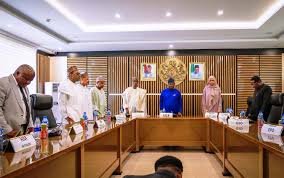
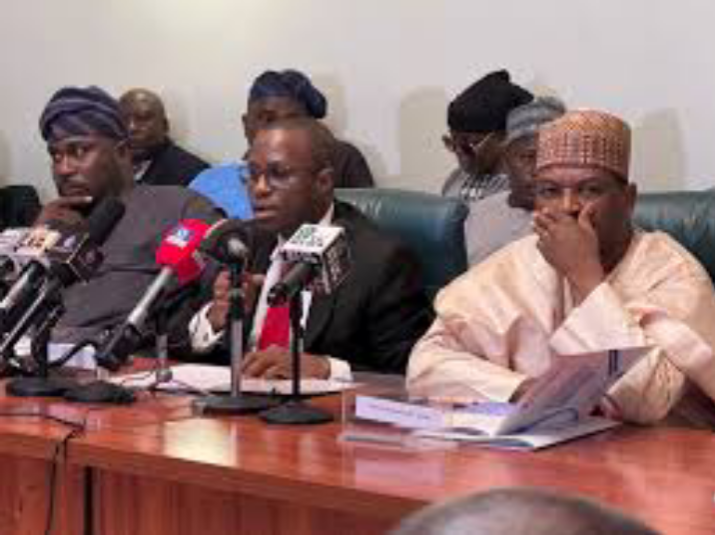
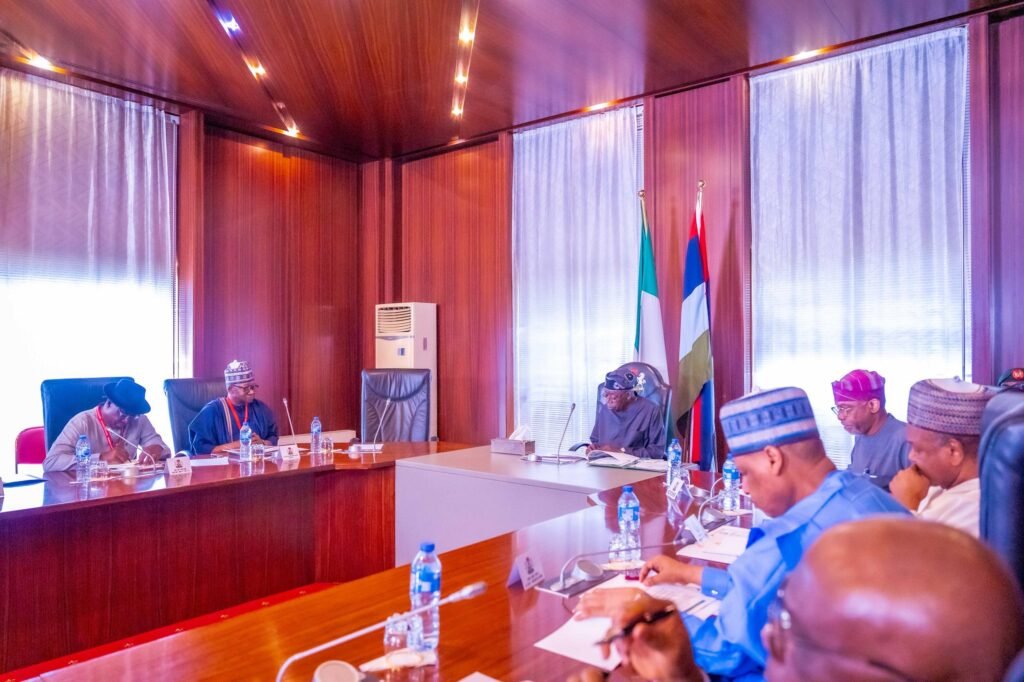
The Federal Government and the Academic Staff Union of Universities have finalized a comprehensive agreement on a new salary structure for academic staff in public universities, marking a significant breakthrough after months of negotiations. The pact, effective from August 2025, introduces a 40 percent upward review across all academic ranks. According to details of the agreement obtained, Graduate Assistants on Grade Level 07 will now receive monthly salaries between N238,000 and N308,000, up from the previous range of N170,000 to N220,000. Lecturer II staff will earn between N350,000 and N420,000, increased from N250,000 to N300,000. Lecturer I academics will see their monthly remuneration rise to between N490,000 and N560,000, from the former N350,000 to N400,000 bracket. Senior Lecturers are now slated to earn between N728,000 and N798,000, up from N520,000 to N570,000. Professors, the highest-paid category, will receive between N1,190,000 and N1,330,000 monthly, a substantial increase from the N850,000 to N950,000 range. The salary framework is part of a broader set of resolutions. A key provision pegs earned academic allowances at 12 percent of each university’s total annual academic salary expenditure. Both parties reaffirmed their commitment to university autonomy, including adherence to existing laws on appointments and governance. They also agreed to conduct future reviews of the agreement every three years, replacing open-ended negotiation cycles. On long-term funding, the agreement states, “It was agreed that the FGN and ASUU would sponsor Bills on new and innovative forms of taxes to guarantee sustainable funding of education. It was further agreed that the FGN will issue executive orders towards achieving the same purpose.” Regarding welfare, any general increase in public sector salaries and allowances will automatically reflect in academic staff remuneration. Appointments into Governing Councils must continue to follow the Universities (Miscellaneous Provisions) (Amendment) Act 2003. The negotiation condemned practices in some states where indigenes of host communities insist on producing Vice-Chancellors, describing such demands as contrary to merit-based selection. The agreements come amid heightened tension in the academic sector. Two weeks earlier, Minister of Education, Dr Tunji Alausa, stated that the Federal Government had already met most of ASUU’s demands, a position that sparked debate among stakeholders. The implementation of the new salary structure and accompanying policy measures is expected to shape the future of public university administration and academic welfare in the coming years.