























































































































































































































































































































































































































































































































































































































































































































































































































































































































































































































































































































































































































































































































































































































































































































































































































































































































































































































































































































































02
Feb
Feb
FIRST BANK HOLDINGS PROFITS PLUMMET 92% AFTER N748 BILLION BAD LOANS CLEANUP
-
CapitalTimesNews / 2 days
- 0
- 4 min read

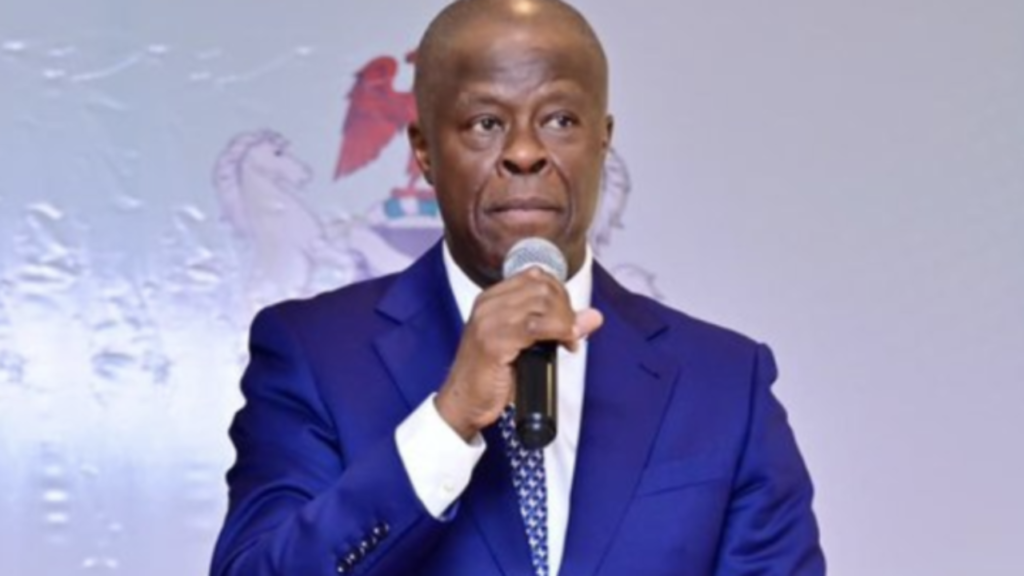
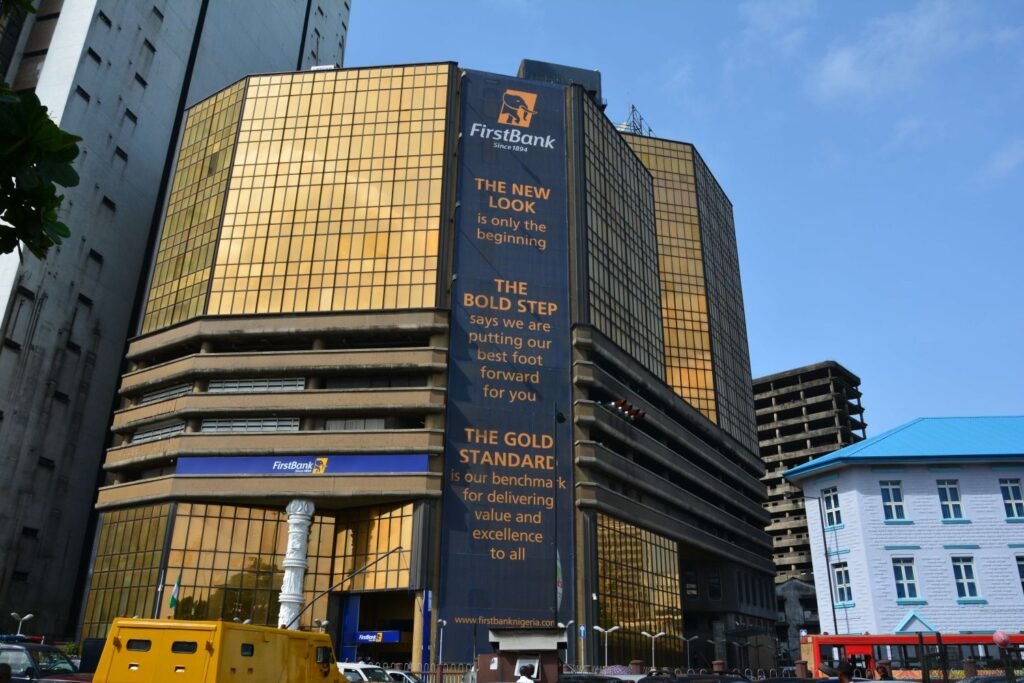
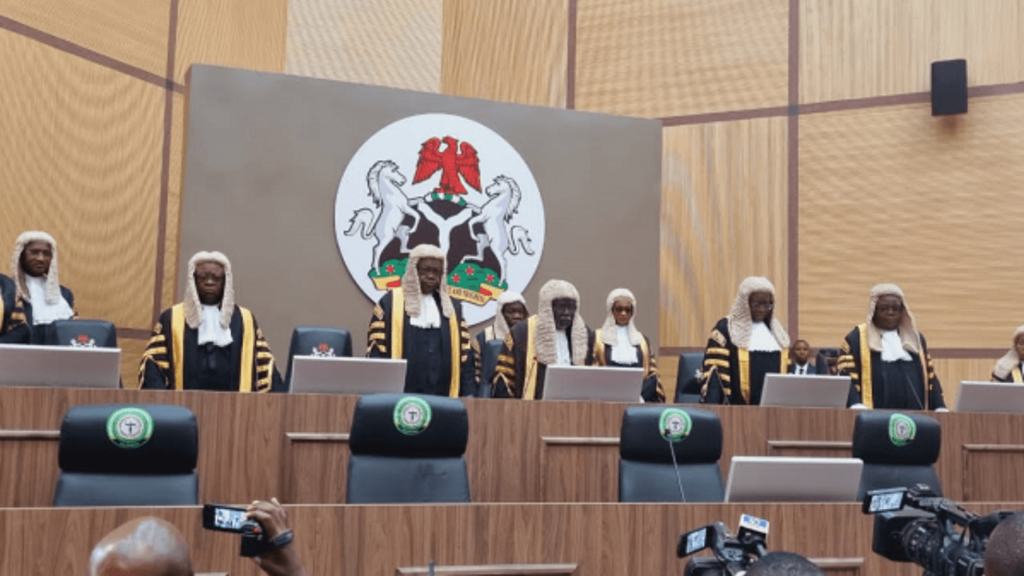
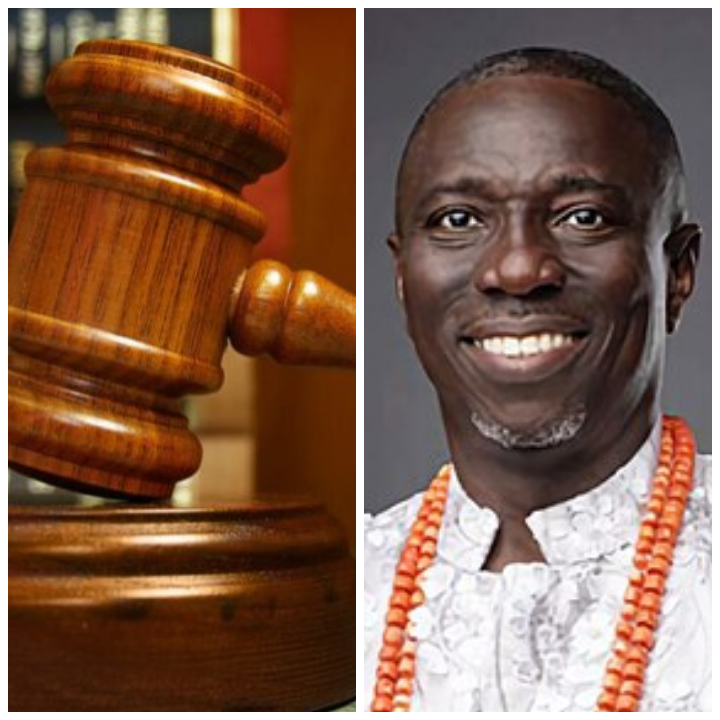
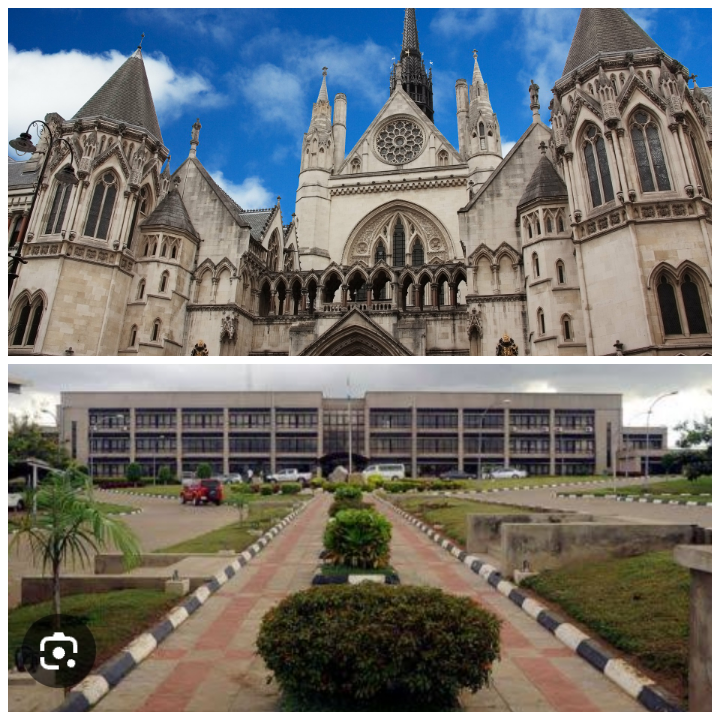
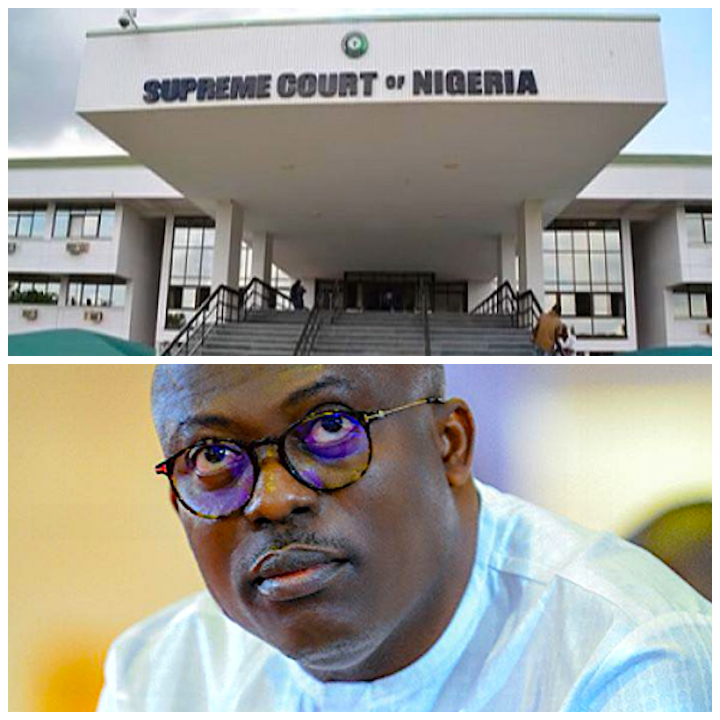
The profit of First Bank Holdings has crashed by 92% due to a massive N748 billion provision for bad loans. The Group Chairman of First Bank Holdings, Mr Femi Otedola, revealed this development. He defended the company’s decision to take a one-time charge of N748 billion to clear legacy bad loans, describing the move as a strategic step toward long-term stability despite its impact on reported profits. The billionaire businessman disclosed this via his X handle on Saturday, explaining that the massive provisioning caused the holding company’s profit to decline by 92 per cent. Otedola stated that the decision was aligned with the Central Bank of Nigeria’s directive for banks to address non-performing loans transparently rather than defer the problems. “At First HoldCo we decided to clean house properly. We took a huge one-time hit of N748bn to admit old bad loans instead of pretending they do not exist. That is why profit looks like it crashed by 92 per cent. Painful headline, but it is a serious long-term move,” he wrote. He explained that the action was necessary to close the chapter on problematic loans from previous years and to restore stakeholder confidence in the institution. “Why do this now? Because the CBN is pushing banks to stop kicking problems down the road. So First HoldCo basically closed the chapter on messy loans from past years which sends a clear message that borrowing has consequences and it helps rebuild trust,” Otedola added. In a separate but related legal matter, a former employee of First Bank Plc successfully sued the bank for wrongful termination and defamation. The claimant stated he later discovered that his inability to secure another banking job was because First Bank Plc had published his name and photograph on its portal and sent his details to the CBN as one of those dismissed for fraud, leading to his blacklisting from the financial sector. In its defence, First Bank Plc through its lawyer, A. N. Ozornafor, admitted publishing the claimant’s details and sending his name to the CBN but argued that it acted in compliance with BOFIA and a regulatory circular issued by the apex bank. The bank also challenged the jurisdiction of the National Industrial Court to hear the matter. However, Justice Ogbuanya dismissed the objection, affirming that the court has jurisdiction over employment-related disputes, including workplace defamation. “From the record, I find that the subject matter of the dispute bordering on workplace defamation and the manner of termination of employment raises issues of unfair labour practice in this suit, which involves issues of employment relationship as it arose from the workplace,” the judge held. He added, “Workplace Defamation, a type of defamation that can only arise in a work environment and related to the routine course of work, borders on labour relations at the workplace, which is essentially different and distinct from general defamation.” On the merits of the case, the court found that recalling the claimant from suspension pending investigation amounted to his exoneration by operation of law and that there was no justification for reporting him to the CBN. The judge faulted the bank for terminating the claimant’s employment on one ground while portraying him to regulators as having been disengaged for fraud. Ogbuanya held, “The claimant’s grouse is not necessarily the mere act of termination of employment on the reason of ‘services no longer required’, but more of the defendant’s overreaching acts of publishing the claimant’s name and photograph in its accessible portal and sending his name to CBN for sanction, without him being indicted or the reason disclosed in his termination letter.” In awarding damages, the judge held: “The sum of N50,000,000.00 is hereby awarded against the defendant in favour of the claimant, as compensation by way of general damages for the act of unfair labour practice.” The judge said the wrongful publications “tarnished his cherished career and rendered him jobless and traumatised,” and consequently ordered that the publications be set aside. “As a consequential order, the said wrongful publications are hereby set aside, and the defendant is restrained from further giving effect to its career-damaging publications against the claimant,” Ogbuanya ruled.