
































































































































































































































































































































































































































































































































































































































































































































































































































































































































































































































































































18
Dec
Dec
PRESIDENT TINUBU RECONSTITUTES NIGERIAN ELECTRICITY REGULATORY COMMISSION BOARD
-
CapitalTimesNews / 2 months
- 0
- 1 min read

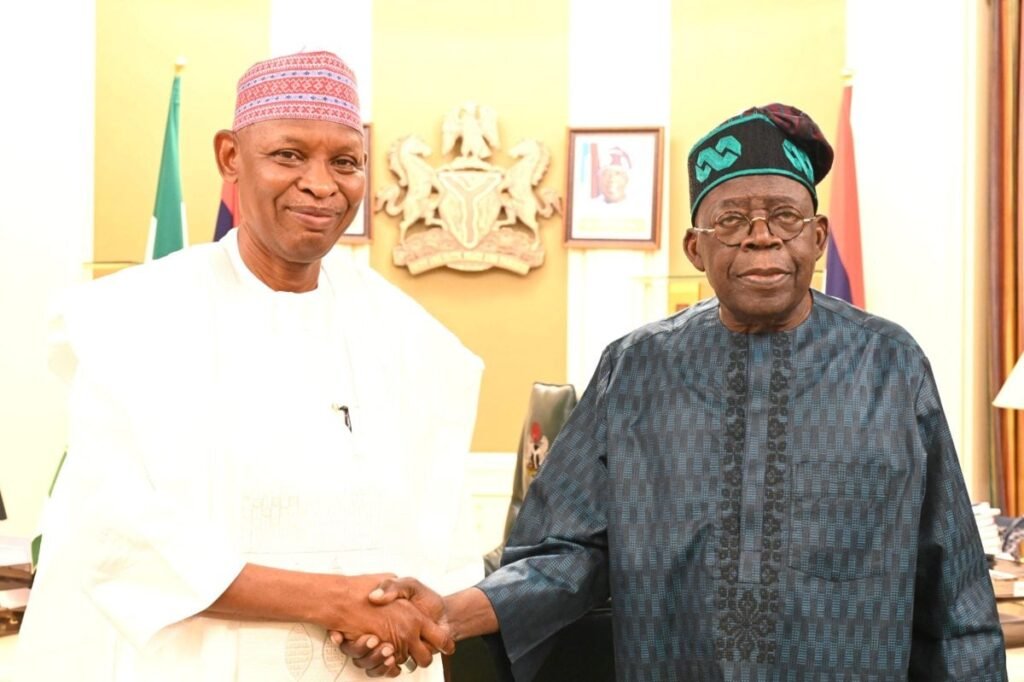
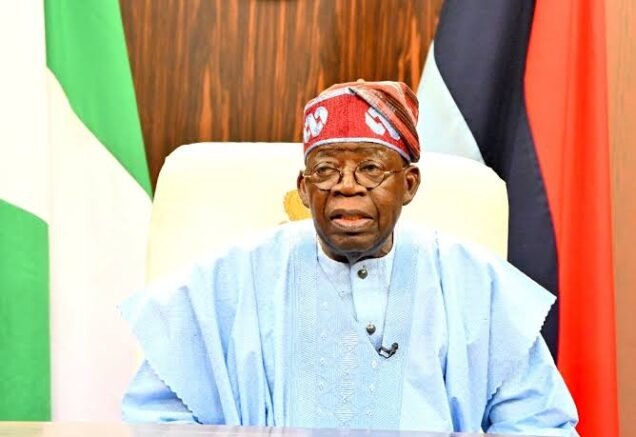
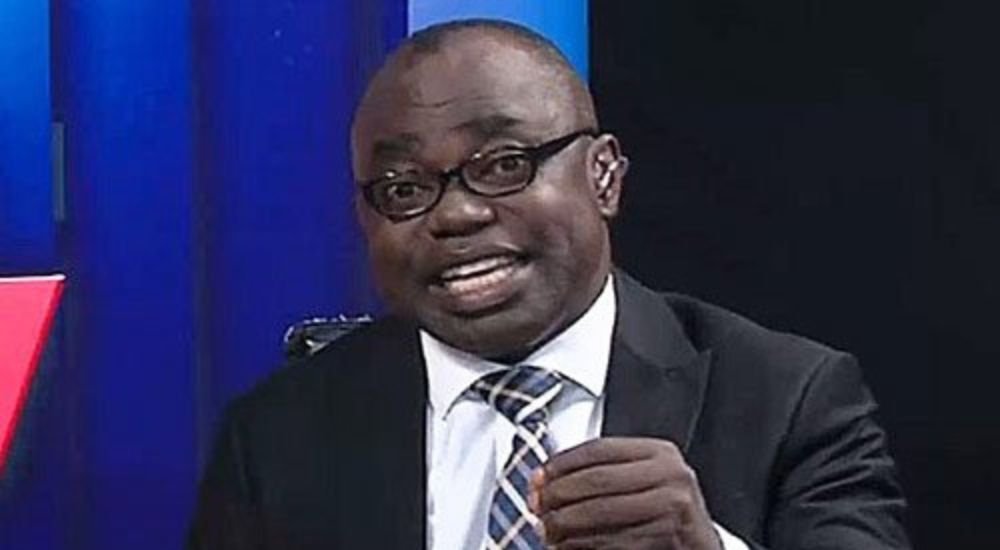
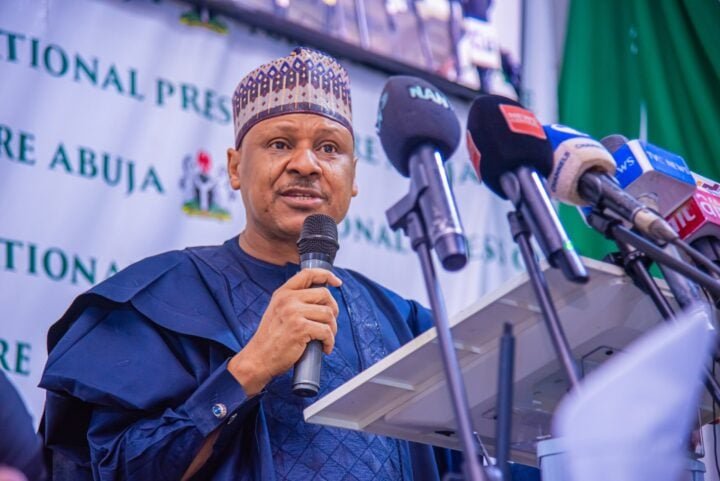
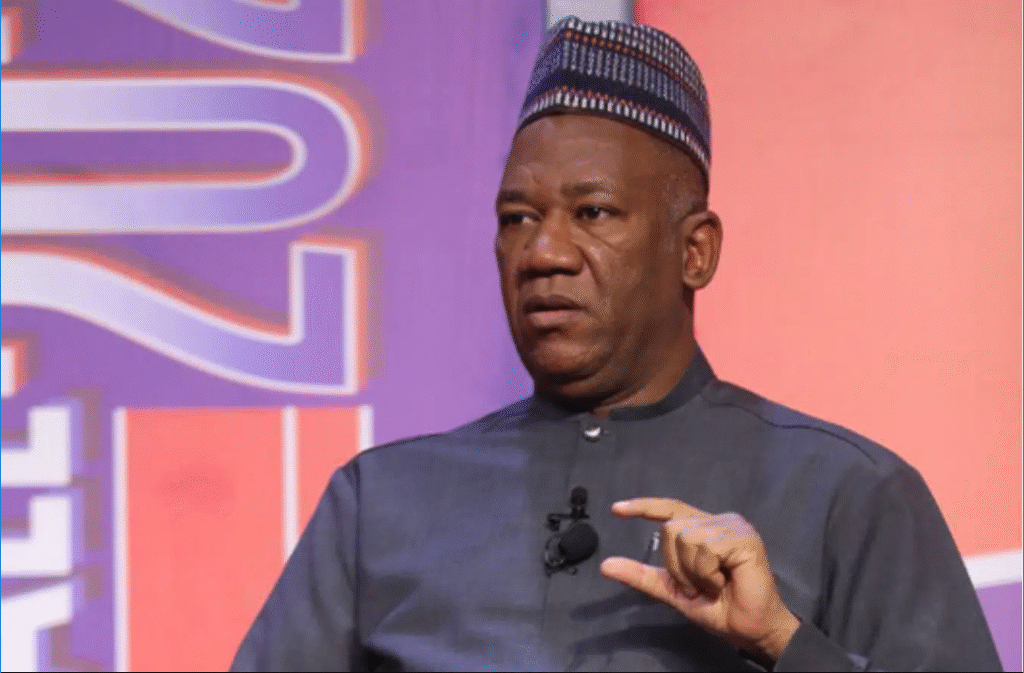
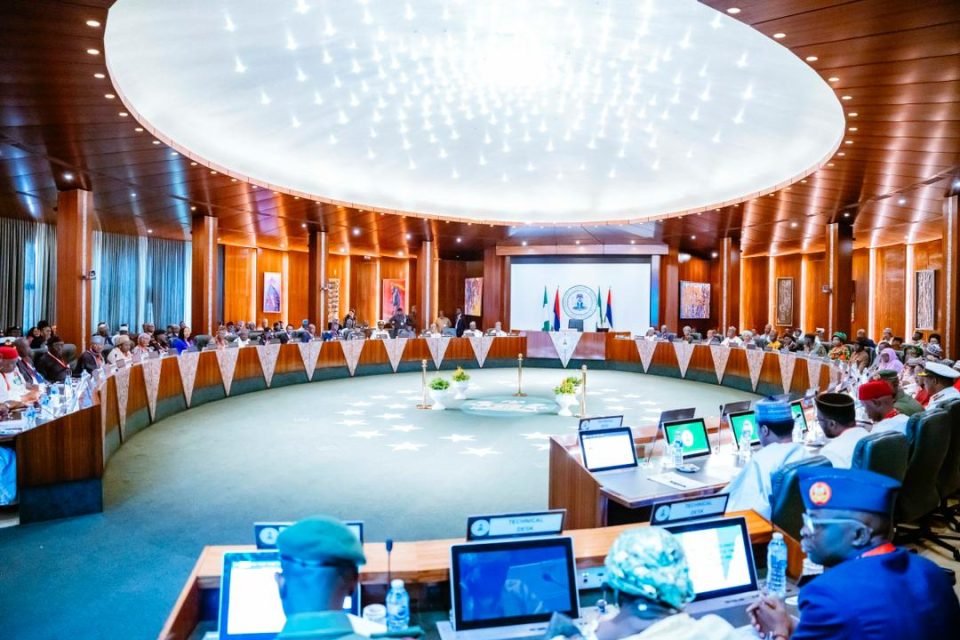
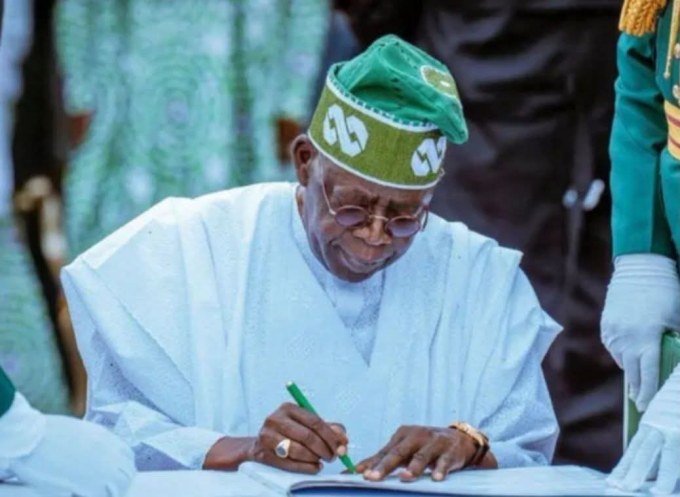
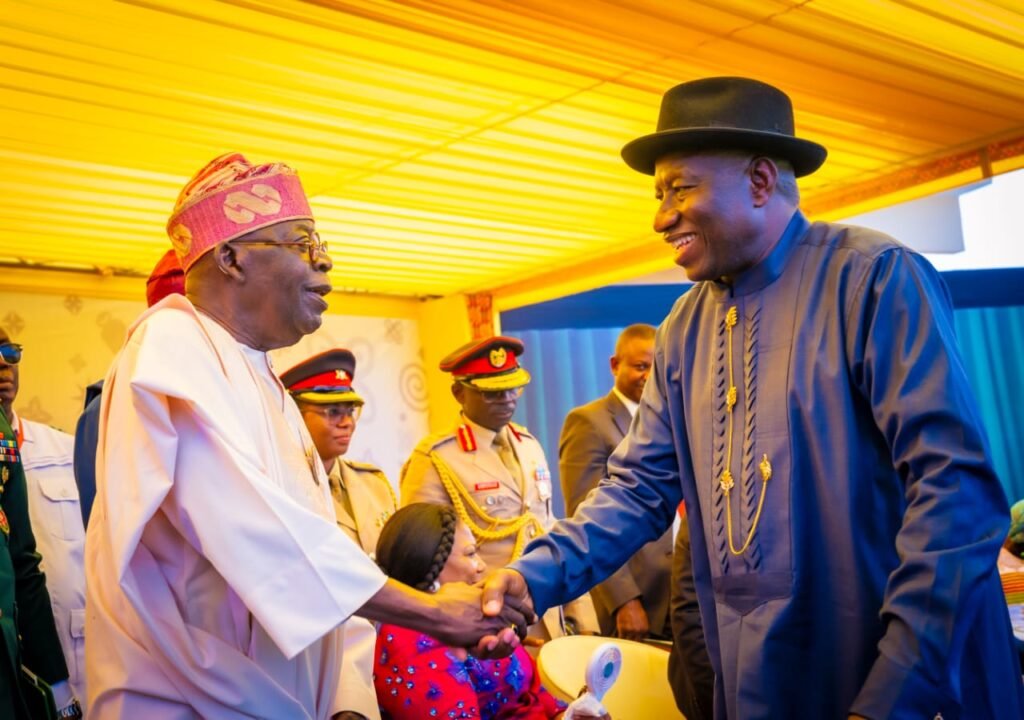
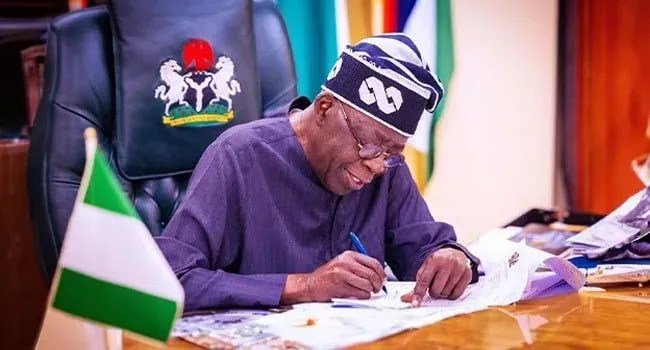
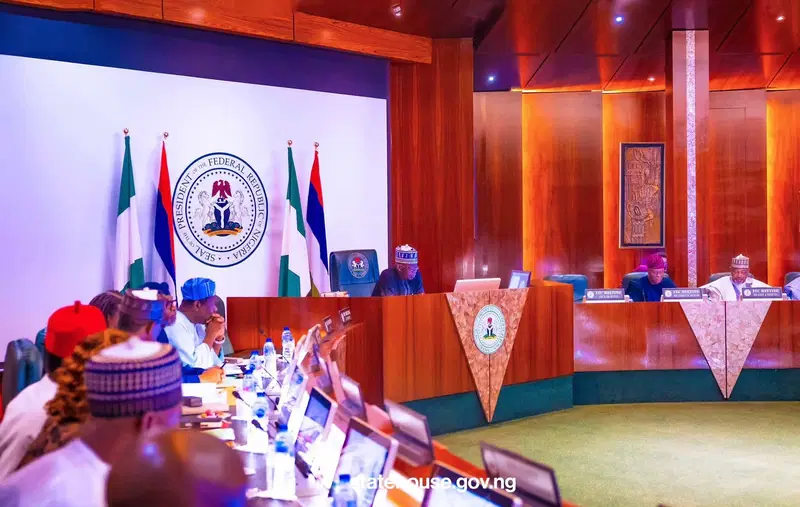
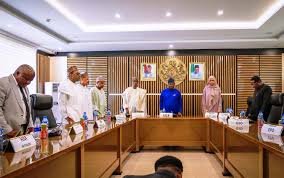
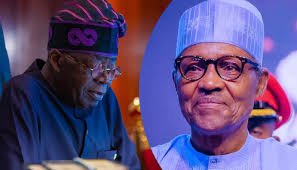
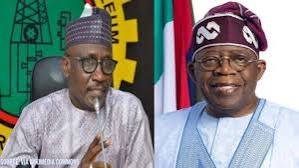
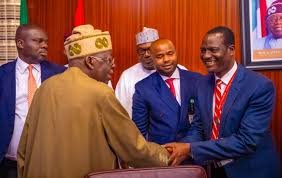
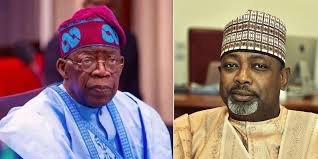
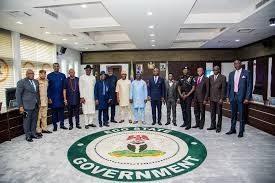
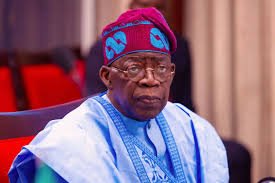
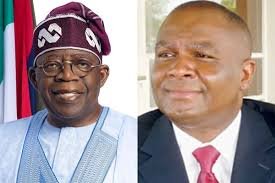
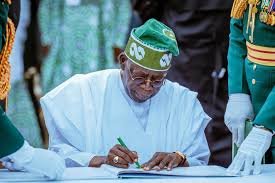
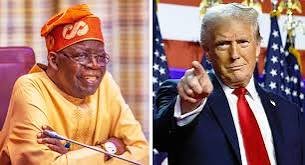
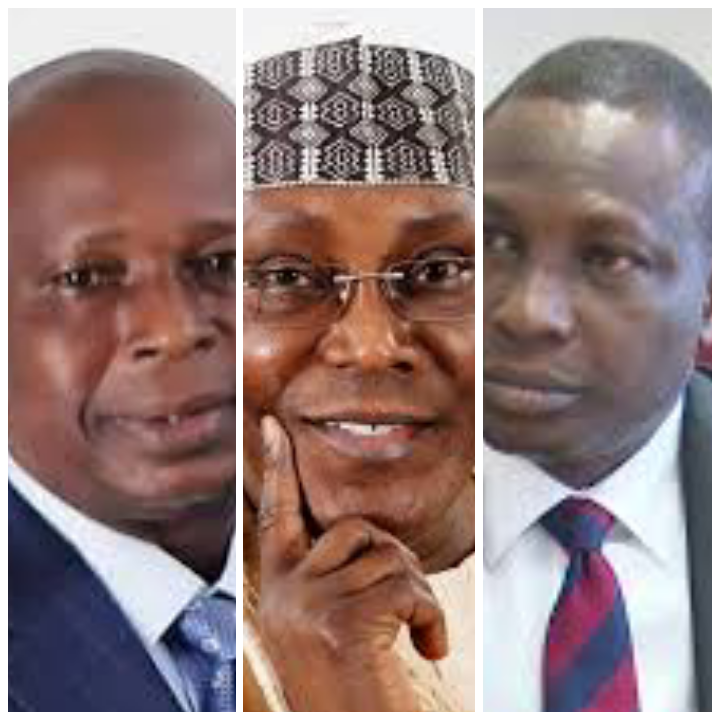
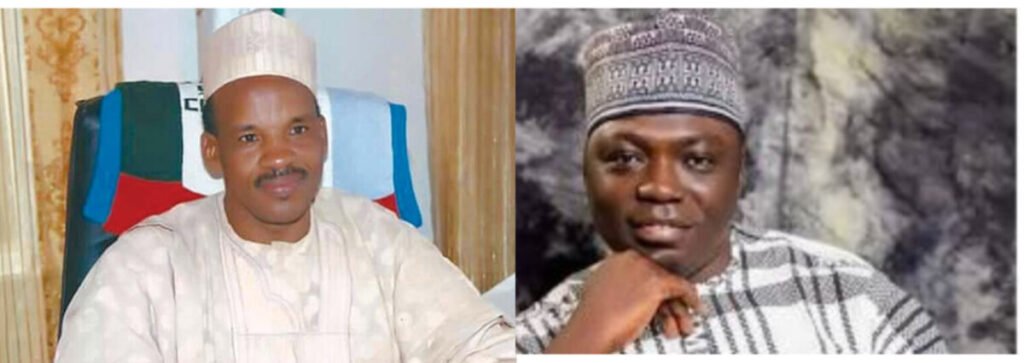
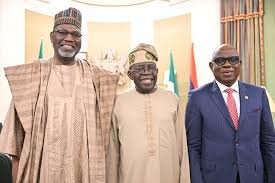
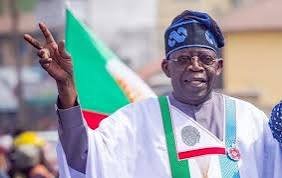
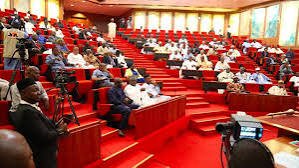
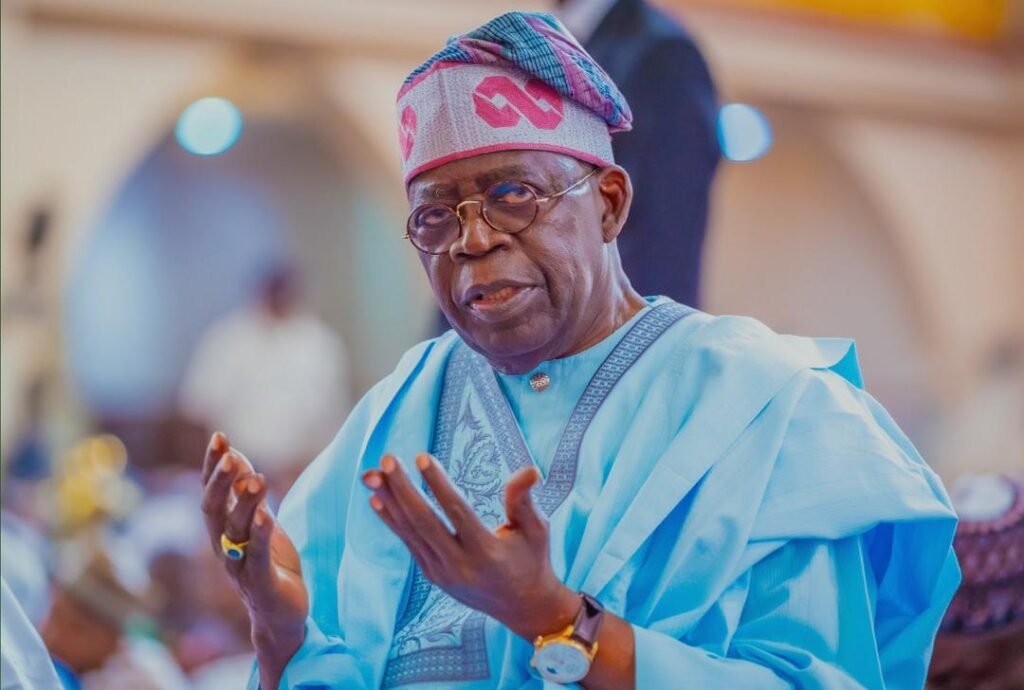
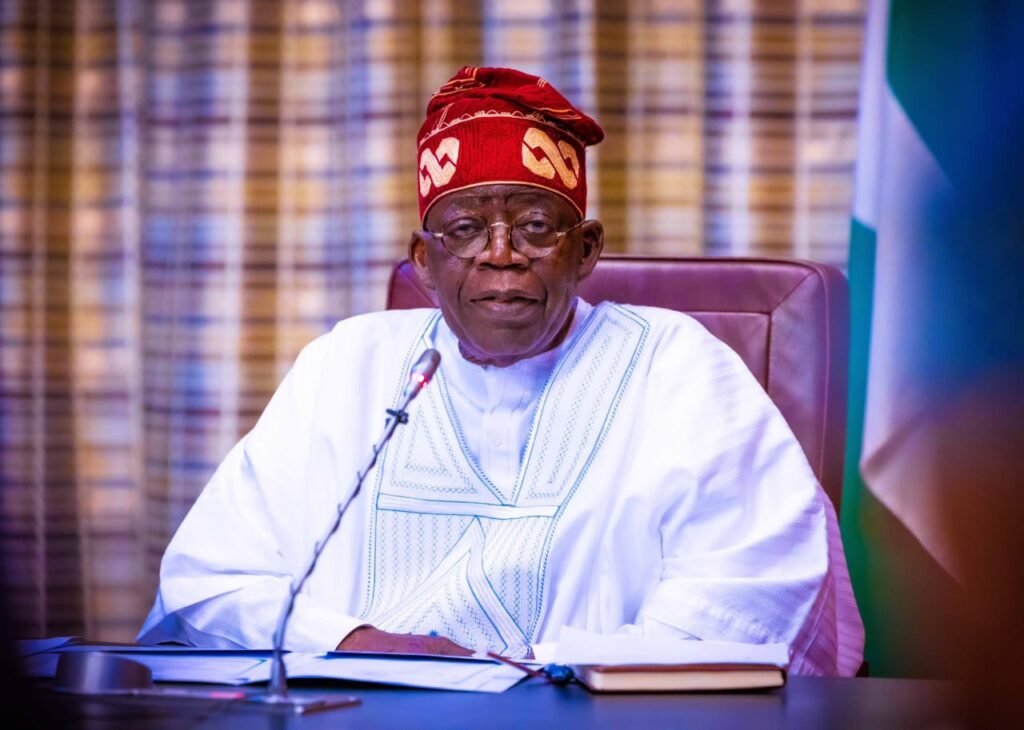
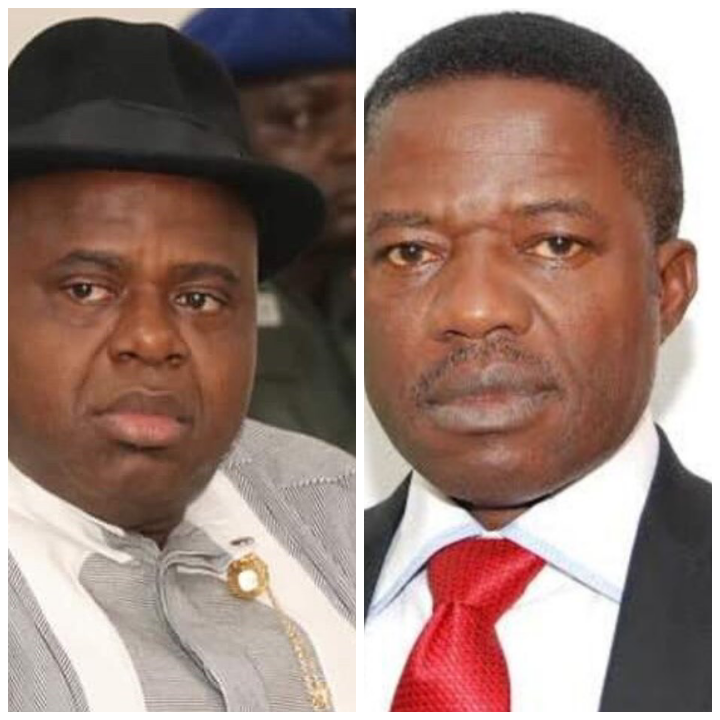
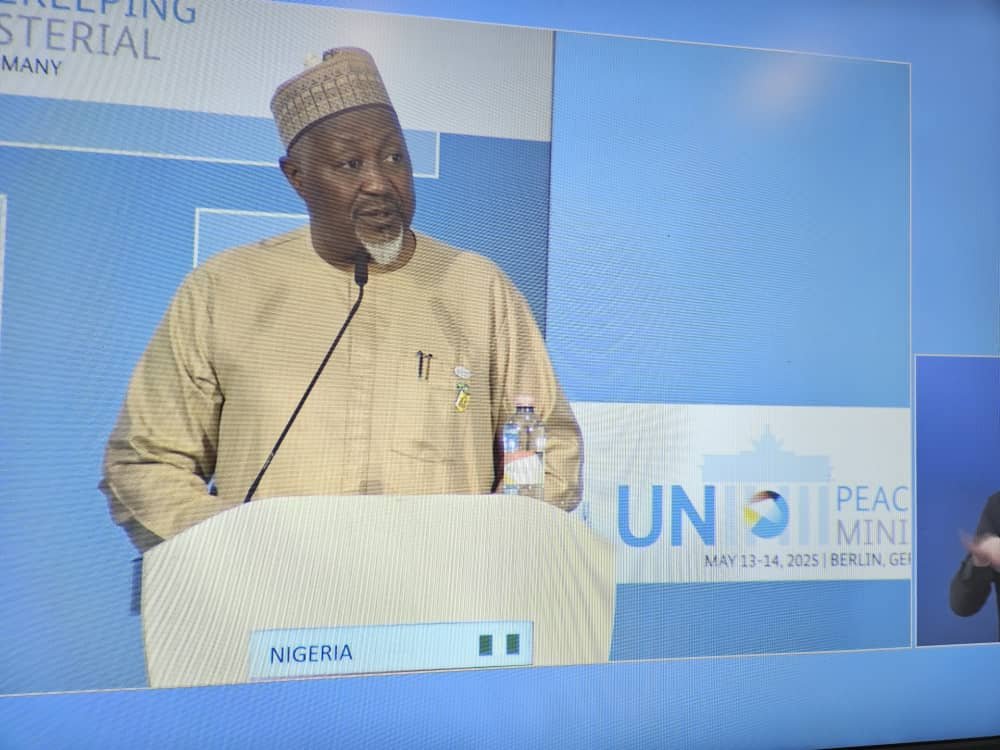
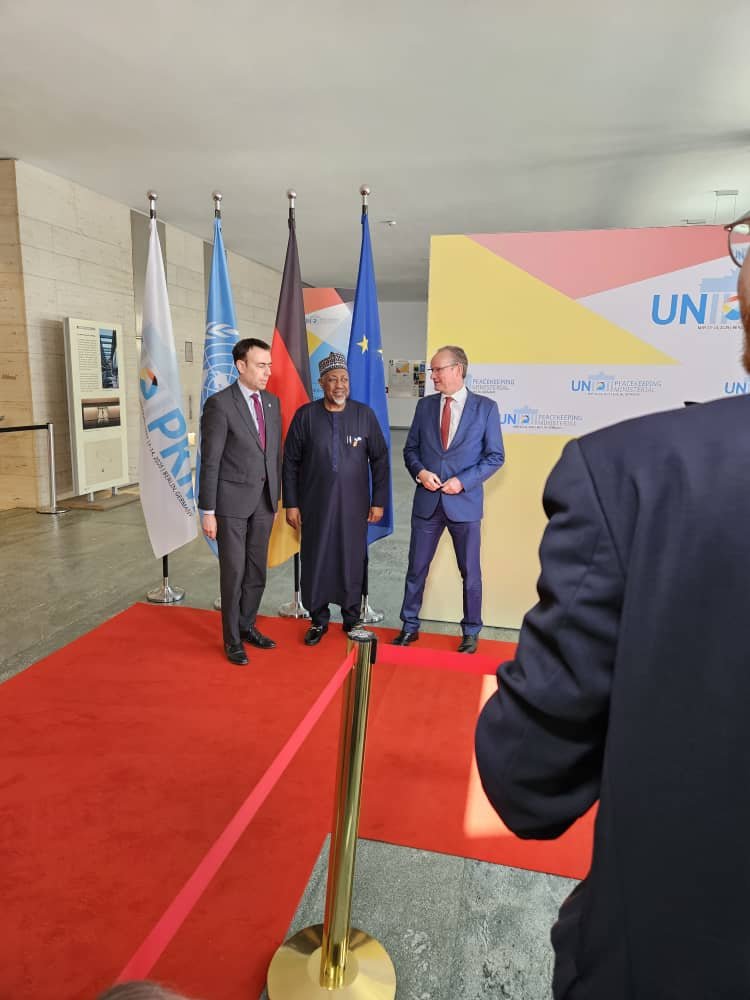
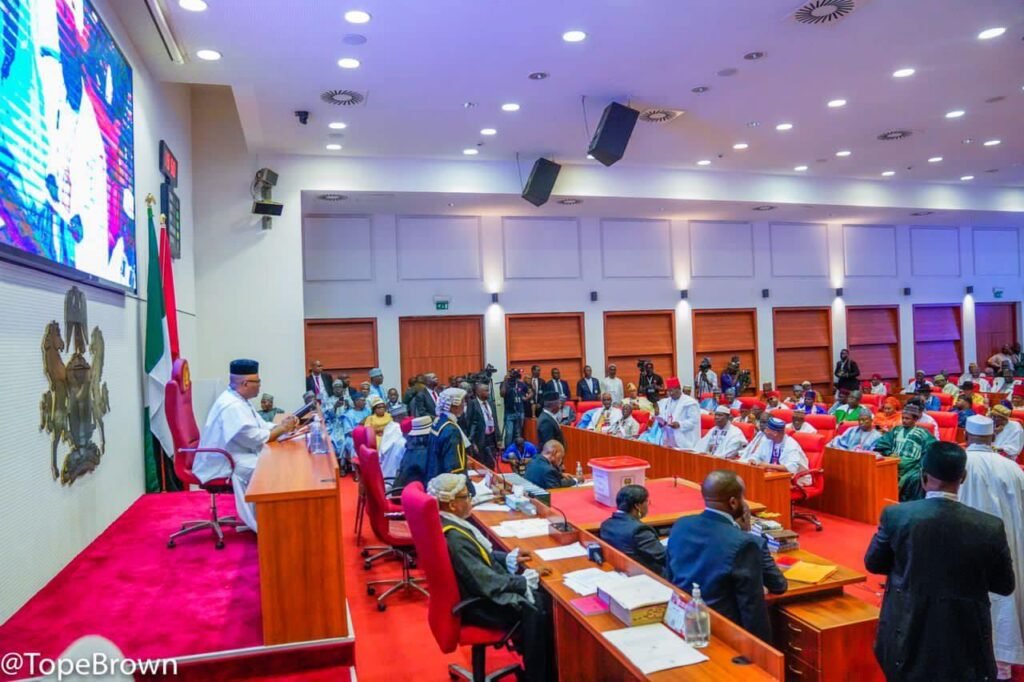
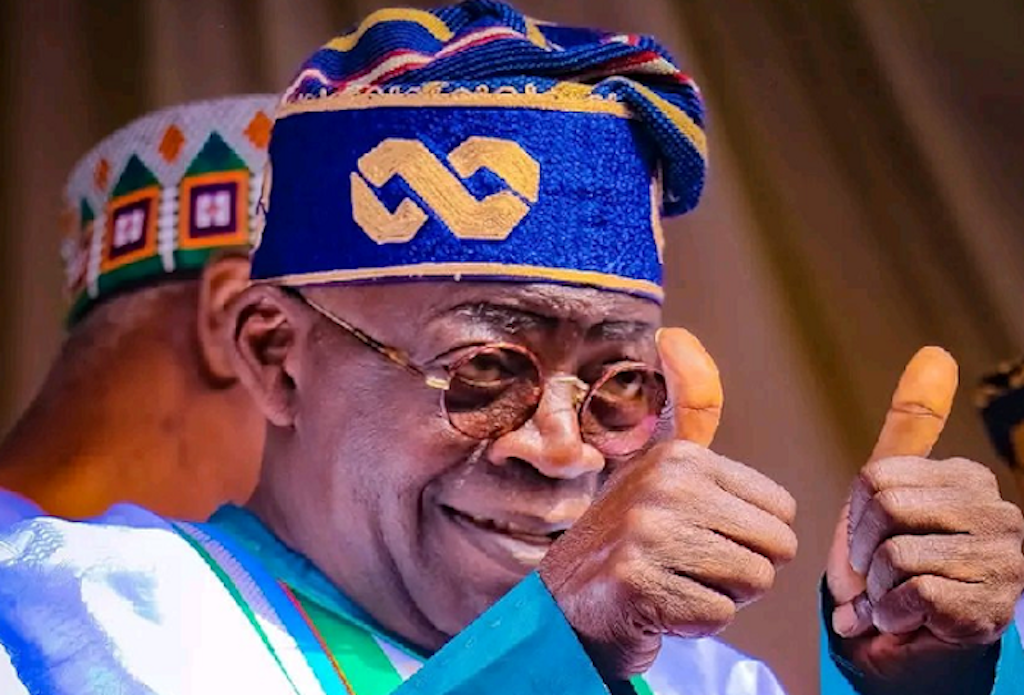
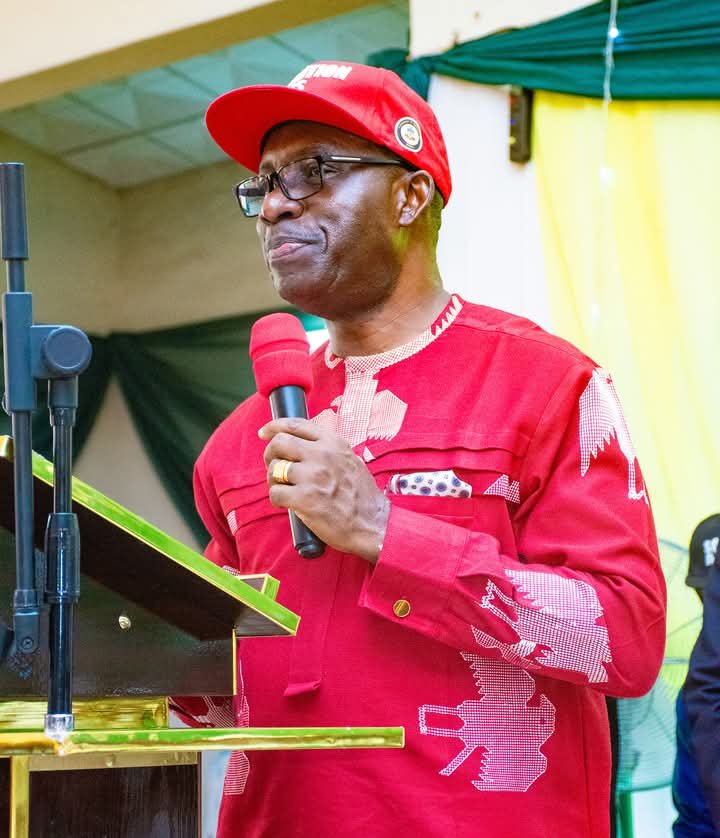
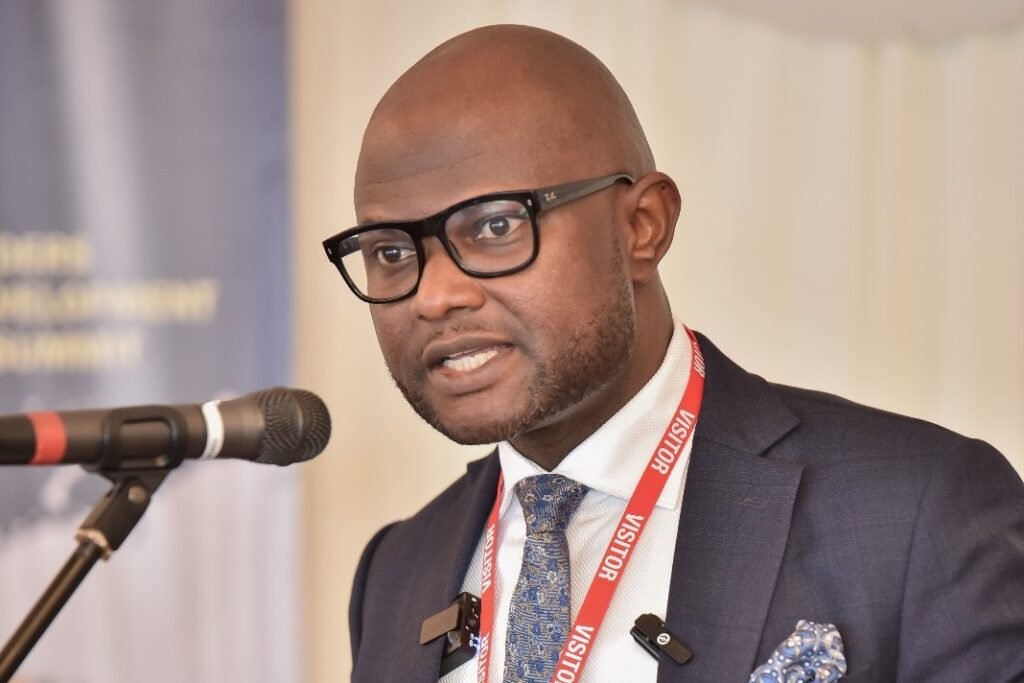
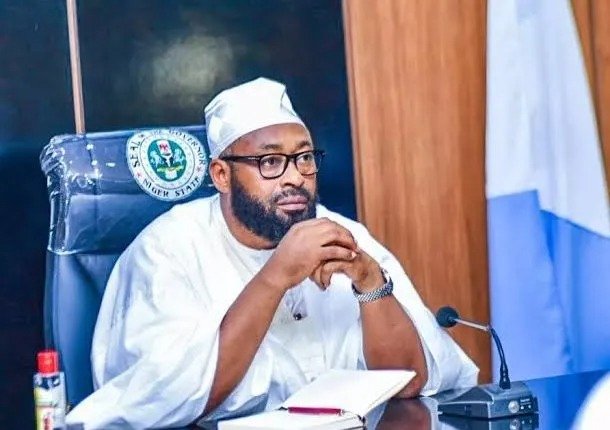
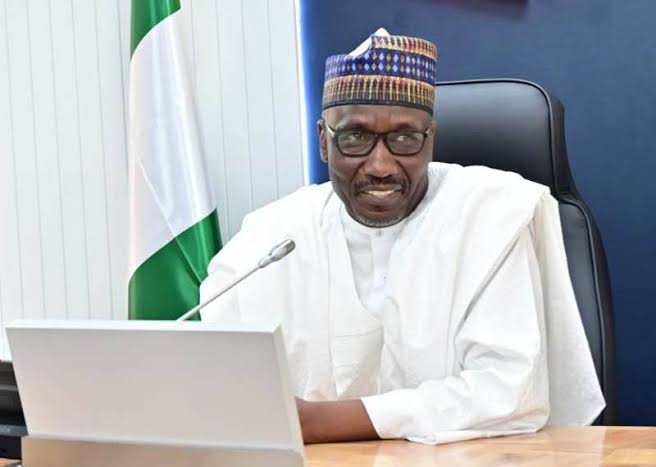
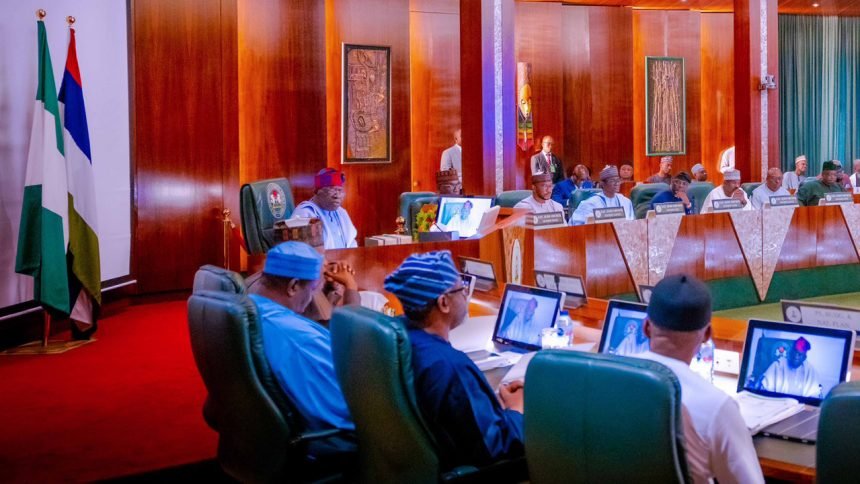
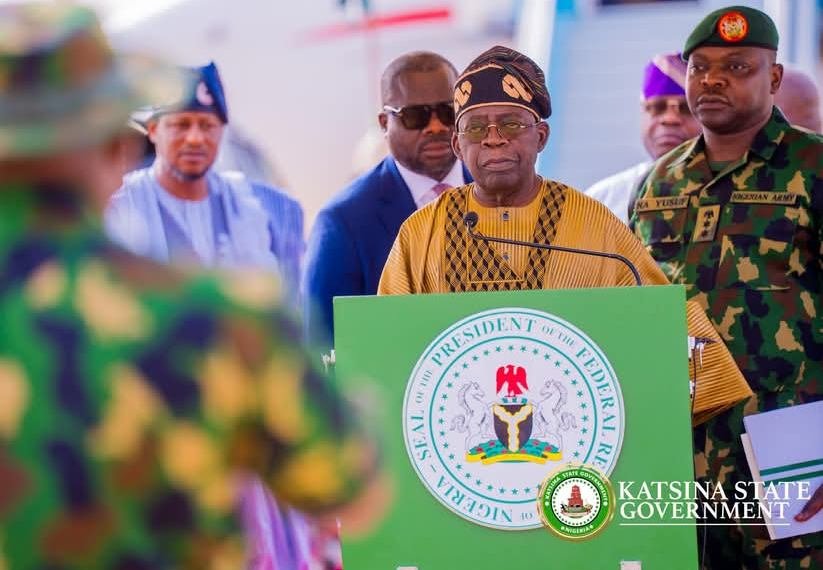
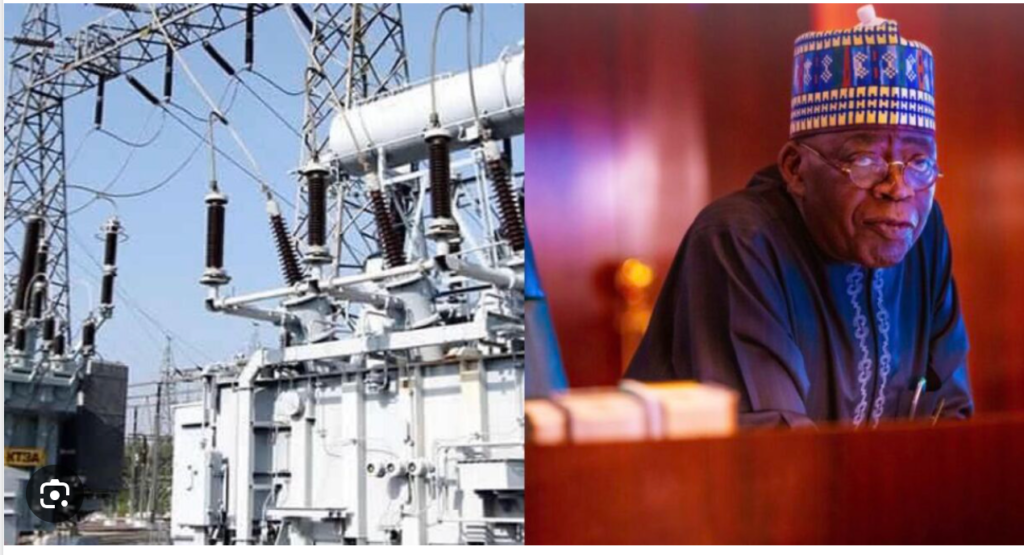
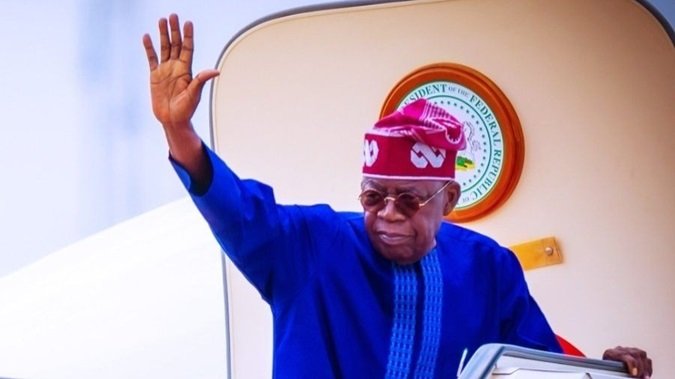
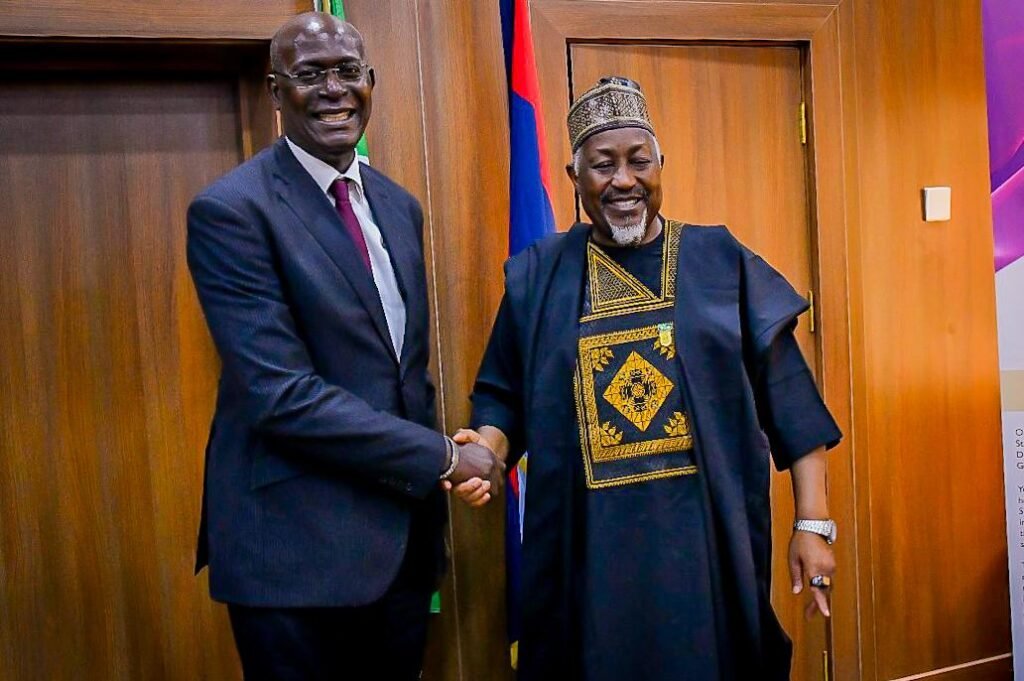
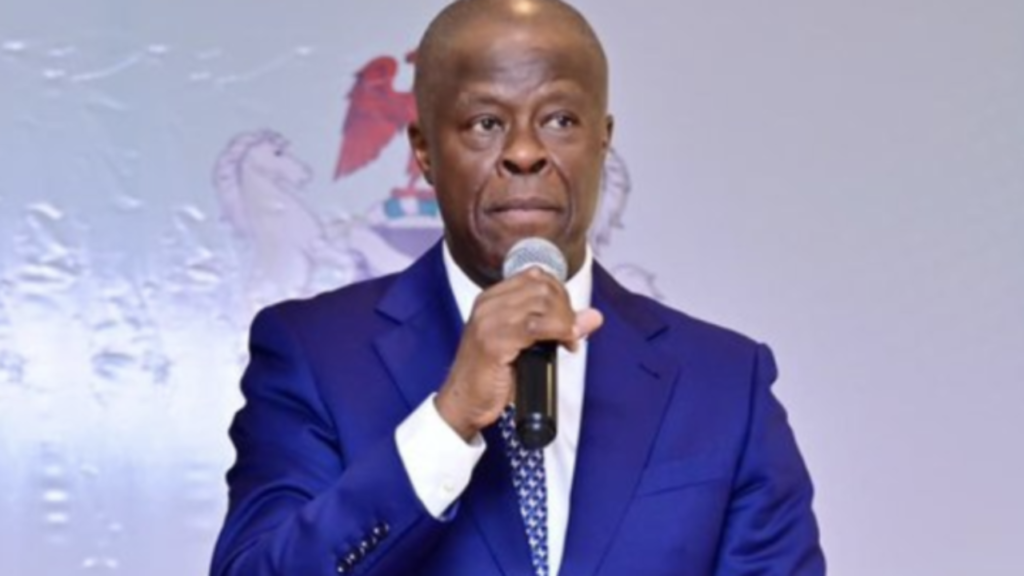
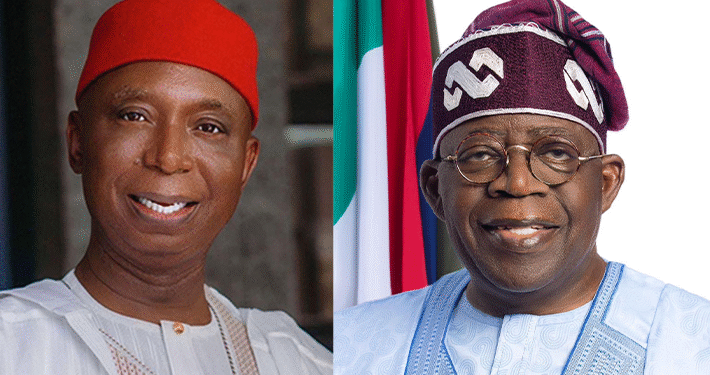
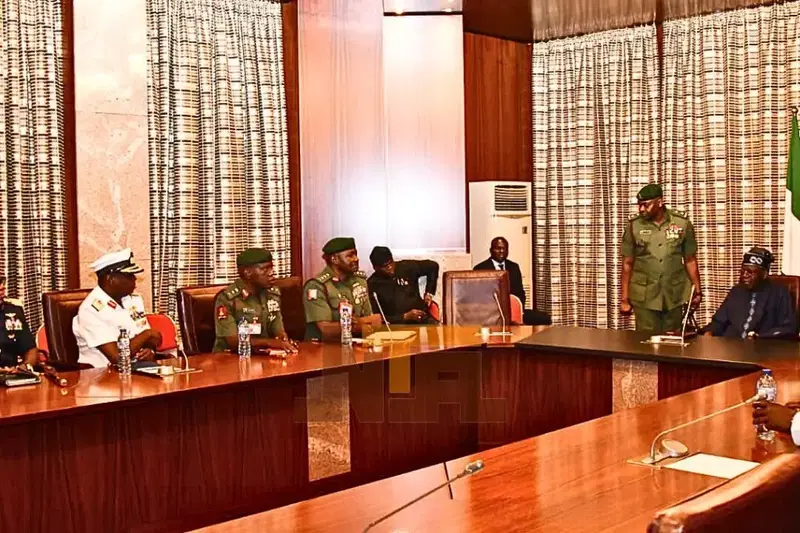
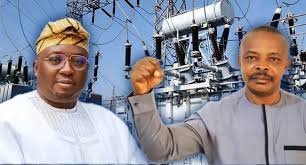
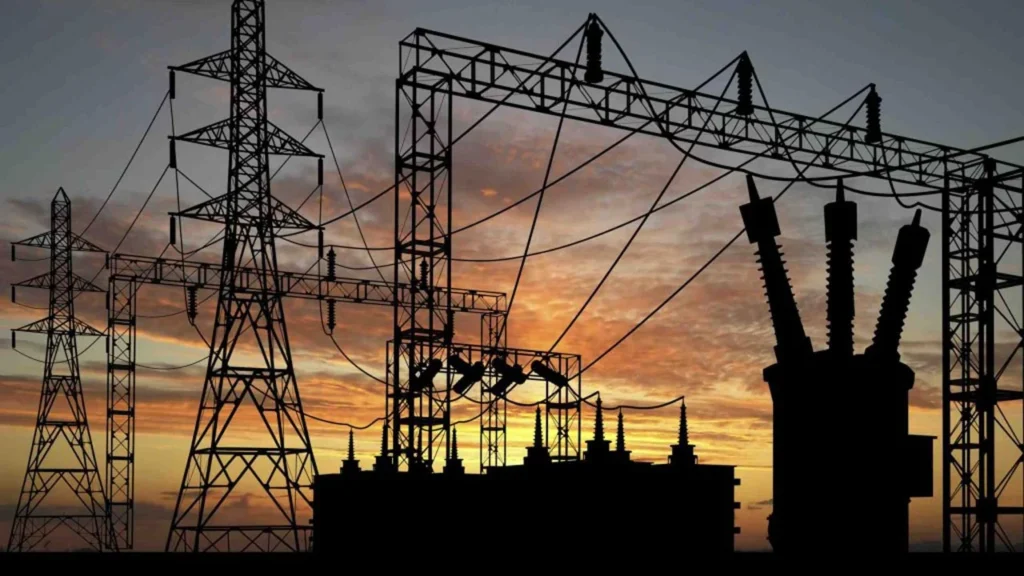
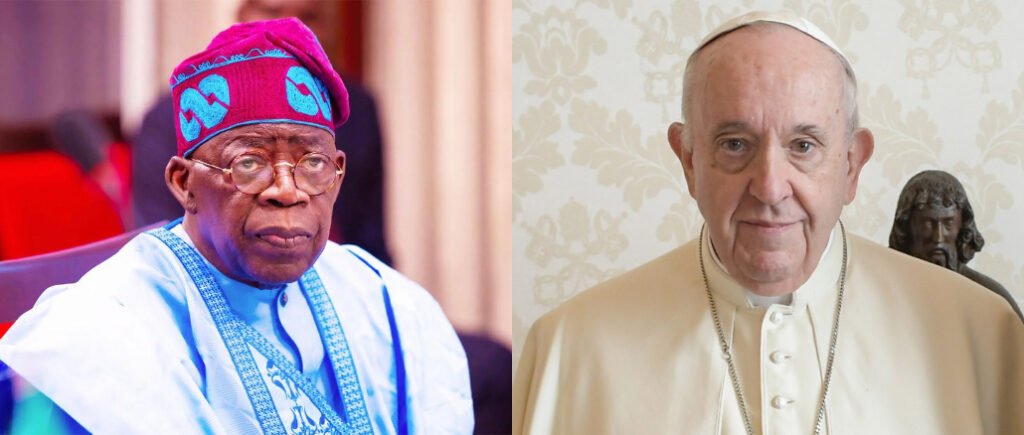
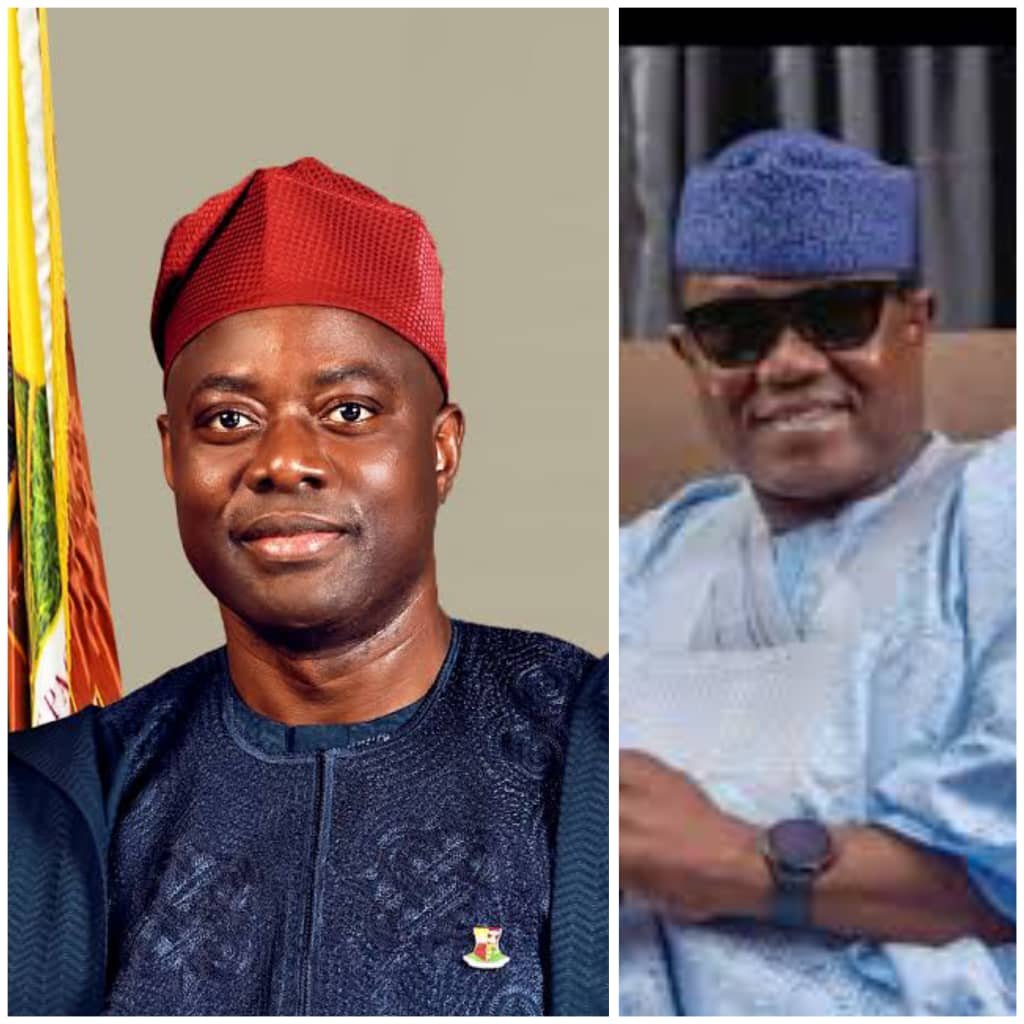
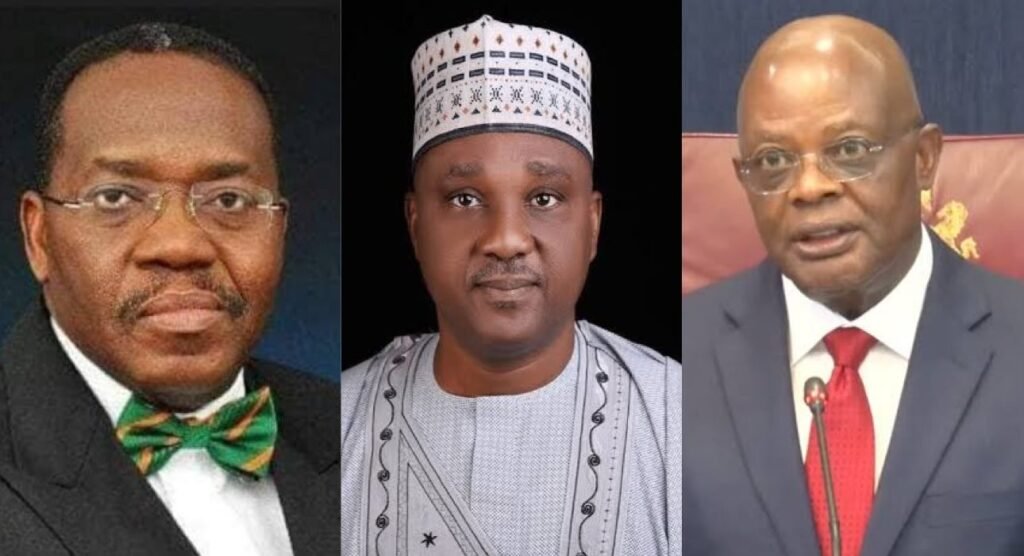
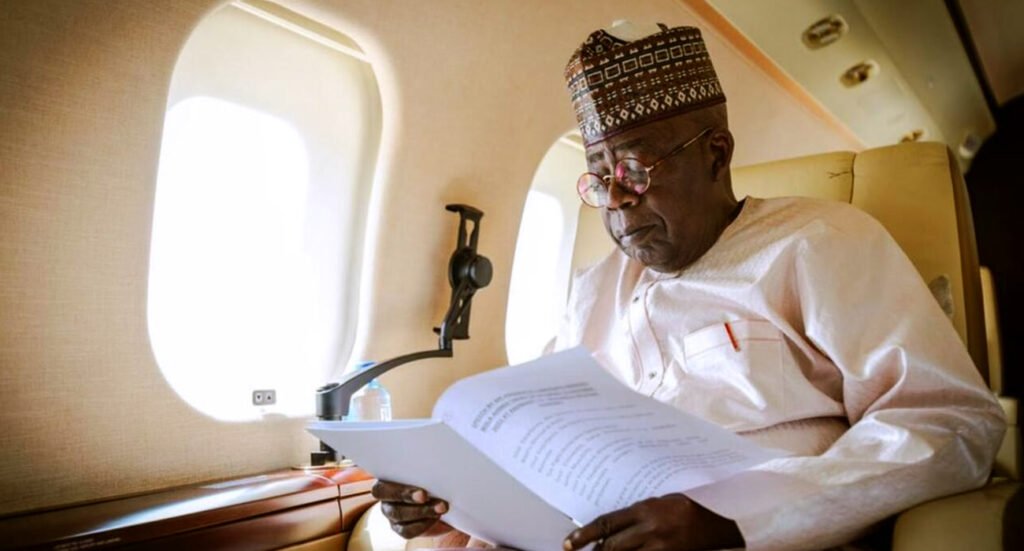
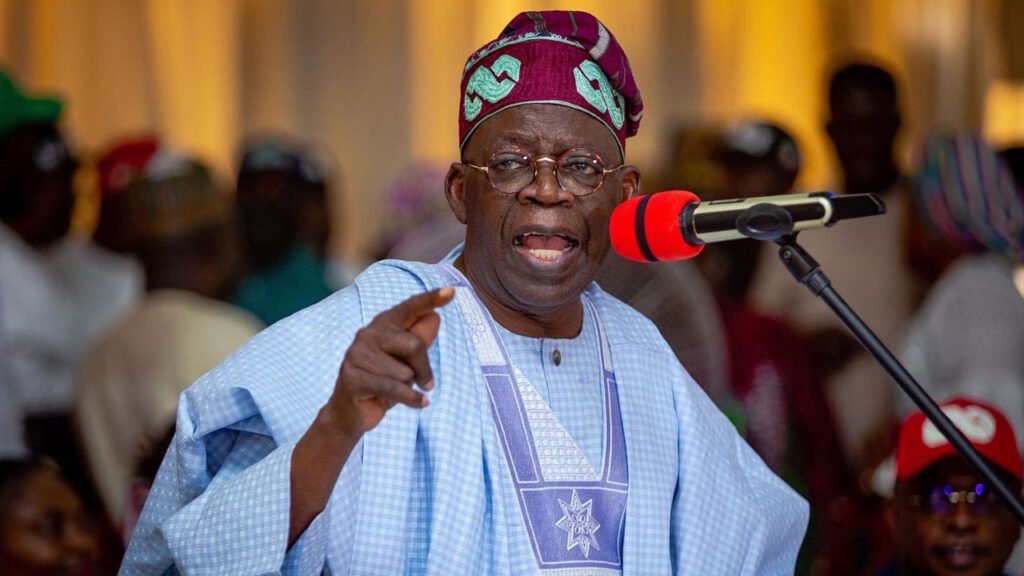
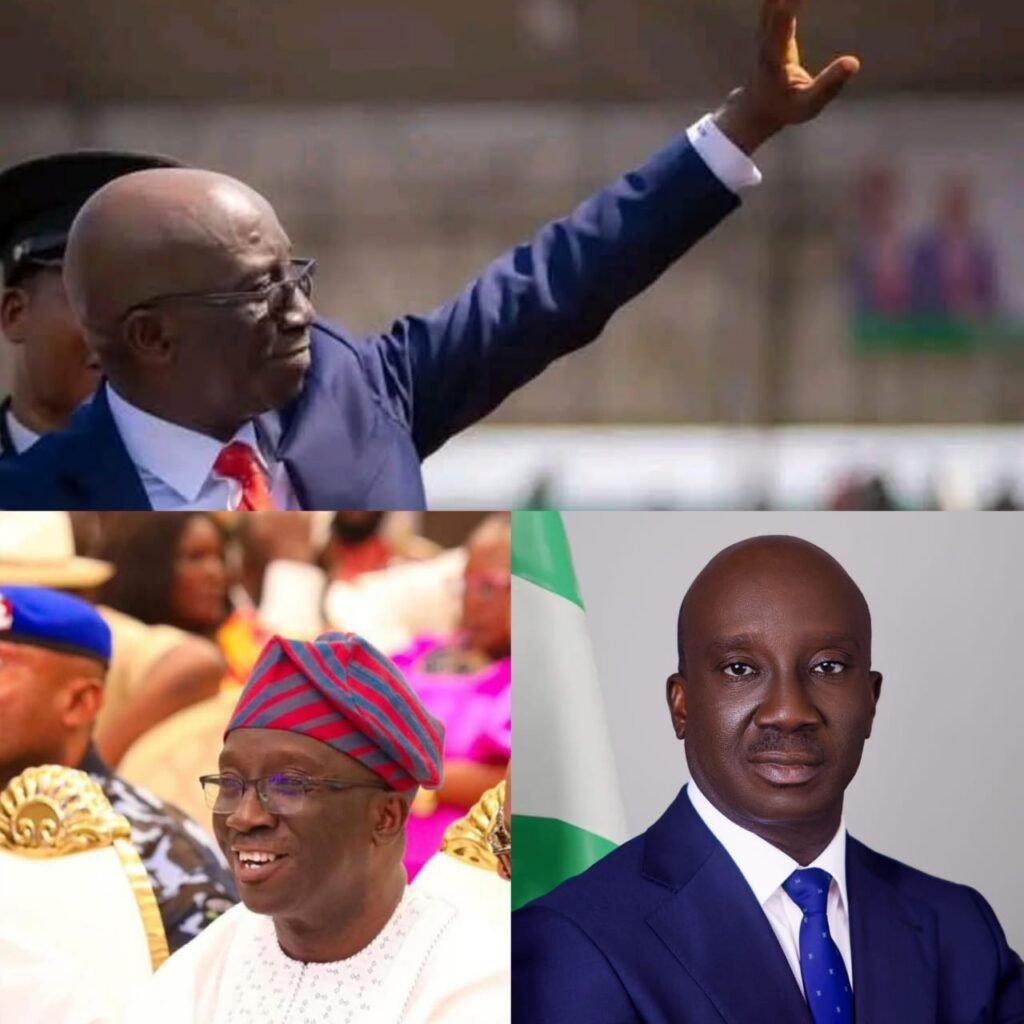
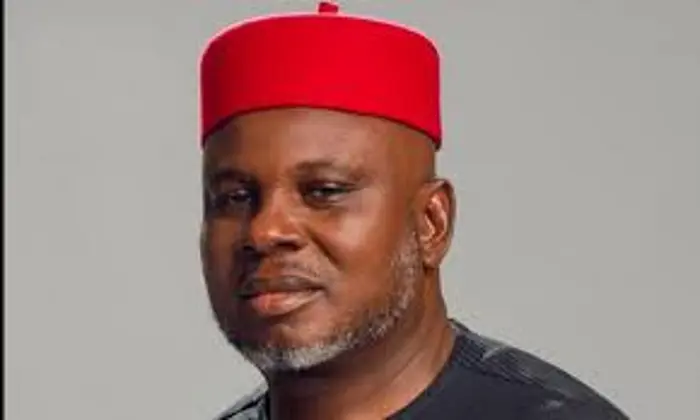
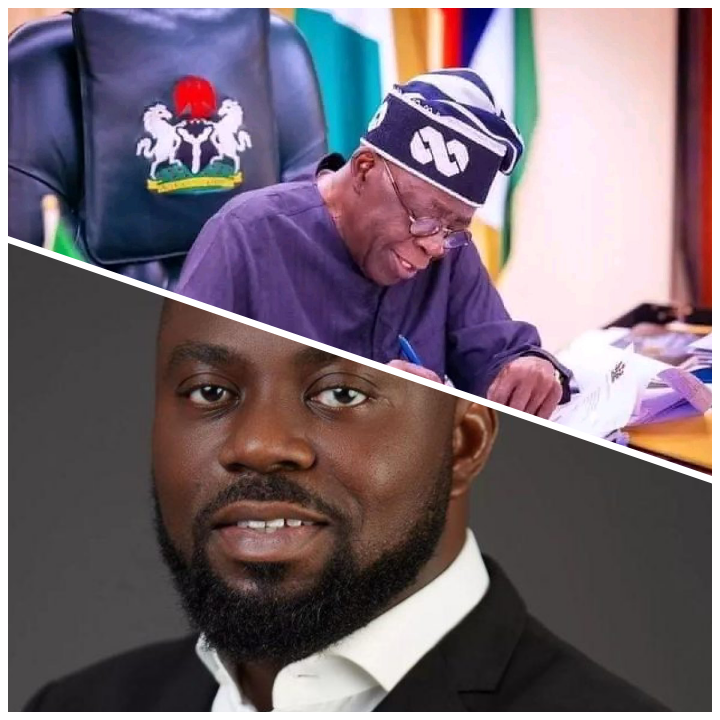
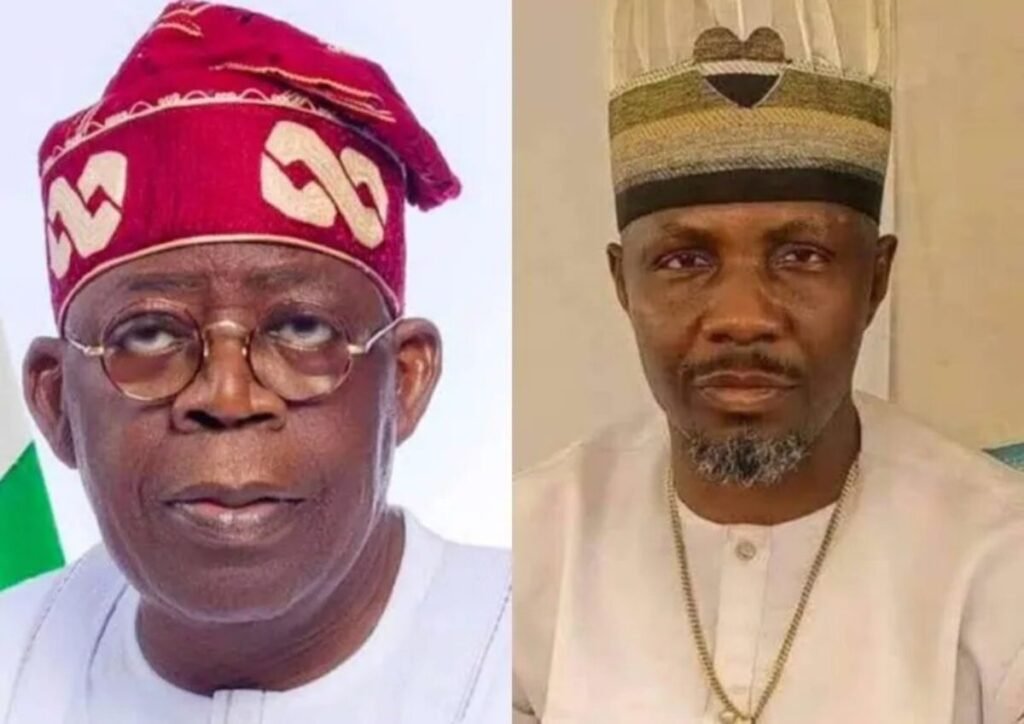
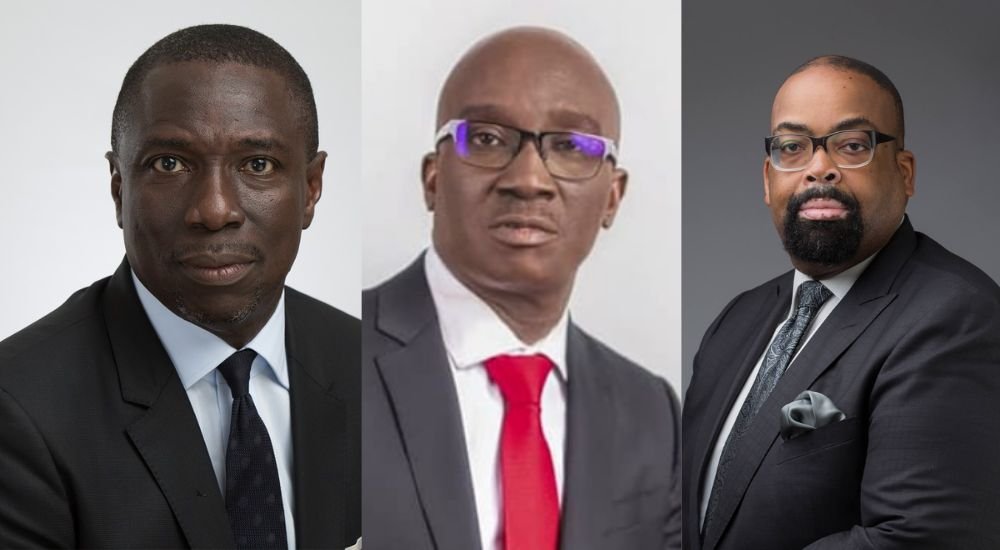
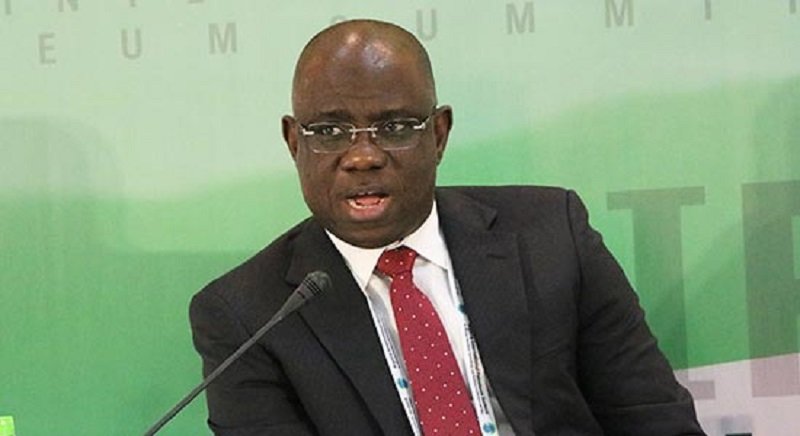
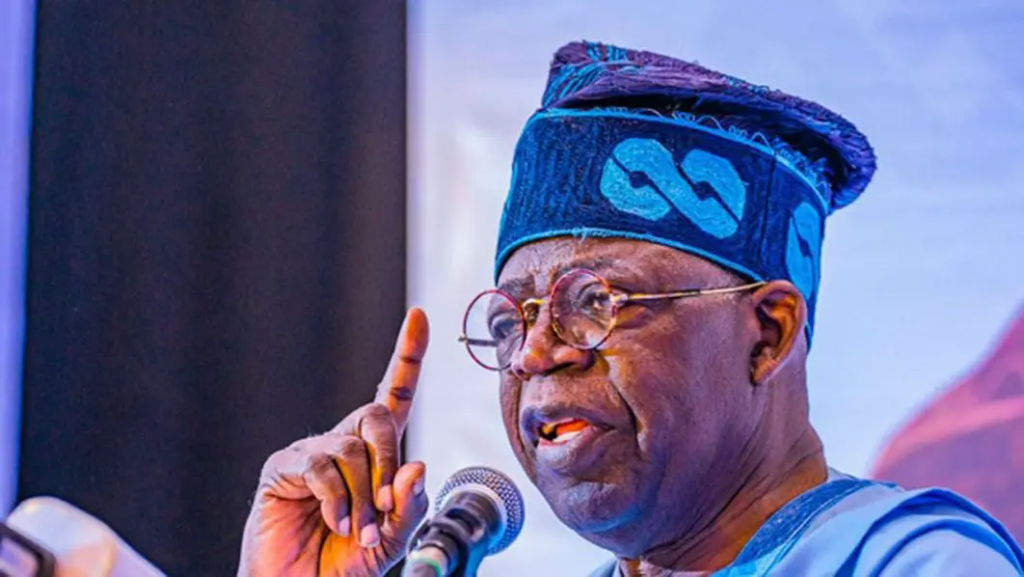
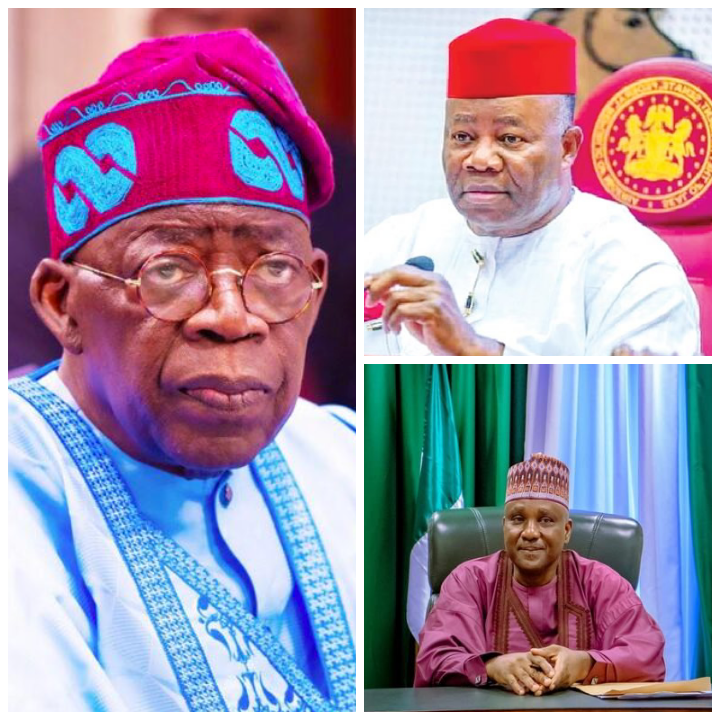
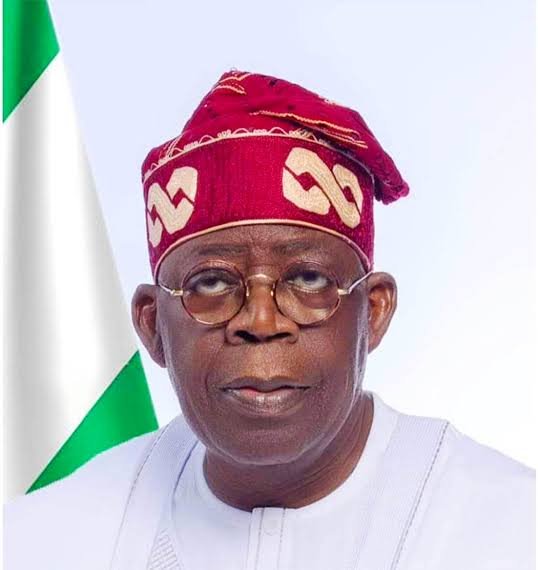
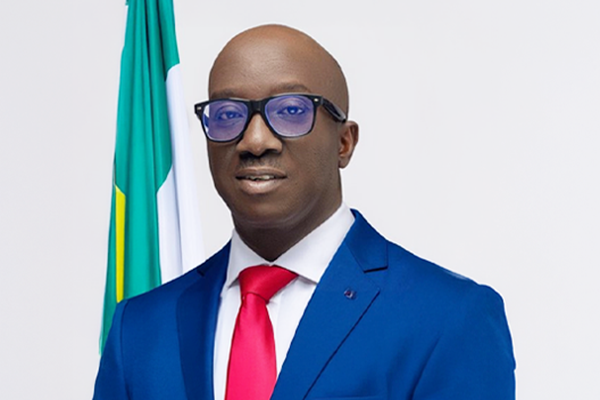
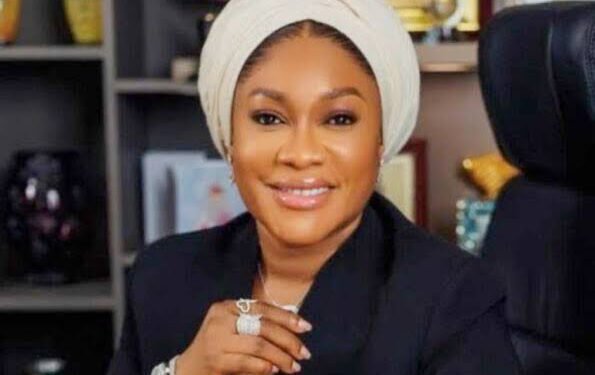
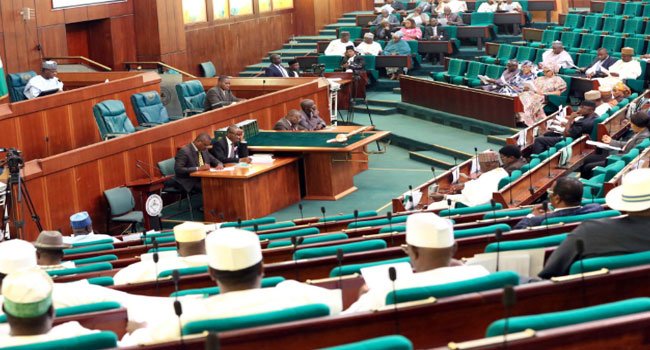
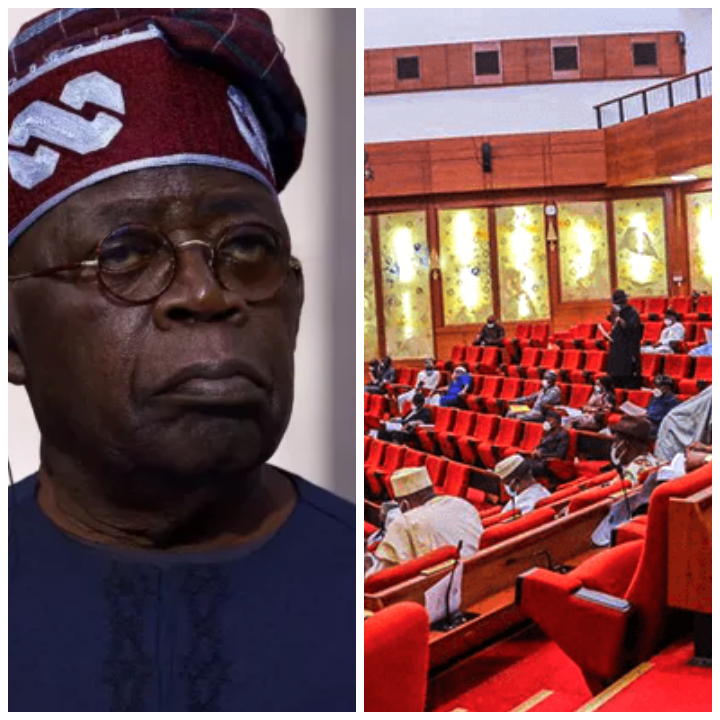
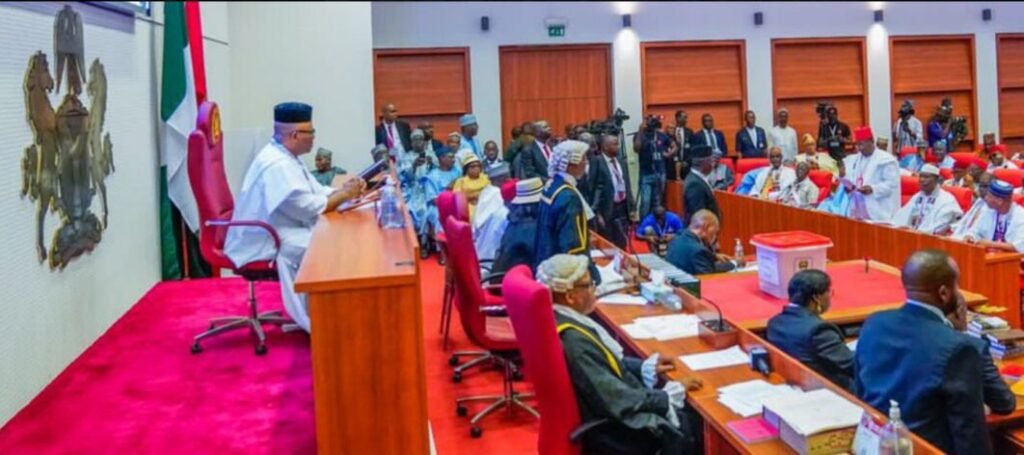
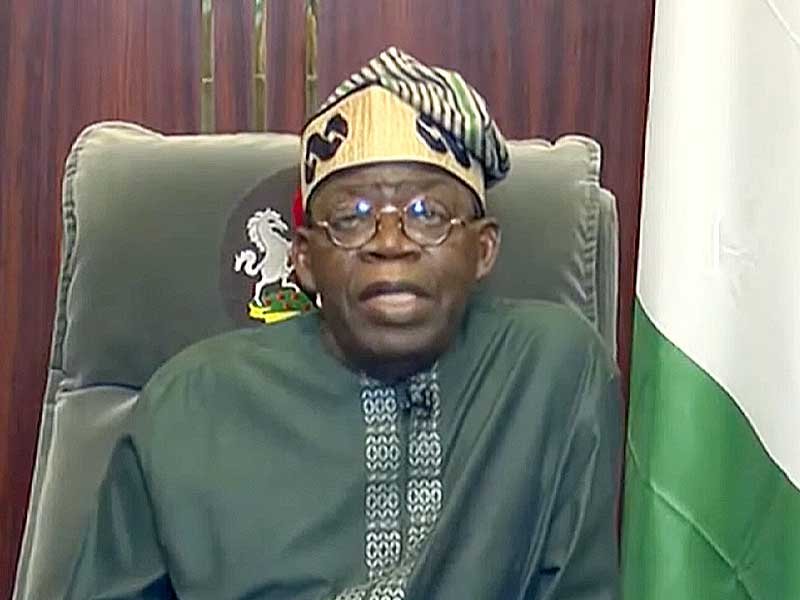
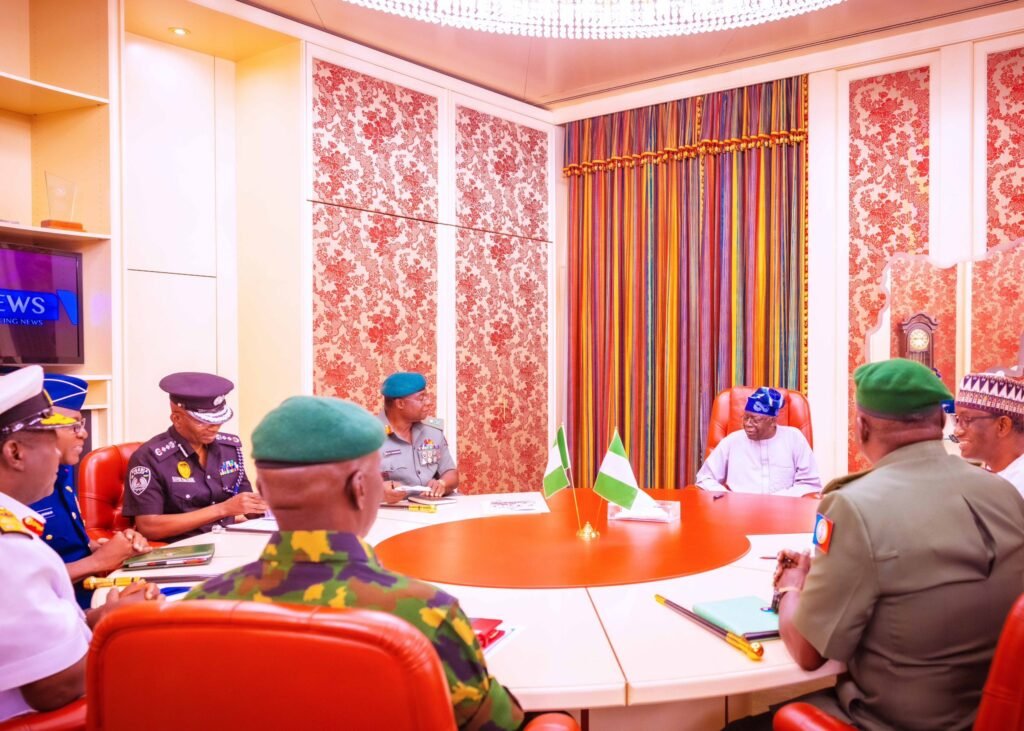
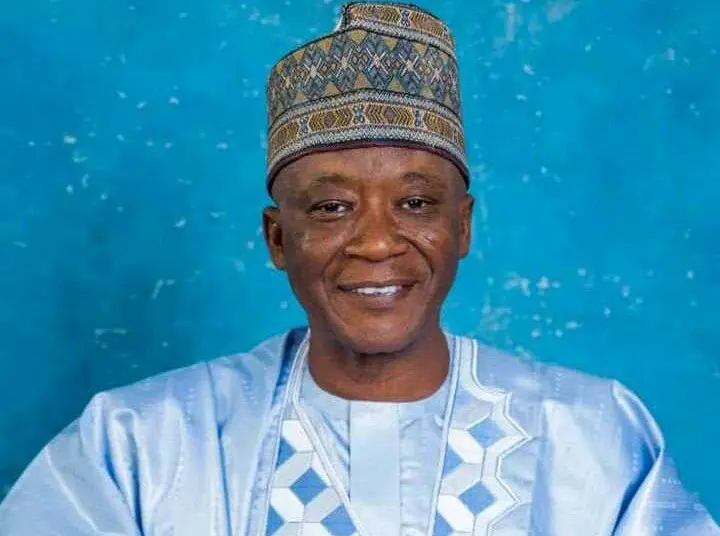
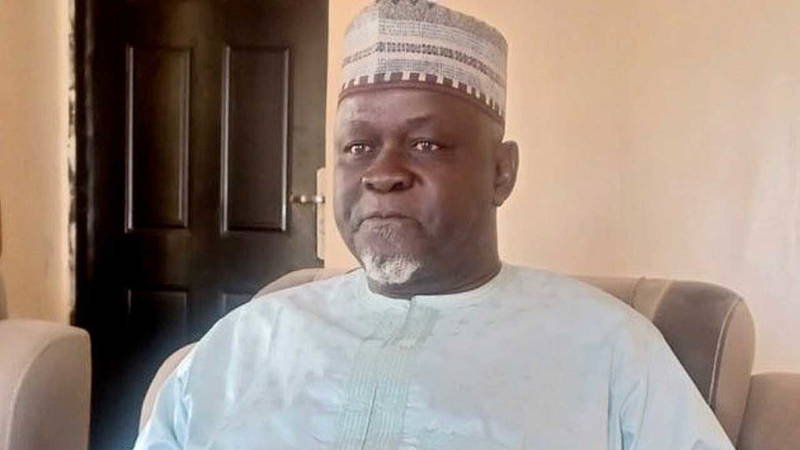
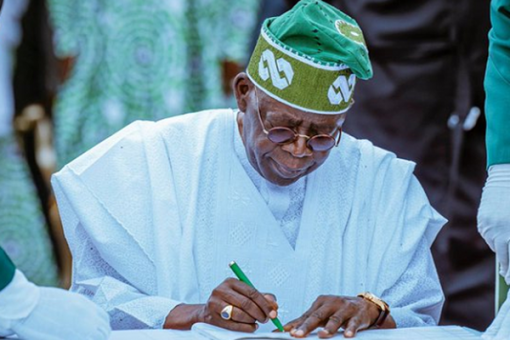
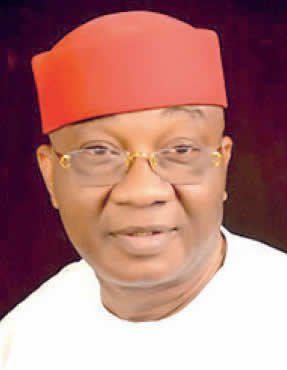
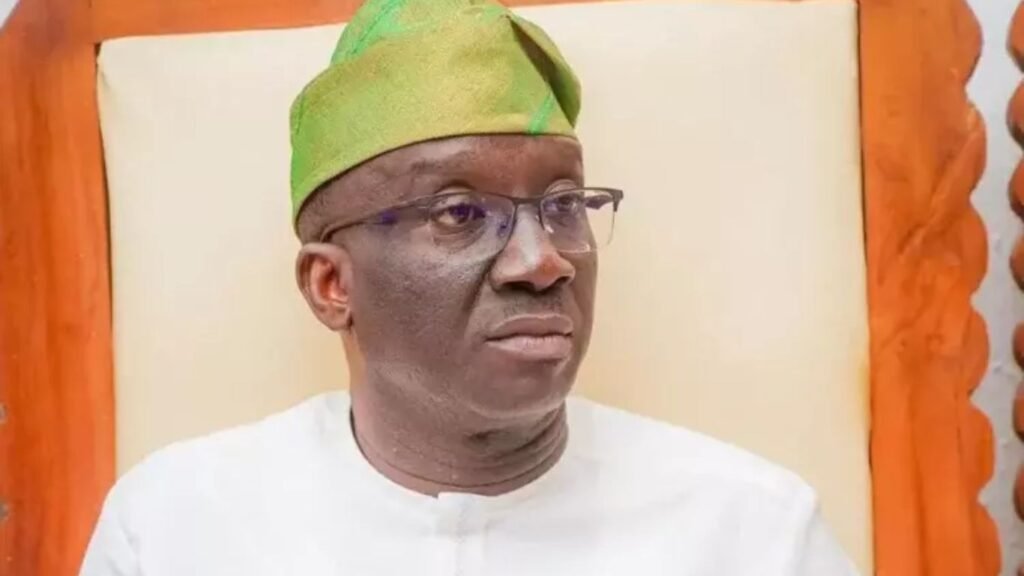
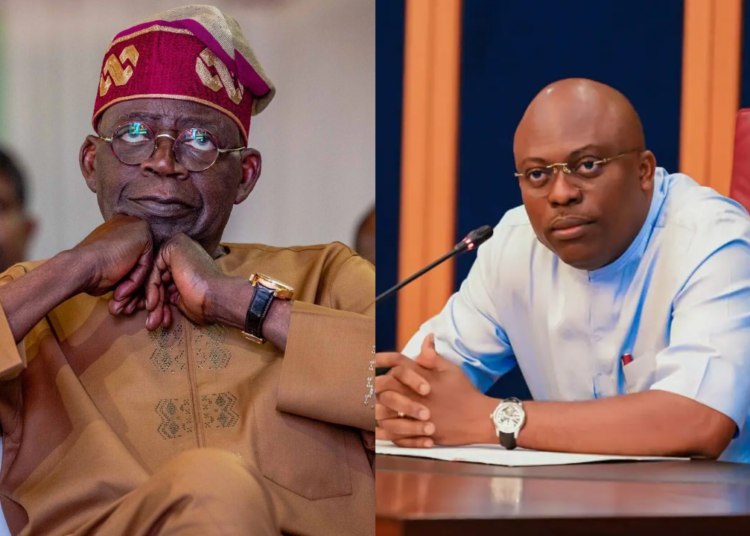
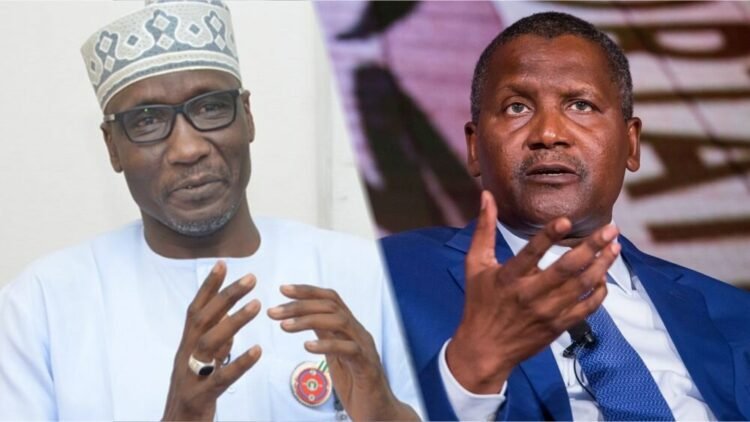
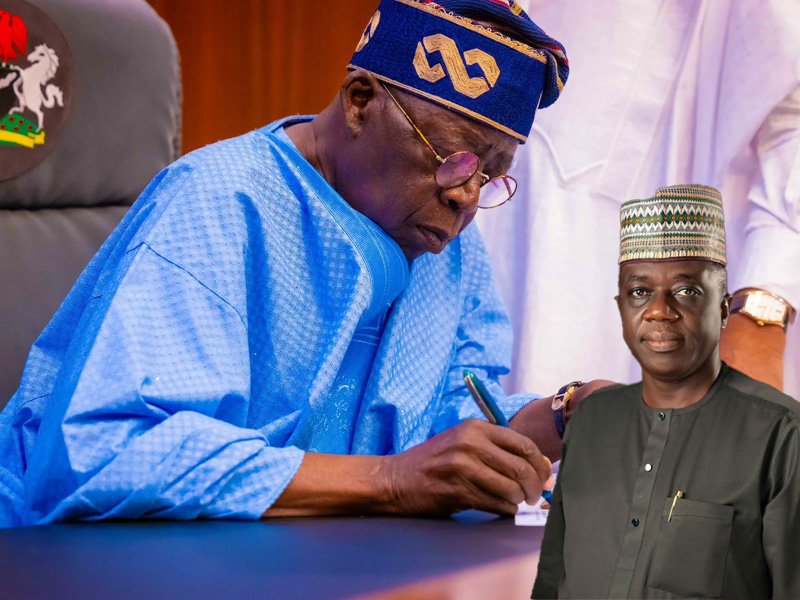
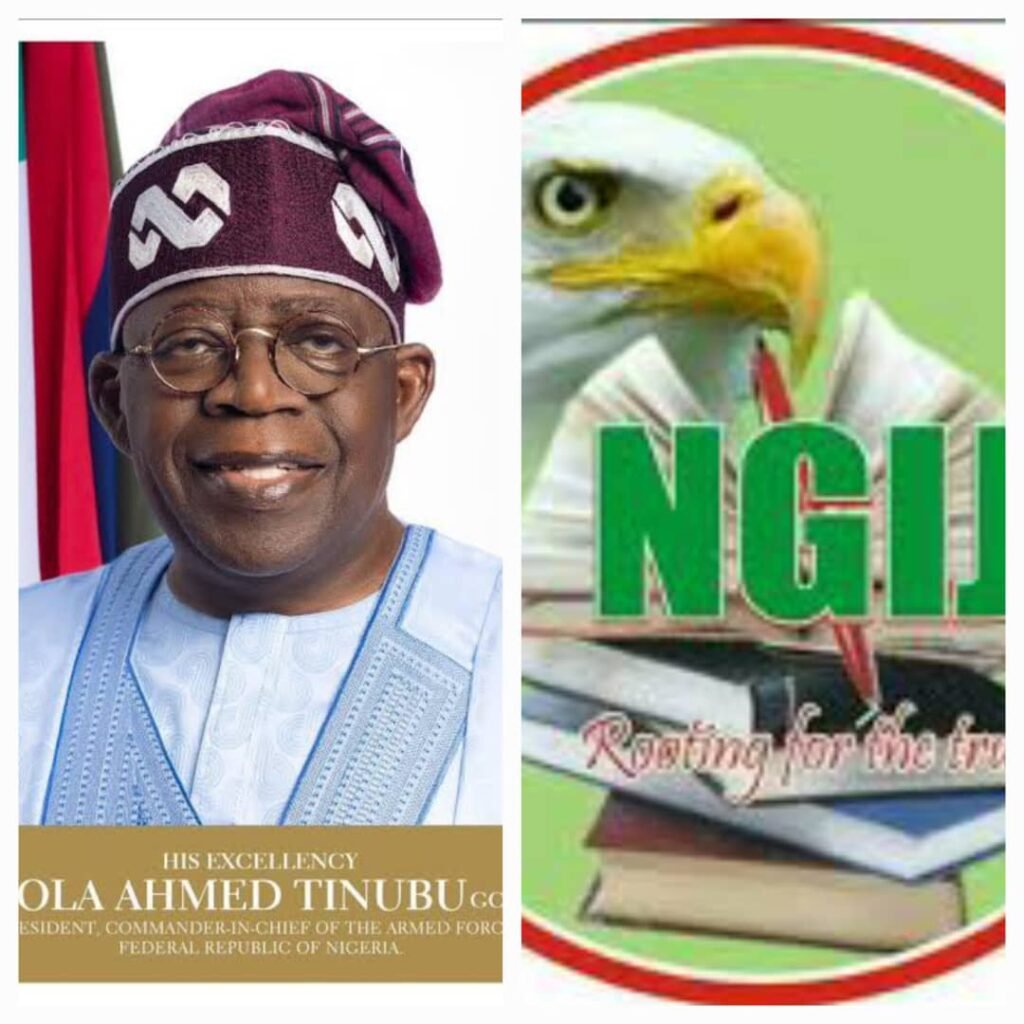
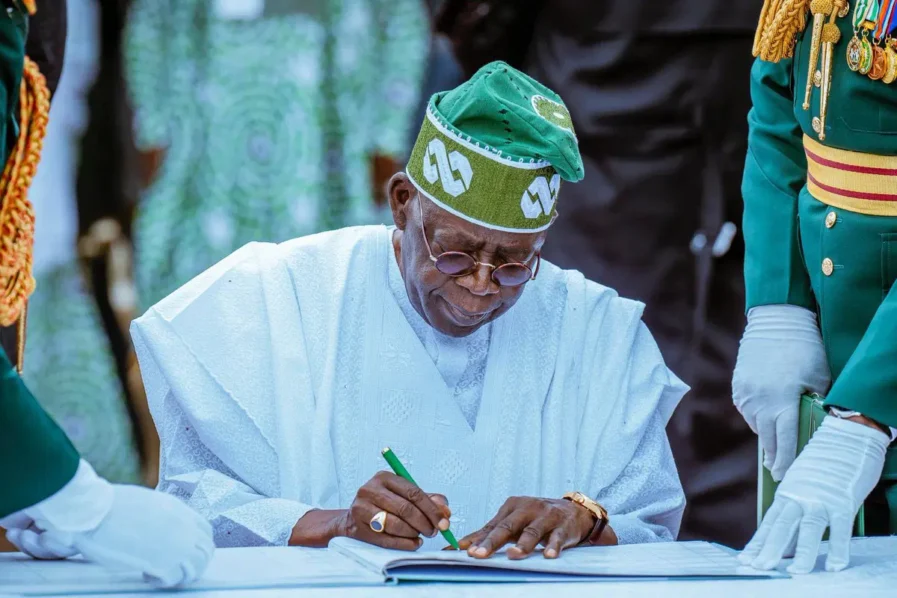
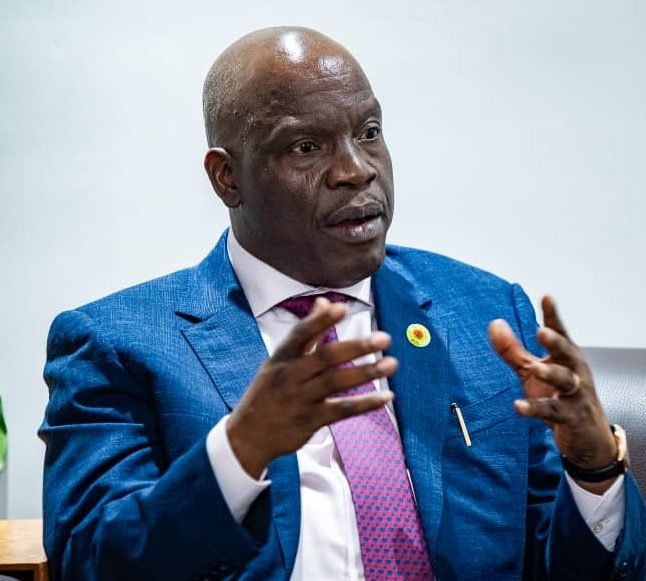
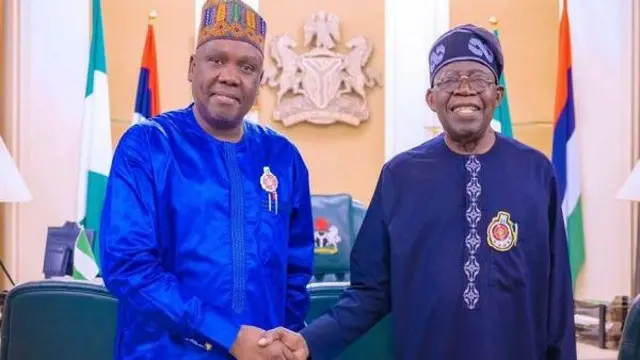
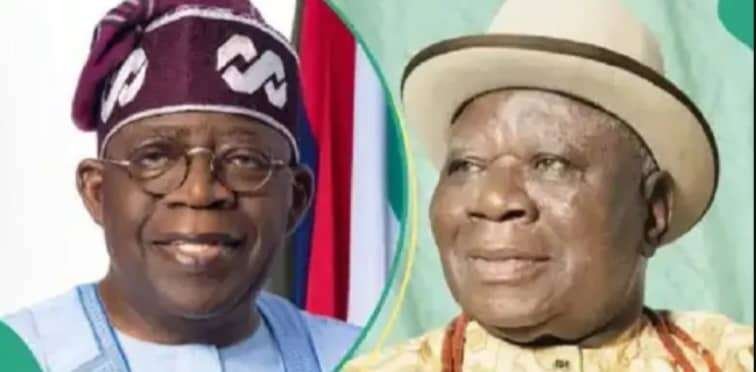
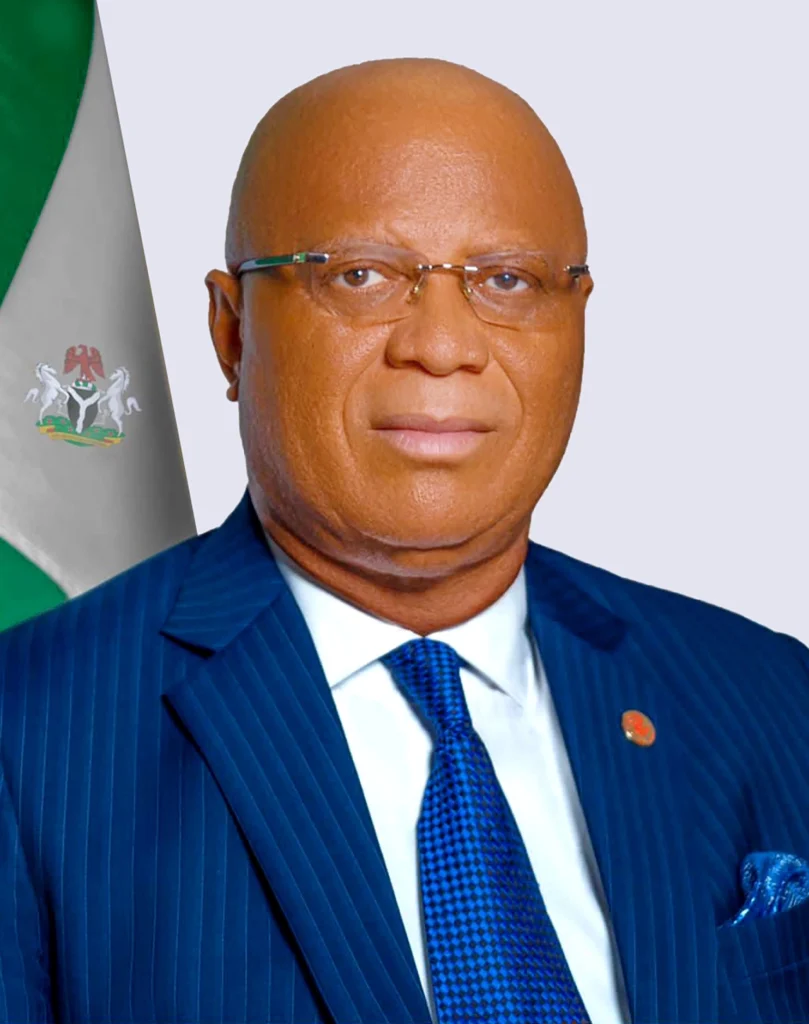
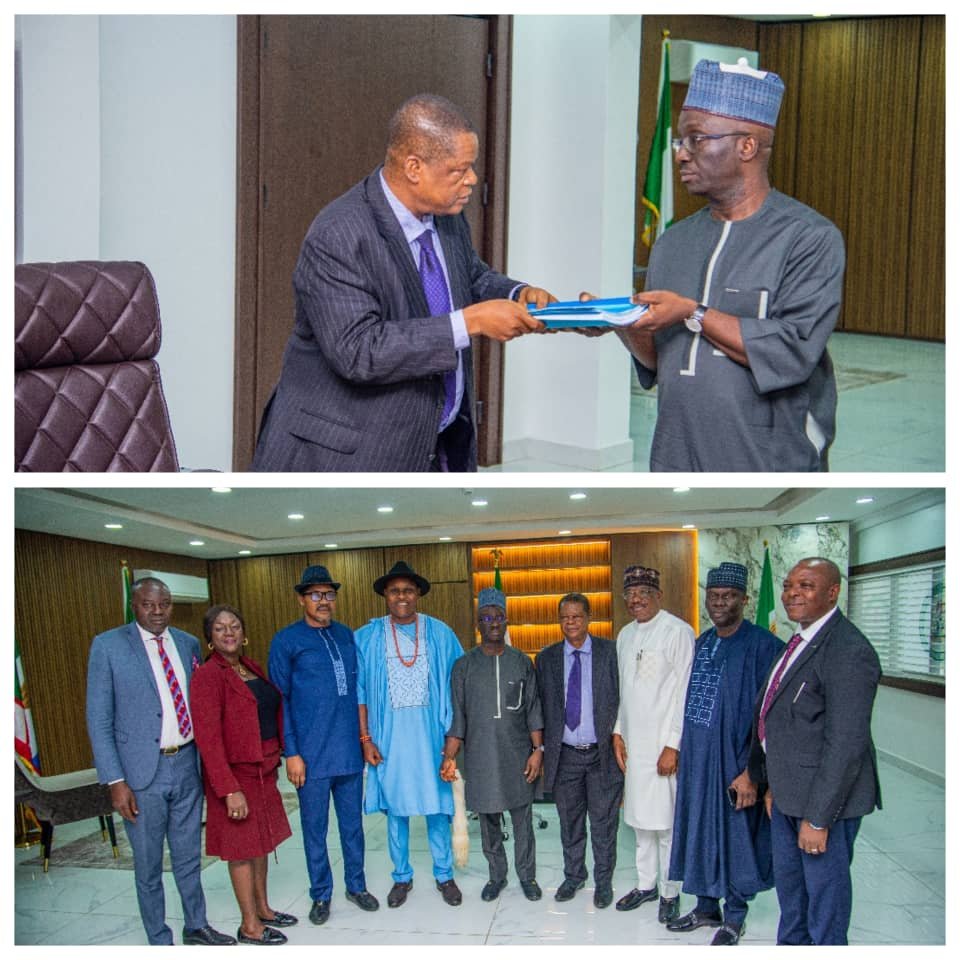
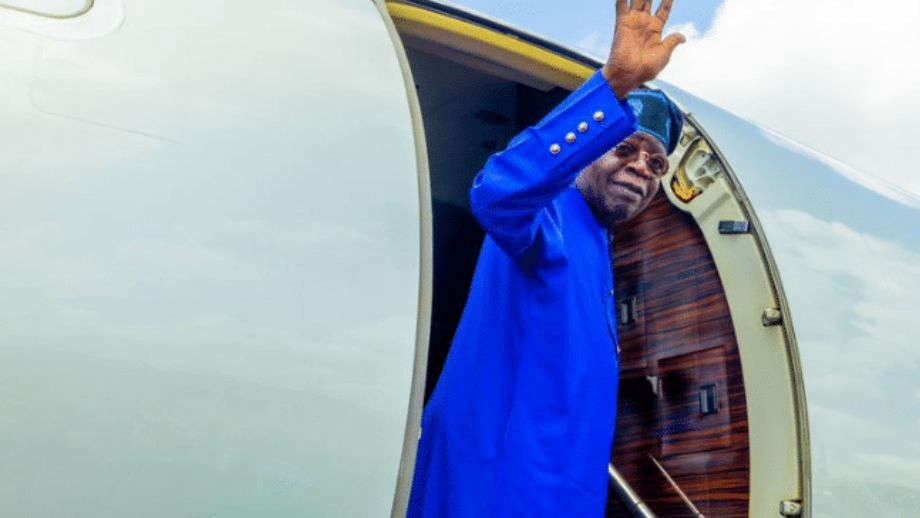
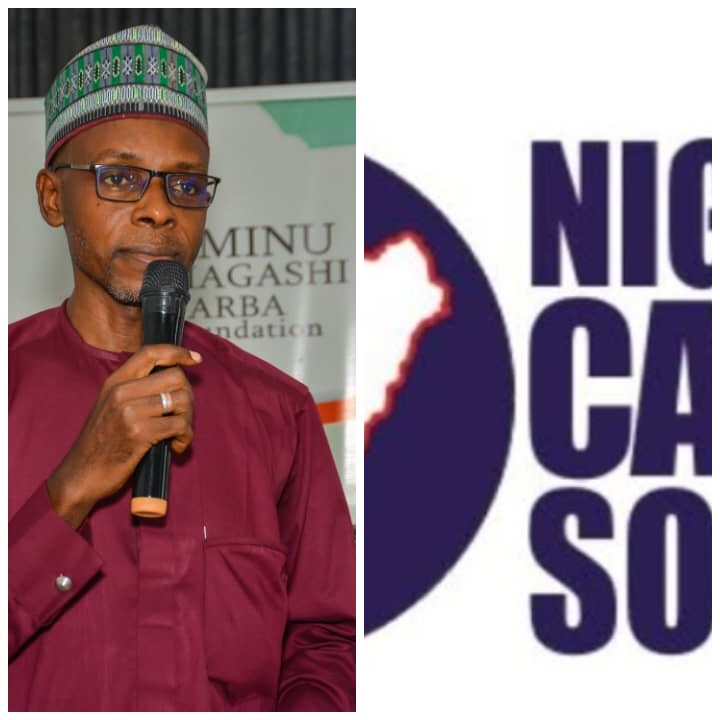
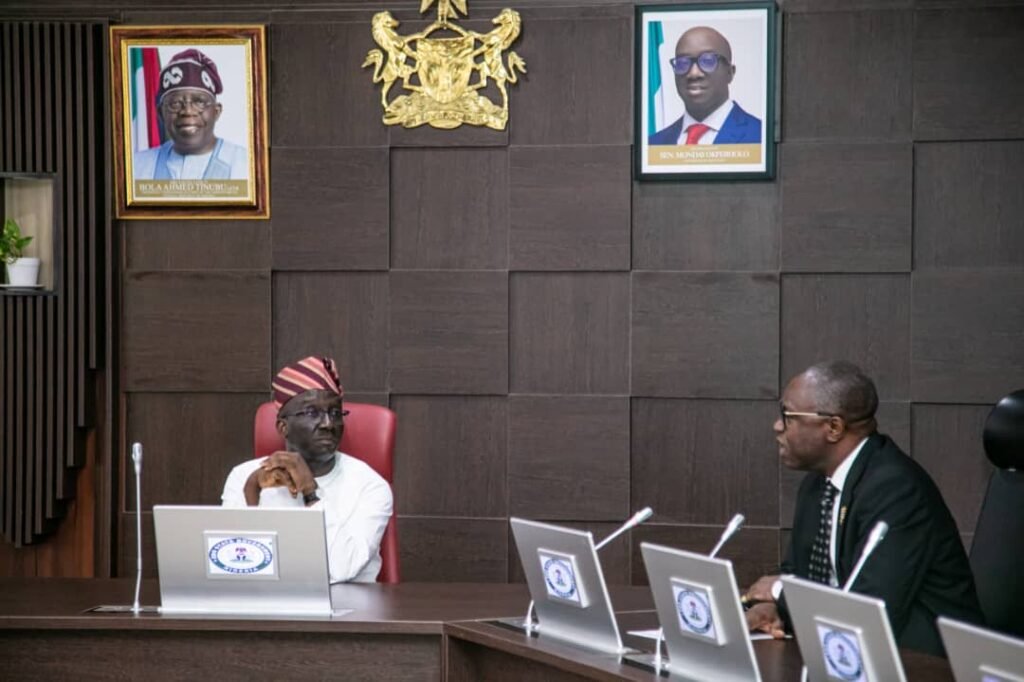
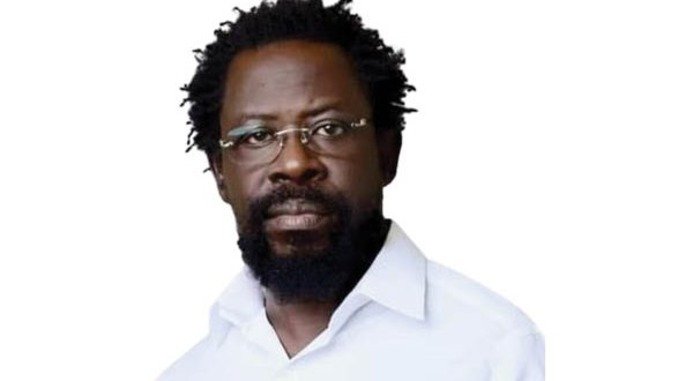
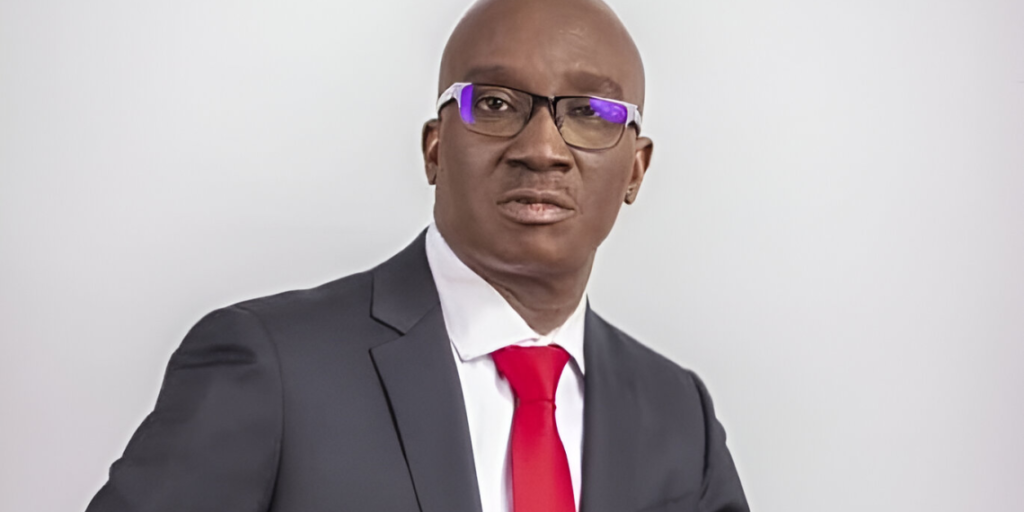
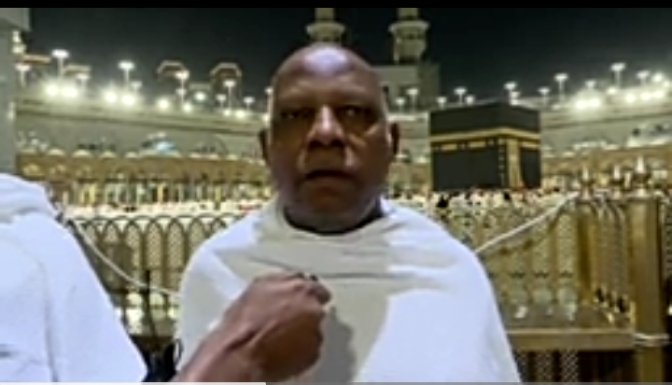
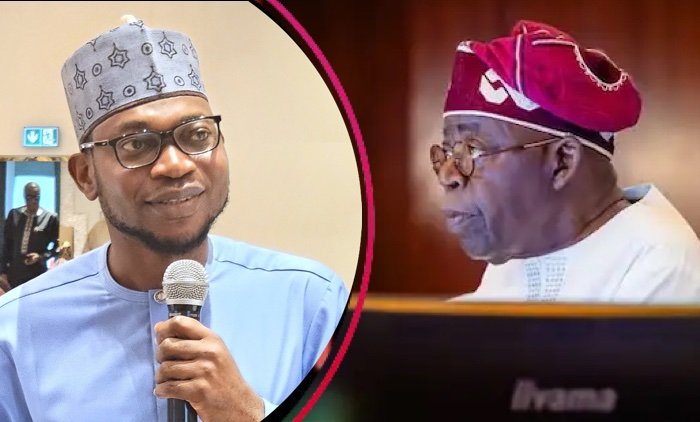
President Bola Ahmed Tinubu has approved the reconstitution of the Board of the Nigerian Electricity Regulatory Commission following the Senate’s confirmation of its members on December 16. Special Adviser to the President on Information & Strategy, Bayo Onanuga, disclosed this in a statement. In the statement, Bayo Onanuga detailed the newly constituted board. Dr. Mulisiu Olalekan Oseni, who started as a Commissioner in 2017 and later served as Vice Chairman, is now the Chairman effective December 1, 2025, and will serve until completing his ten-year tenure. Dr. Yusuf Ali, first appointed a Commissioner in 2022, is the new Vice Chairman from the same date. Commissioners include Mr. Nathan Rogers Shatti and Mr. Dafe Akpeneye, both serving second terms after first appointments in 2017; Aisha Mahmud Kanti Bello, serving a second term since 2020; Dr. Chidi Ike, serving a first term since 2022; and Dr. Fouad Animashaun, a new Commissioner effective December 2025, noted as an energy economist with recent experience leading the Lagos State Electricity Regulatory Commission. Onanuga stated that President Tinubu has charged the board members to deepen and consolidate the ongoing transformation of Nigeria’s power sector, in strict alignment with the letter and spirit of the Electricity Act, 2023. The statement from Onanuga was dated December 18, 2025.